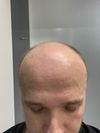
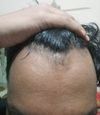
GHK-Cu is being discussed as a potential treatment for male pattern baldness. Users are sharing experiences and asking about its effectiveness and side effects.
Mixing ketoconazole 2% shampoo with coal tar and salicylic acid for seborrheic dermatitis is discussed, with users sharing experiences and alternative treatments like sulfur soap and scalp massage. Some users report success with these methods, emphasizing the importance of avoiding irritants and maintaining scalp health.
The user has been using topical minoxidil with tretinoin for 9 months without much regrowth and suspects finasteride is responsible for any improvement. They are inquiring about tests to determine response to topical minoxidil and seeking advice on switching to oral minoxidil, including potential side effects and monitoring requirements.
If you stop taking finasteride after 10 years, hair loss will resume at the rate it would have without treatment. Minoxidil cessation can cause immediate and significant shedding.
The user experienced genital itching while using finasteride and noticed a yellow bump, which improved with clotrimazole, but the itching persists. The discussion focuses on side effects of finasteride.
A 16-year-old female experiencing severe hair loss and sebum buildup, likely due to telogen effluvium and PCOS, is currently using vitamin D3 supplements, Redenser serum, and T follihair supplements. Recommendations include addressing PCOS first and consulting a doctor.
A user was prescribed ketoconazole shampoo by their dermatologist for early-stage hair loss, but is unsure if this is the right treatment. Most commenters suggest seeking a second opinion or starting finasteride treatment immediately, while a few caution about potential side effects.
User experienced hair kinking after starting minoxidil, despite being on finasteride for two years. Another user confirmed similar issues and suggested switching brands due to propylene glycol in minoxidil.
The conversation discusses alternatives for hair loss treatment for someone allergic to finasteride, suggesting options like hair systems, topical anti-androgens such as CB-03-01, RU58841, and kx-826. It highlights the challenges faced by individuals allergic to anti-androgen inhibitors and the need for more information on this topic.
A user experienced hair loss and thinning after starting a high-dose vitamin B complex. They are seeking advice on whether others have had similar experiences.
A 27-year-old male with ADHD is experiencing hair thinning and is starting a treatment with topical finasteride (0.025%) and minoxidil (5%). He is addressing high prolactin levels and low vitamin D, while managing side effects from ADHD medication.
A user started using RU58841 for hair loss and experienced anxiety and physical discomfort. Other users suggested avoiding the treatment due to similar side effects and recommended alternative treatments like pyri.
Using 2% ketoconazole daily can dry out the scalp; 1-2 times a week is recommended. Combining ketoconazole with treatments like minoxidil, alfatradiol, and fluridil can help manage hair loss effectively.
The conversation discusses various treatments for hair loss, including finasteride, minoxidil, dutasteride, microneedling, and checking for nutrient deficiencies. Some users suggest adding hydrocortisone butyrate, low-dose progesterone, or tretinoin to treatment regimens, while others recommend cosmetic solutions like Toppik hair fibers or shaving the head.
A 7-month progress report of using finasteride and minoxidil, as well as keto dieting and derma stamping; the discussion also touched on RU58841 and its potential side effects.
A person with hair loss since COVID-19 is considering treatments like finasteride and minoxidil but is hesitant due to potential side effects. Suggestions include visiting a dermatologist, using a ketoconazole shampoo, and considering that post-COVID hair loss might be an autoimmune response.
The user feels insecure about hair loss and is seeking affordable solutions, as hair transplants are too expensive. They are looking for advice on treatments like Minoxidil, finasteride, or RU58841.
A teenager experiencing hair loss is using minoxidil, a derma roller, and plans to add ketoconazole shampoo to their routine. They are advised to continue this regimen consistently for at least six months to see results, with the shedding being a normal part of the process.
BionicBell discussed using Bimatoprost, a medication typically for eyelash growth, for hair loss and mentioned a compounding pharmacy that can mix it with other ingredients like minoxidil and finasteride. They are seeking advice on using topical finasteride for female pattern baldness and are considering a custom foam combination to maximize hair growth results.
The user experienced significant hair regrowth using finasteride and minoxidil, leading to doubts about proceeding with a planned hair transplant. Many suggest postponing the transplant to save grafts for future needs, as the current results are impressive.
A user with seborrheic dermatitis uses Ketoconazole 2% and Betamethasone and is considering starting Minoxidil for thinning hair. They are concerned about using Minoxidil and Betamethasone simultaneously.
Hair loss from seborrheic dermatitis can be temporary. Treatments discussed include Minoxidil, finasteride, and RU58841, along with collagen and biotin supplements.
Vitamin E and K deficiencies due to exocrine pancreatic insufficiency may affect hair growth. A scalp biopsy is recommended to check for autoimmune-related hair loss.
A user experienced heart palpitations and breathing issues while using oral finasteride and minoxidil for hair loss and plans to switch to generic finasteride and topical minoxidil. They also use Nizoral shampoo and are considering a moisturizing shampoo due to dryness and itchiness.
An 18-year-old is using a high-dose treatment for hair loss, including 2.5 mg dutasteride, topical minoxidil, and injectable GHK-Cu, despite minimal hair loss. Many users suggest reducing the dutasteride dose due to potential side effects and recommend starting with finasteride instead.
A 42-year-old male shared his 1.5-year hair regrowth progress using 1.25mg finasteride daily and regular doses of minoxidil twice a day, and recently started using the Derminator 2. He also mentioned his battle with cancer and Cushing's syndrome, which affected his weight and hair.
Oral minoxidil can cause side effects like heart issues, increased body hair, and facial puffiness, but these are often dose-dependent and temporary. Users report varying experiences, with some combining it with finasteride or RU58841 for better results, while others experience minimal or no side effects.
User shared progress pictures of hair regrowth on the crown/vertex after a transplant and using finasteride, Minoxidil foam, and a dermapen. They hope to fully regrow or increase density in the crown area.
A user is experiencing facial bloating from low-dose topical finasteride due to high estradiol levels and is seeking advice on using DIM to manage this issue, including dosage and brand recommendations.