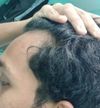
Topical minoxidil can cause increased body hair due to systemic absorption, varying by individual skin sensitivity. The user seeks experiences and solutions to prevent this side effect.
RU58841 cured seborrheic dermatitis, oily scalp, dandruff, and scalp pain, improving hair health when combined with Minoxidil. Another user noted diet impacts their seborrheic dermatitis and that finasteride hasn't changed their condition.
User had minor hair transplant in 2020, used Fin since 2008, Min since 2014, and added microneedling in 2022. Routine was irregular with no severe effects.
A 28-year-old male on TRT with a family history of MPB reports that consuming 1-2 tbsp of virgin coconut oil daily reduces hair loss and improves hair condition. Stopping the oil leads to increased hair fall and dryness.
User experienced side effects from topical finasteride, including penile pain and reduced sexual satisfaction, and is unsure whether to resume or avoid the treatment. They are seeking advice on whether tapering off the drug might help.
A female user is experiencing severe hair loss, especially at the crown and front, with broken and dull hair despite using Moroccan oil, shea moisture shampoo, and coconut oil. She seeks recommendations for a clinic or doctor as previous doctors attributed the issue to stress but offered no solutions.
Stress can lead to hair loss by affecting hair-follicle stem cells, and this loss is harder to recover from if one has male pattern baldness (MPB). Treatments like finasteride and minoxidil are used to address hair loss, but stress-related hair loss differs from androgenic alopecia.
The conversation discusses the potential link between gut health and hair loss, with personal experiences of hair thinning and stomach issues shared. Some individuals found no success with common hair loss treatments like Minoxidil and Finasteride and are exploring the impact of gut health on hair growth.
Sodium Laureth Sulfate (SLS) in shampoos and its potential impact on thinning hair. The user follows a regimen of shampoo, keto shampoo, and conditioner, seeking suggestions for better products.
Finasteride is unlikely to cause a drop in testosterone; it typically increases it by preventing conversion to DHT. The testosterone level drop is likely due to timing of injections or other factors, not finasteride.
The user has seen good progress in hair density after almost 10 months using 0.6 mg oral minoxidil, 1.25 mg oral finasteride every other day, and topical minoxidil twice daily, along with weekly derma stamping. They experienced side effects with higher doses of minoxidil and encourage others to try these treatments.
High-dose Lysine and Histidine supplements caused curly/kinky hair and shedding due to Elastin dysfunction. Minoxidil, white tea, and dark grape juice were mentioned as treatments to inhibit Elastase and mimic Lysyl Oxidase.
Hair loss is causing distress and self-esteem issues, with discussions on treatments like finasteride, minoxidil, and hair transplants. Some suggest topical treatments or lifestyle changes, while others stress the importance of confidence and self-acceptance.
A 21-year-old male experienced significant hair regrowth and thickening after eight months of using 2.5 mg oral minoxidil and 1 mg oral finasteride, along with keto shampoo and micro stamping. He reported no side effects and noted that improvements were most noticeable in months 7-8, particularly at the hairline and corners.
The conversation discusses unconventional methods for hair regrowth, including scalp trauma like burning or microneedling, and compares them to treatments like Minoxidil and Finasteride. It highlights skepticism about these methods and the body's unpredictable healing responses.
A 23-year-old male is experiencing rapid hair thinning and receding hairline, feeling emotionally drained. He has tried GFC, PRP, ketoconazole shampoo, and supplements without improvement and is considering minoxidil, finasteride, and possibly a hair transplant.
The user started using finasteride and topical minoxidil in September 2023, later adding a Theradome laser helmet, which helped reduce hair shedding significantly. The user reports improved hair coverage and stability, attributing most progress to the medications rather than the helmet.
A 40-year-old user shared their experience using finasteride and minoxidil for hair regrowth over a year, noting initial sexual side effects that improved after reducing the finasteride dosage. They also experienced scalp irritation from Rogaine, leading to reduced usage, and expressed satisfaction with the hair regrowth despite ongoing challenges.
Dutasteride is more effective than finasteride for hair loss, especially at the crown and midscalp, but both have similar side-effect profiles with low incidence of sexual adverse events. Improvement is measured visually, and significant results may take over 12 months to appear.
Stem cell treatments for hair restoration can be effective, but results vary and depend on factors like the type of stem cells used and timing of treatment. PRP and exosomes have shown some success, while costs and effectiveness differ by location, with South Korea and Turkey offering more affordable options.
The user shared their 10-year hair loss journey, discussing treatments like oral minoxidil, oral finasteride, and LLLT, and ultimately deciding on a hair transplant. They also explored the possibility of having alopecia areata incognita and advised seeking multiple opinions before surgery.
Minoxidil is causing hair growth in unexpected areas like the forehead, eyebrows, and body, rather than the scalp. Users discuss the effects of both topical and oral minoxidil, with some also using finasteride and experiencing varied results.
Minoxidil's effectiveness varies due to genetic differences in the SULT1A1 enzyme, affecting how well it converts to its active form, minoxidil sulfate. Hyper-responders may experience rapid hair growth and increased side effects, such as pericardial effusion, even at low doses.
Lifestyle changes may not significantly impact hair loss, as factors like DHT and genetics play a larger role. Some users suggest treatments like finasteride, dutasteride, and microneedling for hair growth.
The conversation discusses skepticism about the effectiveness of scalp tension theory and scalp massagers for hair regrowth, contrasting it with treatments like finasteride and minoxidil, which have more user-reported results. Participants question the belief in scalp tension theory, suggesting it may be a marketing tactic, while others argue for a multifactorial approach to hair loss.
Some users experienced side effects like low libido and erectile dysfunction with finasteride but found relief and hair regrowth with dutasteride. Others reported no issues with either drug, while some preferred dutasteride for long-term hair maintenance.
The conversation discusses the use of TRT, dutasteride, minoxidil, and potentially RU58841 for hair loss. Concerns about the risk of developing Cutis verticis gyrata with minoxidil and TRT are raised.
The user is experiencing hair loss despite using 1 mg finasteride, 2.5 mg minoxidil, a multivitamin, and a topical finasteride-minoxidil solution. Suggestions include increasing minoxidil dosage, addressing vitamin deficiencies, especially Vitamin D, and considering lifestyle changes like diet and exercise.
The conversation discusses the potential impact of creatine on hair loss, with some users sharing personal experiences of increased shedding while others argue there's no scientific evidence linking creatine to hair loss. The original poster switched from finasteride to dutasteride and is considering resuming creatine after monitoring its effects on hair loss.
Nicotine use, especially from vaping, may worsen hair shedding and reduce the effectiveness of finasteride and dutasteride. Quitting nicotine seems to improve hair health.