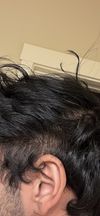
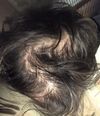
The reduction in scalp oiliness is likely due to finasteride reducing DHT levels and the use of ketoconazole shampoo. The combination of these treatments may have decreased sebum production.
The conversation is about a new acne treatment cream called Clascoterone Cream 1%, which is the first new mechanism of action for acne in nearly 40 years. One person joked about hoping their face will be as clean as their bald head after using the cream.
The user experienced hair thinning with dandruff and itchiness but not complete baldness, and found relief using dermarolling and castor oil. They did not use minoxidil or finasteride and discussed the potential impact of lifestyle choices on hair loss.
The conversation discusses hair loss and bloodwork results, focusing on zinc, vitamin D, and ferritin levels. The user is experiencing telogen effluvium after surgery and seeks advice on supplementation.
Tocotrienols are being discussed as a potential treatment for hair regrowth, but users report no noticeable effects after several months of use. Some users are combining tocotrienols with other treatments like pumpkin seed oil and peppermint and rosemary oil.
OP injured their temple using derma rolling and tretinoin, causing peeling and potential hair follicle damage. Users suggest the injury might be permanent, possibly resulting in scar tissue where hair won't grow.
The user has been using finasteride 1.2mg daily, topical minoxidil 1ml daily, tretinoin with topical minoxidil 1ml every other day, and a 1.5mm derma roller every two weeks for 8 months to treat hair loss. The user has posted progress pictures over time.
The user successfully managed hair regrowth by using a combination of finasteride, dutasteride, minoxidil, and specific shampoos to treat seborrheic dermatitis. They emphasize the importance of maintaining a healthy scalp and are considering food intolerance tests to further address inflammation.
Excessive scalp sebum, worsened by DHT, can lead to inflammation and hair loss, with clascoterone mentioned as a treatment. Diet changes seem ineffective for scalp sebum, and treatments like minoxidil and finasteride are suggested.
The conversation is about finding a solution for scalp inflammation related to AGA, with the user expressing frustration that Minoxidil and Finasteride do not address inflammation. The user has researched glucocorticoids and topical NSAIDs for reducing inflammation and seeks advice from specialists.
The conversation discusses creating a DIY topical finasteride solution for someone allergic to propylene glycol, with suggestions to use glycerin or a glycerol-based vehicle instead. The user also mentions using foam minoxidil.
The user is considering using Tacrolimus Solution and topical Dutasteride to avoid shedding caused by Minoxidil, which they fear may lead to facial side effects. They are also concerned about scalp sensitivity and are exploring different treatment bases to manage seborrheic dermatitis.
The conversation discusses a user's unconventional hair loss treatment involving scalp massage, dermastamping, and pouring hot water to induce a burning sensation, with a warning not to try it without further evidence. Other users suggest more traditional treatments like Minoxidil and finasteride, while expressing skepticism and concern about the hot water method.
Biotin can cause cystic acne for some users, and it's advised to stop using it if this occurs. For hair loss, finasteride and dutasteride are recommended, but a dermatologist should be consulted.
The user started using 5% liquid minoxidil on their scalp and noticed increased facial dryness and faster facial hair growth. They plan to reduce the application to once a day to see if it helps with the dryness.
The user discusses the potential impact of external DHT in sebum on hair loss and plans to wash their hair daily with salicylic acid exfoliation. They believe this might help reduce hair loss despite internal factors.
The conversation discusses alternative hair loss treatments beyond the commonly used Minoxidil and Finasteride. One user is trying diclofenac gel, caffeine + antioxidant serum, finasteride, ketoconazole shampoo, and has stopped using Minoxidil due to ineffectiveness, while another user has adopted lifestyle changes like exercise, diet, stress reduction, and topical caffeine, along with scalp massages and microneedling.
The user reports that using topical Dutasteride has stopped their hair loss, and they are curious about potential side effects and regrowth. They also mention having scalp psoriasis and past SSRI use affecting libido.
Using tretinoin with minoxidil can cause burning and flaky skin due to alcohol in minoxidil and tretinoin's effects. Solutions include using minoxidil foam, starting with low tretinoin doses, moisturizing, and gradually increasing usage.
A user stopped using finasteride and switched to a mix of essential oils in jojoba oil to treat hair loss, which reduced itching and hair shedding significantly. They shared their experience, noting that dermatologists were not helpful.
Piroctone olamine is more effective than ketoconazole for increasing hair growth and reducing itching and dandruff. Treatments discussed include Minoxidil, finasteride, and RU58841.
The conversation discusses the effectiveness and systemic absorption of Topilutamide/Fluridil/Eucapil and topical Dutasteride for hair loss. Users are sharing their experiences and seeking success stories with these treatments.
The conversation discusses changes in scalp texture and appearance in areas of hair loss, with concerns about the suitability of these areas for hair transplants. Users mention issues like fibrosis, inflammation, and thinner skin, advising caution and consultation with clinics before proceeding with transplants.
The user shared progress pictures after using topical finasteride, minoxidil, and tretinoin for about 9 months, along with weekly microneedling, cold showers, and a diet free of processed foods. They reported no side effects.
The user is experiencing an allergic reaction to propylene glycol in Kirkland minoxidil and is considering switching to a foam version or a low-PG minoxidil solution. They are also contemplating oral minoxidil but are concerned about its long-term safety.
A 25-year-old male using Dutasteride, oral Minoxidil, and Ketoconazole shampoo is experiencing increased hair shedding and vellus hair growth along the hairline. Concerns are raised about whether this is a seasonal shed or a potential setback.
A user shares a routine using Nizoral 2% shampoo twice a week, followed by Ego QV Nourishing Shampoo and Conditioner, and Schwarzkopf Extra Care Hair Treatment Oil to prevent dryness and maintain healthy hair texture. Others discuss similar experiences with ketoconazole, noting improvements in dryness and reduced hair shedding.
The user is currently using oral finasteride for hair loss and considering adding Eucapil, dutasteride mesotherapy, and microneedling to their treatment regimen. They are seeking alternatives to minoxidil, such as Stemoxydine, due to concerns about minoxidil's side effects.