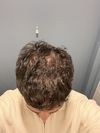
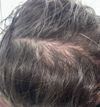
Minoxidil, finasteride, and dutasteride are effective for hair loss. Alternative treatments like oils and supplements are less effective and more costly.
A user shared their haircare routine for hair loss, which includes washing with Nizoral, using Minoxidil and Finasteride, and seeking advice for better results. Other users discussed their own routines, including the use of vitamins, red light therapy, and varying dosages of Finasteride, with some expressing concerns about the harshness of Nizoral and the potential side effects of treatments.
Veradermics' new hair loss treatment, VDPHL01, is likely a modified release oral minoxidil, which has received $75 million in funding for clinical trials. Despite skepticism about investing in a known treatment, some believe it could offer improved efficacy and reduced side effects.
The conversation is about using Biolabshop's RU58841 product, which includes GHK-Cu and melatonin, to improve hair quality and combat hair loss. The user has previously used finasteride, minoxidil, and Anageninc’s RU58841 with success and seeks feedback on the new product, especially from those on anabolic steroids or hormone treatments.
A 28-year-old has been using finasteride for five years, which stopped further hair loss but did not regrow the hairline. Recently, they started oral minoxidil to potentially improve results.
Creatine use with finasteride has mixed effects on hair, with some experiencing shedding and others noticing no impact. Many attribute concerns to individual sensitivity or unrelated factors.
A user switched from finasteride to dutasteride after 6.5 years due to hair thinning and may add oral minoxidil if needed. They are worried about shedding and side effects but hope for better hair density with dutasteride.
The user has tried various hair loss treatments including topical minoxidil, oral finasteride, oral dutasteride, oral minoxidil, and exosome therapy, but none have been effective. They suspect trichodynia might be preventing these treatments from working.
A 17-year-old with thinning hair is considering using Revalid, a supplement with ingredients like biotin and zinc, based on parental recommendations. Another user suggests that supplements could help since the hair thinning doesn't seem to be androgenic alopecia.
A user is experiencing genetic hair loss and is using spironolactone and minoxidil without success. They are considering switching to vegan protein powder due to digestive issues and are concerned if it will worsen hair loss.
A user is concerned about hair loss from creatine and asks for precautions, mentioning treatments like Minoxidil, finasteride, and ketoconazole shampoo. Replies vary, with some users sharing personal experiences and others dismissing the concern.
A user is considering making a 2% clascoterone lotion from powder due to unavailability in their location. They plan to mix clascoterone powder with retinol lotion and use literature to determine the correct dosage.
The conversation is about using adenosine, finasteride, and minoxidil for hair loss treatment. The user ordered a 0.75% adenosine solution and is currently using finasteride 1mg and minoxidil 5%.
User shared a 1-year update on finasteride, noting thicker hair but mild side effects like reduced libido and mild ED. Considering reducing the dose from 1mg to 0.5mg daily to alleviate side effects.
A user inquires about the effectiveness of using more than the standard 0.5mg dose of Dutasteride for hair loss, mentioning studies suggest 2.5mg is more effective. Another user shares their experience of taking 1mg without noticing a difference, despite studies indicating 2.5mg may be better.
A user shared a 15-year experience using minoxidil and finasteride for hair loss, stating that despite never missing a dose, their hairline continued to recede slowly. Other users suggested that the hair loss might be exacerbated by the use of steroids and recommended considering other treatments like dutasteride and RU58841.
A user reported positive results after 80 days of using finasteride 1mg daily, along with vitamin D3 supplements. They noticed thicker hair and new baby hairs, and are considering adding minoxidil in the future.
The conversation discusses whether creatine causes hair loss for those using finasteride or dutasteride, with some suggesting creatine might increase DHT or upregulate androgen receptors, potentially leading to hair loss. Others argue the evidence is not conclusive, citing limited studies and personal anecdotes, with some avoiding creatine as a precaution.
Finasteride can reduce DHT levels by about 60%, but its effectiveness varies, and some users experience side effects like cognitive issues. Combining finasteride with other treatments like dutasteride or minoxidil may enhance hair regrowth, but individual responses differ.
The conversation discusses hair loss progress over 9 months using Dutasteride and oral Minoxidil (2.5mg). Specific treatments mentioned are Dutasteride and oral Minoxidil.
A woman has been struggling with hair loss for over 12 years and is frustrated with doctors refusing to prescribe finasteride due to potential birth defects and unproven breast cancer risk. She's considering self-treatment or permanent birth control, after being offered only minoxidil, PRP therapy, and weaker natural supplements like Saw Palmetto.
The user "Bishiop" shared a comparison of their hair progress over 9 months using oral finasteride, topical minoxidil, and microneedling. Other users commented on the results and shared their experiences with hair loss treatments.
A hair loss regimen that includes oral dutasteride and topical minoxidil, as well as occasional dermapen treatments; the user inquires about when they noticed most regrowth.
Treatments for hair loss, with the user considering Pyrilutamide and RU58841 as options. It is noted that although Pyrilutamide has been studied more and is allegedly more effective, there are doubts about its authenticity in the market. KX-826 is suggested as an alternative as it has a stronger effect than RU58841 and there is scientific research on it.
The ineffectiveness of Strut Health's dutasteride capsules, which are filled with raw powder instead of liquid and don't contain any buffering agents that would allow for absorption into the bloodstream. It is suggested to use other brands of liquid-filled dutasteride capsules for better results.
The user has been using finasteride, minoxidil, dermaneedling, and keto shampoo with great results. They seek a propylene glycol-free, volume-boosting shampoo for thin and fine hair.
Dutasteride can lead to increased cholesterol and liver fat. The user is reconsidering its use due to high cholesterol and lipid levels despite a healthy lifestyle.
The conversation discusses the potential of creating a homemade sulforaphane topical for hair loss treatment. Participants mention challenges with sulforaphane stability and reference other treatments like Minoxidil.