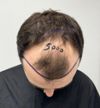
A user shared their experience with a Long Hair DHI Hair Transplant, receiving 2,750 grafts. They plan to continue using Dutasteride and Topical Minoxidil post-surgery.
Microneedling may risk scarring, potentially complicating future hair transplants. Alternatives like tretinoin with minoxidil are suggested for better hair growth.
A user shared their 5-month hair transplant progress, having undergone a procedure with 4100 grafts at MedBlue in Istanbul for $3,600. They started taking oral minoxidil and finasteride daily after the transplant and use topical minoxidil with microneedling every two weeks, reporting positive results and no unwanted hair growth.
The user successfully regrew hair using Finasteride, Minoxidil, and microneedling, achieving thicker hair and a fuller hairline. They recommend this method over hair transplants, highlighting the importance of patience and consistency.
Minoxidil and finasteride can help regrow hair, especially in thinning areas, but restoring completely receded temples is challenging and may require a hair transplant. Some users report success with these treatments, particularly when combined with microneedling.
The user had a hair transplant with Estenove, rating the overall experience 6/10 due to logistical issues, unmet expectations, and dissatisfaction with the results. They advise against pricier packages and express regret over the asymmetrical hairline, despite good customer service and post-op care.
The conversation humorously discusses hair loss and its treatments, specifically mentioning Minoxidil, finasteride, and RU58841. It highlights a transformation from hairline recession to significant hair regrowth.
A 27-year-old shared progress 6 months after a hair transplant of 4500 grafts, using finasteride and minoxidil. The procedure was done at Vera Clinic in Istanbul, costing 3000 Euros, and the user is pleased with the results.
After 8 months of using topical finasteride, hair miniaturization continues, raising concerns about its effectiveness. Microneedling is suggested as a possible complementary treatment.
The user experienced hair loss due to a crash diet and later developed scarring hair loss. They are now on finasteride, oral minoxidil, LDN, Zyrtec, and Oztela to reduce scalp inflammation and promote hair regrowth.
Hair cloning and new treatments like ET-02, Veradermics (vdphl01), and wound-induced hair neogenesis show promise but are not yet widely available. Current effective treatments include minoxidil, finasteride, and dutasteride, with early intervention being crucial for better outcomes.
A new topical medication, Clascoterone, shows promise for hair loss, improving hair count significantly. Trials for Breezula are ending, but sign-ups for PP405 trials are available for 2026.
A 35-year-old shared a 2-month update on their hair transplant of 3153 grafts, noting redness, itching, and some pimples, while using finasteride for over 12 years to maintain hair. Users discussed the effectiveness and timing of starting finasteride, with some suggesting consulting a doctor for young individuals considering the treatment.
A user shared progress pictures 12 months after a hair transplant and daily use of dutasteride. The conversation discusses the quality of comparison photos and the use of hair fibers.
The conversation discusses whether Harry Styles had a hair transplant, with opinions divided on whether he changed his hairstyle or underwent a procedure. It also touches on the use of medication and surgery as treatments for hair loss.
A user is participating in a phase 3 trial for Clascoterone, a topical acne medication that may stimulate hair growth, and will share results after 6 months. They will have a section of their hair shaved and marked with a tattoo for the study.
A 29-year-old is using liposomal topical finasteride/minoxidil and low-level light therapy (LLLT) to improve hair growth, showing significant progress in crown recovery. The user prefers liposomal topicals to avoid side effects from oral finasteride and uses the iRestore Essential device for LLLT.
The conversation is about a user's 3-month hair loss treatment using topical minoxidil, oral finasteride, a derma roller, ketoconazole shampoo, rosemary oil, and vitamin D supplements, alongside weight loss. Users discuss shedding, vitamin D benefits, and reducing sugar intake.
The conversation discusses using USB microscopes for scalp photos and provides a link to an overview of trichoscopy. Treatments mentioned include Minoxidil, finasteride, and RU58841.
Scalp tattoos can look good but often appear artificial, especially in sunlight or up close, and require regular maintenance. They may boost confidence if done well, but opinions vary on their effectiveness and natural appearance.
The user is trying a new hair loss treatment combining 1.25 mg oral minoxidil with a daily topical solution containing hydrocortisone, tretinoin, 8% minoxidil, and 0.025% finasteride. They aim to maintain their current hair before considering a hair transplant in Istanbul.
A 30-year-old shared their successful hair restoration journey using a combination of liposomal topical finasteride and minoxidil, vitamins, and a second hair transplant in Greece, resulting in life-changing improvements without side effects. The user emphasized the importance of proper research for hair transplant clinics and expressed gratitude for finding an effective treatment protocol.
The user reported slight improvement in hairline using 1% Clascoterone cream over three months but found it too costly to continue. They expressed interest in trying a 5% concentration if it becomes available at a reasonable price.
A user shared their hair restoration journey using oral and topical finasteride, experiencing side effects with the former. They later switched to microneedling, scalp massages, and vitamins (D3, Zinc, Biotin, B complex, Vitamin E) with mixed feedback on progress.
A user who got a hair transplant and gave their experience with it, including how the donor area recovered quickly and the potential risks of getting a hair transplant at a young age. Other users discussed bleaching and dyeing transplanted hair, as well as asking about the clinic where the procedure was done.
A user shared impressive progress at 4 months post-hair transplant with 5120 grafts by Dr. Ahmet Yildirim in Istanbul. The user expressed satisfaction with the results, which exceeded expectations.
A user shared their 3-month progress using oral finasteride, topical minoxidil, and dermarolling for hair loss. Other users commented on the impressive results and asked questions about the treatments.
Emerging hair loss treatments like PP405, a topical MPC inhibitor, show promise in activating stem cells for hair growth. The conversation seeks information on the development stages and accessibility of these treatments.
The user is considering hair transplant clinics Vera, Smile, and Pure Line, with concerns about clinic reputation and effectiveness. They are seeking firsthand experiences and advice, with some users recommending against Smile and favoring Pure Line for its personalized approach.