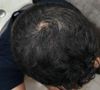
User experienced dizziness on 1.25 mg of finasteride, reduced to 0.75 mg and felt better. They also use zinc, B complex, green tea extract, derma roll with caster oil, and nizol shampoo.
User OmniStrife experienced amazing hair regrowth using 1/4 of a Finasteride pill daily for 6 months. Others discussed their results, availability of pills, and side effects.
A 23-year-old male started taking biotin and 1 mg of finasteride daily for hair loss. Others wished him luck and advised staying away from negative forum posts about finasteride.
The user is considering switching from pyrilutamide to 0.025% topical finasteride due to concerns about effectiveness and past side effects from a scalp elixir. They aim to maintain hair until new treatments like breezula or GT00029 become available.
The user is applying topical finasteride with stemoxydine for hair loss and has noticed hair thickening but no regrowth after two months. They also report high SHBG and prolactin levels and a lack of morning erections, even on low doses of medication.
The user plans to try finasteride again due to past side effects, considering a gradual increase starting at 0.25 mg every 5 days to reach 0.5 mg/day. They seek advice on a tapering schedule to minimize side effects.
A 23-year-old male taking 0.25 mg finasteride for 40 days noticed reduced hair shedding and improved hair texture but experienced watery semen, which might be temporary. Overejaculation and finasteride can cause this, and it usually resolves, but consulting a healthcare provider is advised if it persists.
The user used 0.5 mL of 0.5 mg of Pyrilutamide for 60 days for hair loss, but didn't notice any hair growth. They shared their hormone panel results and are seeking advice on next steps.
A 31-year-old experienced significant hair loss reduction using oral finasteride for 4 months, after trying various treatments like oils, shampoos, and saw palmetto. The user avoided minoxidil due to its inconvenience and potential side effects, finding finasteride alone effective for their needs.
Using topical finasteride 0.1%, minoxidil 5%, and melatonin for 7 months reduced hair loss significantly, with increased libido and decreased stress tolerance. The user applies the solution once daily, uses nizoral twice weekly, and takes vitamin D and ZMA supplements.
Women experienced severe reactions, including Topical Steroid Withdrawal (TSW), from using Winlevi (Clascoterone 1%) on their faces. Concerns were raised about the potential risks of higher concentrations, especially for hair loss treatment.
Finasteride reduces scalp DHT significantly even at low doses, with 0.2 mg reducing it by about 55%, but higher doses like 1 mg and 5 mg offer only marginally more reduction. Users discuss side effects, with some experiencing none and others reporting issues like low libido, and they also mention using other treatments like minoxidil and dutasteride.
User shared a 1-year update on finasteride, noting thicker hair but mild side effects like reduced libido and mild ED. Considering reducing the dose from 1mg to 0.5mg daily to alleviate side effects.
Bicalutamide and spironolactone are being compared for their effectiveness and safety in treating female pattern hair loss. The conversation seeks advice on which is better to use.
A 23-year-old male shares his positive progress using 0.5mg finasteride for hair loss, noting initial side effects like sore nipples that resolved after adjusting the dosage. Other users discuss their experiences with finasteride, including effects on libido and the trade-offs of using the medication.
The conversation is about hair loss treatments, specifically Pyrludimide (KX-826) and Breezula (clascoterone), with the user unable to tolerate finasteride and dutasteride. The user plans to use these treatments alongside minoxidil, considering the efficacy and availability of each option.
A 23-year-old is using 0.25mg Finasteride for hair loss and experiencing increased shedding after initial reduction. Advice given is to wait longer for results, as hair cycles take time to adjust, and consider increasing the dose if no improvement occurs in a few months.
27-year-old female experiences aggressive hair thinning and hirsutism despite normal testosterone levels. Spironolactone and 2% minoxidil were ineffective; high DHEA sulfate levels may be the cause.
The conversation discusses using Duodart (dutasteride + tamsulosin) for hair loss, with side effects like frequent urination and ejaculation issues leading to discontinuation. The user switched to German Avodart and experienced mood and erection side effects, considering adjusting the dosage to three times a week.
The user has been using oral finasteride and minoxidil for five months with some progress and plans to switch to dutasteride, while also considering a hair transplant for better coverage. Suggestions include adding microneedling, Nizoral shampoo, and possibly using both oral and topical treatments for improved results.
After over a year of treatment with daily oral dutasteride and minoxidil, plus injected dutasteride every 6 months, the user is happy with the increased thickness of their hair and improved self-esteem, although scalp visibility remains. They encourage others to follow similar treatments for long-term hair maintenance.
The conversation is about hair loss treatments, specifically discussing the use of minoxidil, finasteride, and dutasteride. The advice suggests continuing minoxidil and considering dutasteride or finasteride as DHT blockers, with a focus on managing potential shedding and side effects.
The group buy for CB-03-01, a topical anti-androgen for hair loss, was postponed and refunded due to issues with the product's form and solubility. The product, also known as Breezula, is an alternative to finasteride with fewer side effects, but its official release is delayed until 2021.
A 35-year-old man has used finasteride for 12 years and oral minoxidil at 5 mg for 2 years, achieving significant hair regrowth and density without side effects, avoiding a hair transplant. He recommends consistency with medication and highlights the effectiveness and affordability of oral minoxidil.
The user experienced significant hair loss due to health issues and started using finasteride 40 days ago. They cannot use minoxidil due to an allergy and are seeking advice on whether finasteride will help.
After gyno surgery, OP is considering restarting finasteride at a lower dose (0.25mg/0.5mg) or switching to topical to reduce the risk of gyno recurrence. Lower doses and topical application may lessen side effects due to reduced systemic absorption.
A 48-year-old male is seeking advice on hair loss treatments, having tried Rogaine, Dutasteride, and Finasteride, and is concerned about a Spironolactone prescription. He is advised to continue with Finasteride, consider combo pills for convenience, and re-evaluate the Spironolactone prescription as it is typically not for men.
The user plans to start 1 mg finasteride immediately and oral minoxidil two months later after a hair transplant, considering potential side effects and exposure risks. They seek advice on timing due to concerns about shedding before their wedding.
The user has been using dutasteride 0.5mg and oral minoxidil 2.5mg for 1.5 years and is concerned about hair loss despite visible improvement. Others suggest continuing the treatment, adding microneedling, PRP sessions, or consulting a doctor for further advice.
A user is using a Finoxidil topical spray and is curious if oral Finasteride would be more effective, considering they are already on a DHT blocker called Cyproterone. They are concerned about the potential impact of oral Finasteride on their transition.