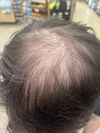
The user experienced a slight decrease in hair shedding and scalp itch, and reduced sebum production using Pyrilutamide, but stopped due to chest pain, breathing difficulties, and heart issues. They felt normal a week after discontinuing and doubted FDA approval for the drug.
A 23-year-old male is using finasteride (1mg daily), derma rolling, and Nizoral for hair loss treatment, experiencing increased shedding and side effects like anxiety, decreased libido, and fatigue. Despite no positive changes in hair after three months, he plans to continue finasteride and may consider RU58841 or CB as future treatments, avoiding minoxidil due to past negative experiences.
Finasteride and Dutasteride are under review in the EU due to concerns about side effects like depression, but they are unlikely to be banned. Access to these medications varies, with easier availability in the UK compared to some EU countries.
The conversation discusses a botanically derived treatment for androgenetic alopecia using ingredients like saw palmetto, green tea, and evening primrose, showing impressive results over 270 days. Concerns include the study's uncontrolled nature and potential product motivation, with suggestions to enhance absorption through derma rolling.
The user has been taking 0.25mg of oral finasteride daily for a month and is considering increasing the dose to 1/3 of a pill. They have also been using topical minoxidil for several years.
A user is considering Spironolactone for hair loss but is advised against it due to its effects on testosterone. Instead, they are recommended to try finasteride at 18 and consider dutasteride if needed.
The user plans to resume finasteride and minoxidil for hair loss but wants to reduce the finasteride dose to avoid side effects. They are considering taking 0.25 mg or 0.5 mg daily or spacing it out.
The user experienced significant hair regrowth using a single pill containing 2.5mg minoxidil and 1mg finasteride over 11 months, with noticeable improvements starting around month 8. They reported minor side effects initially but none ongoing, and they have not undergone a hair transplant.
A user is anxious about starting finasteride for hair loss despite believing in its effectiveness. Others suggest starting with a lower dose and emphasize the low risk of side effects.
The user is using spironolactone for AGA and is concerned about obtaining it in the U.S. without a prescription. They are seeking advice on how to get a prescription in the U.S. as an immigrant.
A 21-year-old male is experiencing hair loss and plans to see a dermatologist and take hair growth pills to prevent further balding and possibly aid facial hair growth. Another user suggests using minoxidil, which has shown results for them after four months.
The post discusses a hair loss treatment regimen including dermarolling, minoxidil, finasteride, biotin, Nizoral, castor oil, and a power laser comb. The user shares progress pictures to show the effectiveness of these treatments.
A user shared their hair regrowth progress using Dutasteride, topical Minoxidil, Spironolactone, and Estradiol Valerate injections as part of hormone replacement therapy for transitioning. They experienced significant hair improvement and personal satisfaction but caution against this approach for non-transitioning individuals due to irreversible changes.
The post discusses a user's successful hair regrowth using finasteride, dutasteride, topical minoxidil, and estrogen over nine months. The user, who is male-to-female (mtf), reports significant regrowth and no side effects beyond typical hormone replacement therapy effects.
The user is taking finasteride for hair loss and is considering adding Resveratrol and Bio-Quercetin supplements for general wellbeing. They are concerned about potential interactions affecting the effectiveness of finasteride.
A 19-year-old plans to start Dutasteride 0.5mg three times a week to combat genetic alopecia and preserve hair density, with concerns about potential shedding before prom. Users suggest starting the treatment after prom to avoid shedding, and provide advice on where to purchase the medication.
A 22-year-old male experienced significant hair regrowth and stopped shedding after using dutasteride and spironolactone for 3-4 months. Spironolactone is discussed as an antiandrogen, typically used for women or transitioning individuals, and not commonly recommended for men due to potential side effects.
Finasteride and minoxidil can be obtained cheaply through Mark Cuban's Cost Plus Drugs and Costco's Kirkland brand, respectively, costing about $7.53/month combined. Amazon's RXPass and virtual visits at Dr. B. offer additional savings.
The user has not seen results from various hair loss treatments including finasteride, dutasteride, minoxidil, and others over several years and is considering adding RU58841 and starting hormone replacement therapy. They are also experiencing anxiety and contemplating moving to a more accepting environment for their nonbinary identity.
The solution contains minoxidil, finasteride, azelaic acid, caffeine, retinoic acid, and procapil. Users suggest minoxidil with tretinoin and a 5-alpha reductase inhibitor, while dismissing retinoic and azelaic acids as unnecessary.
The conversation discusses a hair loss prevention regimen using a custom topical treatment with Dutasteride, Minoxidil, Latanoprost, Cetirizine, Tretinoin, Vitamin D3, and caffeine, along with supplements like iron, selenium, vitamin D, and vitamin B. The user advises against expensive treatments like LLLT caps and unnecessary natural supplements.
The user's consideration of taking finasteride as a short-term treatment, while awaiting advances in medical technology such as Pyrilutamide and GT20029; other users' experiences with Finasteride, including potential side effects.
A user's experience taking finasteride, which resulted in them having an unexpected emotional reaction, and the replies to this post focus on the humorous aspects of cautionary tales about hair loss treatments.
Fluridil, also known as Topilutamide or Eucapil, is discussed as a treatment for hair loss. It is noted as an androgen receptor antagonist, not a vasodilator.
A person transitioning is using 2mg sublingual estradiol and 2.5mg oral minoxidil daily for hair regrowth, noting significant progress in three months. They plan to increase estrogen dosage and consider adding dutasteride, discussing the effects and challenges of transitioning.
The conversation discusses using dutasteride, both topical and oral, for hair loss in trans men, considering potential side effects like depression and libido issues. The user is exploring options including topical solutions with minoxidil, retinoic acid, and hydrocortisone, and plans to start microneedling.
The conversation concludes that over-the-counter DHT blockers, like Saw Palmetto, are largely ineffective for hair loss. Finasteride and Minoxidil are recommended as more effective treatments.
Pyrilutamide, a new drug being tested to combat hair loss that has been found to perform comparably or better than finasteride and dutasteride in the initial 6 months of treatment with minimal reported side effects.