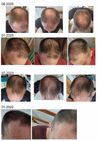
The conversation discusses a topical finasteride therapy with hydrocortisone butyrate, estrone base, and breviline. A user suggests oral finasteride as a superior option.
Herbal treatments like pumpkin seed oil, saw palmetto, and rosemary oil showed little to no effectiveness for hair loss, with some users experiencing negative effects. Regular treatments like finasteride and minoxidil are suggested to be more effective, while vigorous scalp massage and low-level laser therapy (LLLT) might offer some benefits.
A 48-year-old male has tried various hair loss treatments, including topical Minoxidil, Ketoconazole shampoo, a combination of topical Finasteride and Minoxidil, oral Finasteride, microneedling, and oral Dutasteride. He seeks advice on next steps after these treatments.
The conversation discusses hair loss treatments, specifically progesterone therapy with hydrocortisone butyrate, and the use of dutasteride and finasteride. Opinions vary on the effectiveness and side effects of these treatments, with some users advocating for acceptance of balding if treatments are not suitable.
The conversation criticizes the negative attitude towards those concerned about side effects from hair loss treatments like finasteride and minoxidil, or who prefer natural remedies. Specific treatments discussed include finasteride, minoxidil, rosemary oil, and RU58841, with an agreement that finasteride and minoxidil are proven effective.
The user is currently using Minoxidil foam and Dutasteride daily but still experiencing severe hair loss. They are considering adding topical Finasteride, Fluridil, Microneedling, and Tretinoin to their treatment despite the high cost and are seeking suggestions.
Finasteride, minoxidil, dermarolling, and topical antiandrogens are effective for hair regrowth. Future treatments may include CB0301 and hair cloning.
The conversation discusses various hair loss treatments, including minoxidil, finasteride, dutasteride, pyrilutamide, alfatrodial, and nizoral, with a focus on the potential of new treatments like gt20029 and breezula. There is optimism about novel treatments that don't have systemic effects, although skepticism remains about the effectiveness of some new drugs.
Evidence-based treatments for androgenic alopecia, such as minoxidil, finasteride, low-level laser light therapy, dutasteride, platelet-rich plasma, and topical ketoconazole. It discusses the efficacy, safety, and mechanism of action of these treatments, as well as future developments in understanding this polygenic condition.
The conversation discusses various hair loss treatments, including minoxidil, finasteride, dutasteride, RU58841, microneedling, ketoconazole shampoo, and laser therapy. Users emphasize the importance of consistency, patience, and individual response to treatments.
Some individuals experience side effects from 5AR inhibitors like finasteride and are considering hair transplants without these medications, with some opting for surgeons like Dr. Zarev. Others are exploring alternative treatments and waiting for new medications in development, while some discuss managing side effects through lifestyle changes or additional medications.
People are using various treatments for hair loss, including dutasteride, finasteride, minoxidil (both oral and topical), RU58841, and ketoconazole shampoo. Some also use additional methods like microneedling, vitamins, and oils, with mixed results and personal preferences influencing their choices.
A user shared a new hair loss treatment protocol including topical dutasteride, latanoprost, caffeine, minoxidil, tretinoin, and triamcinolone acetonide. Others discussed the effectiveness and availability of these treatments, with some suggesting simpler oral alternatives.
Dutasteride and high-dose Minoxidil are the primary treatments maintaining hair, with additional supplements and therapies like red light offering minimal extra benefit. The discussion criticizes promoting expensive hair care products when basic medications are doing most of the work.
OP seeks advice on alternative hair loss treatments like Redensyl, Capixyl, and Procapil, instead of lifelong Minoxidil and Finasteride. Users suggest hair transplants and discuss the potential future availability of better treatments.
User tried oral finasteride, topical finasteride, topical dutasteride, and RU58841 but experienced side effects. They discuss upcoming treatments like clascoterone, pyrilutamide, gt20029, and KY19382 as potential options.
Clascoterone is considered overhyped and not as effective as finasteride or dutasteride, but it may be useful as a supportive treatment in combination with other therapies. Users express skepticism about its effectiveness compared to clinical trials, with some suggesting it could be beneficial for those who cannot tolerate other treatments.
The user has DUPA and suspects autoimmune activity as a cause. They have tried various treatments including finasteride, minoxidil, dutasteride, pyrilutamide, estrogel, hydrocortisone, and clobetasol, and are now seeking a long-term immunosuppressant.
A 22-year-old male has been treating hair loss for over three years with various methods including minoxidil, finasteride, dutasteride, and other treatments, but continues to experience hair thinning. Despite trying multiple treatments and consulting with dermatologists and hair surgeons, the individual is frustrated with the ongoing hair loss and lack of progress.
A user who is using a combination of oral and topical treatments, including finasteride, minoxidil, pyrilutamide, dutasteride, microneedling, and ketoconazole shampoo in order to combat hair loss. Another user gave the original poster a word of warning about overusing the ketoconazole shampoo.
Exploring future hair loss treatments, including immunosuppressants for hair transplants and hair cloning, with a focus on leveraging research from other medical fields. Current treatments like finasteride and minoxidil are effective for most, but there's a call for more funding and innovation in the hair loss industry.
Various treatments for male pattern baldness including Minoxidil, Finasteride/Dutasteride, hair systems, and oral anti-androgens such as Spironolactone and Flutamide. It also mentions dermarolling as a possible treatment in conjunction with minoxidil.
The conversation is about optimism for new hair loss treatments like Stemson's bioengineering, osteopotin, SCUBE3, GT20029, and Verteprofin, and inquires about other notable treatments.
The conversation is about choosing effective hair loss treatments, specifically discussing RU58841, 5% minoxidil, copper peptides, microneedling, finasteride, dutasteride, and Tretinoin. The user seeks advice on the best topical treatments and prefers to use only 1-2 products.
Finasteride and minoxidil, often with ketoconazole, are key for long-term hair stabilization and regrowth. Oral minoxidil and dutasteride offer significant regrowth but have more side effects, while microneedling, ketoconazole shampoo, and RU58841 are used to enhance results.
The conversation discusses hair loss treatments, focusing on the use of Minoxidil, finasteride, and triamcinolone. Concerns are raised about high concentrations of Minoxidil and the long-term use of corticosteroids.
Hair loss treatments, including minoxidil, dermarolling, finasteride, dutasteride, hair transplants, hair systems, and shaving the head. The conversation covers various opinions on these treatments and mentions possible side effects as well as alternatives like wigs, vitamins, and lifestyle changes. The post expresses disappointment that there has been no major breakthrough in the field of hair loss treatments despite decades of research.
The conversation discusses hair loss treatments, specifically the effectiveness and legitimacy of low-level laser therapy (LLLT) devices under $200. The user has seen positive results with finasteride, minoxidil, ketoconazole, microneedling, and scalp massages, and seeks advice on affordable LLLT options.
The conversation discusses dissatisfaction with current hair loss treatments that mainly focus on DHT blockers like finasteride and dutasteride. Alternative treatments mentioned include RU58841, pyrilutamide, minoxidil, rosemary oil, and future possibilities like hair cloning.