The conversation discusses hair loss and bloodwork results, focusing on zinc, vitamin D, and ferritin levels. The user is experiencing telogen effluvium after surgery and seeks advice on supplementation.
Improving iron levels, particularly ferritin, can help with hairline recovery. The user experienced hairline improvement by increasing iron intake through diet changes, without relying on minoxidil.
Oral supplementation of Nicotinamide Mononucleotide (NMN) improves hair quality and appearance in middle-aged women. However, it may reduce total hair density, possibly due to seasonal shedding.
The user has been using 1mg finasteride and biotin-collagen supplements for 5 months, noticing some progress in hair regrowth. They also use various oils and shampoos, plan to start oral minoxidil, and seek advice on improving their hair care routine.
The user does not respond well to minoxidil and is seeking an alternative to Tretinoin to upregulate sulfurtransferase activity for hair loss treatment. No specific alternative treatments were mentioned.
A 26-year-old male with early hair thinning is using finasteride, topical minoxidil, and supplements for deficiencies in iron, B12, and vitamin D3. He is considering adding oral minoxidil to his treatment plan.
People are discussing the use of the peptide GHK-Cu for hair and skin, with mixed results. Some users have tried it alongside other treatments like adenosine and melatonin, but have not seen significant improvements, and one user stopped due to cost.
The user is experimenting with GHK-Cu and AHK-Cu to stop hair loss and promote hair growth, using a serum from Etsy and injectable GHK-Cu. They supplement this with dermastamping and ketoconazole shampoo.
A user is experiencing hair regrowth after treating vitamin D, B12, and B9 deficiencies, noticing some improvement after 9 months. They are unsure if further improvement will occur or if they have reached the end of progress, with a possibility of androgenetic alopecia (AGA) being suggested.
Minoxidil can cause dark circles and skin issues, and users suggest reducing dosage or switching to foam. Supplements like vitamin C, glycine, and MSM may help with collagen production to reduce these side effects.
A 24-year-old woman experiencing hair loss due to low ferritin and iron deficiency is advised to correct these deficiencies before considering minoxidil. Minoxidil is not recommended for temporary hair loss caused by iron deficiency.
Glycine supplementation may increase 5-alpha reductase activity, potentially affecting hair loss. Users discuss its impact on hair fall and its role in the body.
A user shared their experience with hair loss and recommended supplements like magnesium, vitamin D, vitamin C, zinc, iron, and protein, along with using a dermaroller. They noted benefits such as accelerated fat loss, muscle growth, better digestion, increased testosterone, and improved hair and skin quality.
A user reports significant hair density increase and new growth at the temples after two months of using finasteride, minoxidil, ketoconazole, dermarolling, MK-677, zinc, and vitamin D3, with shedding stopping a week ago. They recently added MK-677 to their regimen.
The conversation discusses the potential benefits of adding Vitamin B6 (P-5-P) to topical hair loss treatments like RU58841, finasteride, or minoxidil. The user suggests that Vitamin B6 might enhance these treatments by naturally lowering scalp prolactin.
The user has accepted their hair loss and uses finasteride and minoxidil, with past use of RU58841 and dutasteride. They seek advice on supplements to slow down graying hair.
A user reported that taking iron polymaltose significantly reduced their hair loss. They also mentioned hair loss due to DHT and asked if hair loss from iron deficiency is permanent or temporary.
Taking CoQ10 and fish oil supplements may lead to increased body hair growth and a crawling sensation on the scalp and skin. The user suspects these supplements could be linked to hair growth, possibly due to their effects on heart health and cholesterol management.
Taking curcumin, omega-3 fish oil, vitamin D, and theaflavin supplements significantly reduced hair fall. The user suggests others try these supplements and report their results.
Minoxidil regrowth may be slowed by low vitamin D and ferritin levels. The user is experiencing slow hair regrowth and is considering addressing these deficiencies.
Low ferritin levels can affect hair density, and increasing ferritin through iron supplements may help with regrowth. It's suggested to maintain ferritin levels between 70-100 ng/mL and check other micronutrients for optimal hair health.
The conversation discusses hair regrowth improvement due to zinc, biotin, and D3 supplements, highlighting that hair loss can result from deficiencies, not just androgenetic alopecia. The user emphasizes that treatments like finasteride are not the only solutions.
A user shared a 6-month update on using a daily tablet combining finasteride, minoxidil, biotin, and vitamins C, B5, and B6 to address hair thinning. They are pleased with the results, despite experiencing some facial hair regrowth as a side effect.
User experienced hair thinning due to high cortisol and thyroid issues, along with insulin resistance. They are taking magnesium, zinc, vitamin D, calcium, and selenium as supplements.
The conversation discusses using supplements like zinc, L-Arginine, and ginseng to counteract finasteride side effects like lower libido and lack of morning erections. Users share their experiences with finasteride, noting varied side effects and the use of additional supplements like ginkgo and fish oil.
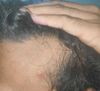
![[GHK-Cu+AHK-Cu experiment] Stopping hair loss and promoting hair growth](/images/assets/a2fe9e48-31eb-4e92-a763-614a7d32f7cd/small/20559.jpg)