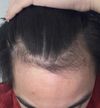
A 17-year-old is experiencing rapid hair loss from NW1.5 to NW3 in six months and feels dermatologists are unhelpful. They are using Minoxidil (Rogaine) and seeking advice on application.
There are no updates on GT20029, and concerns about its safety and effectiveness remain. The phase III trial has not started, and there are no new studies or data releases.
The user experienced significant hair regrowth using minoxidil 5%, finasteride 1.25mg, and nizoral 2% ketoconazole shampoo, with the best results appearing after two years. Consistency in treatment was emphasized, and the user plans to continue using minoxidil.
Hair loss treatments, specifically Pyrilutamide and Minoxidil/Finasteride/RU58841. Participants discussed their experiences with them and the results they have seen so far.
A user is quitting ketoconazole shampoo, believing it worsened their hair condition, and plans to use clarifying, keratin, and pH balanced moisturizing shampoos instead. Another user suggests using conditioner after ketoconazole to prevent dryness.
OP noticed fuller and thicker hair after almost 4 months of using GHK-Cu, a copper-binding peptide, through subcutaneous injections. Some users were skeptical, questioning the authenticity and potential commercial intent behind the post.
The conversation discusses concerns about brain fog potentially caused by finasteride use, with some users sharing personal experiences of cognitive issues and others suggesting it might be paranoia or unrelated. The original poster decides to stop using finasteride to see if their cognitive function improves.
After a second session of Platelet-Rich Plasma (PRP) treatment for hair regrowth, the user is experiencing increased shedding of thick and dark hairs and is concerned about whether this is temporary. They are seeking others' experiences with PRP, specifically regarding the duration of shedding and eventual positive outcomes.
A user shared their 9-month progress using Minoxidil, Finasteride, microneedling, and Nizoral shampoo for hair loss, expressing great satisfaction with the results. They use a Min/Fin topical spray nightly, Minoxidil in the morning, microneedle twice a week, and Nizoral shampoo twice a week.
A 25-year-old who started losing hair at 16 and reached almost NW7 by 20 saw hair regrowth using a regimen including dutasteride, minoxidil, nizoral, and a dermaroller, along with supplements like biotin, zinc, and omega-3. After initial success, they experienced shedding, added more supplements and treatments, and sought advice on whether to continue; responses encouraged them to persist as shedding is often part of the hair regrowth cycle.
The user has been using kx826 for 10 months and topical minoxidil for 2 years, reporting slow but undeniable progress in hair regrowth. They experienced side effects from finasteride and do not use it.
A potential non-invasive topical treatment targeting the WNT Signaling Pathway for hair regeneration is being researched, with positive results on human hair follicle cells. Current effective treatments for hair loss include Minoxidil, finasteride, and hair transplantation.
OP is exploring ways to stop or reverse greying hair, using NAC and considering PABA supplements. Some users suggest hair dye, black strap molasses, and copper as potential solutions.
Using vitamin C in shampoo to adjust pH levels can improve hair health and reduce oiliness and dandruff. The user mixed vitamin C powder with conditioner, achieving positive results.
Ketoconazole is no longer sold in the UK, and pharmacies have replaced it with non-ketoconazole options. Users are discussing its availability and possible alternatives.
The conversation is about using inositol for hair loss, particularly its potential benefits for men, given its success in women with PCOS. The discussion includes treatments like Minoxidil, finasteride, and RU58841.
A user from China is participating in a clinical trial for Pyrilutamid, a potential hair loss treatment originally developed for prostate cancer. They've experienced no side effects except initial scalp itchiness, and will share results after the year-long trial.
A user thanks the group for sharing experiences, leading them to start finasteride, dermarolling, and castor oil, while using Nizoral and LLLT. They plan to reintroduce minoxidil later.
The user experienced severe scalp itching after using RU58841 and ketoconazole shampoo, despite trying moisturizing treatments. They suspect the issue is related to the propylene glycol in the vehicle and are seeking alternatives.
Using Nizoral shampoo intermittently and reassessing scalp condition after each bottle, potentially adding in other tools to target seb derm, and alternating between Pura D'Or and Nizoral for a healthy and clean scalp.
The conversation discusses switching from oral to topical finasteride due to side effects like nipple soreness. The user seeks advice on diluting and applying topical finasteride to minimize adverse effects.
A 27 year old's 3-month progress with topical finasteride and minoxidil solution, combined with weekly Nizoral shampoo. Replies to the post discuss the user's results, which are considered impressive, as well as the regimen used.
The conversation is about a user sharing their positive experience with Scalp Micropigmentation (SMP) for hair loss, highlighting the natural look achieved by a specialized artist. The procedure cost $2600 and was done by Alex Corona in Panama City Beach, FL.
The conversation discusses alternative and unorthodox hair loss treatments, including RU58841, nandrolone, and dianabol, as well as theoretical approaches involving high doses of estrogen and selective estrogen receptor modulators. These methods are considered extreme and potentially harmful but are explored for those unable to tolerate traditional 5-alpha reductase inhibitors.
People discussed their intense hair loss treatments, including the use of dutasteride, RU58841, minoxidil, tretinoin, essential oils, microneedling, and various topical sprays. Some users reported success with these methods in preventing hair loss and stimulating hair growth.
User ItchyRaccoon experienced significant hair loss reduction using Eucapil after trying low-dose topical finasteride with no results. Some replies mention that shed hair counts are not reliable indicators of hair loss progression or regression.
A 27-year-old is experiencing hair thinning and receding, currently using finasteride and planning to start minoxidil. They seek advice on hairline treatment options, including styling, PRP, peptides, and micro-needling.
A user is seeking alternatives to finasteride for hair loss during a planned break for family planning reasons. They inquire about pyrilutamide, cosmern, and other potential future treatments.