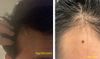
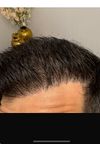
User hears aunt's comment on hair loss during Easter gathering. Others discuss handling rude comments and share experiences with hair loss treatments like Minoxidil and Finasteride.
User is using topical Minoxidil (100 mg/day) and Finasteride (1 mg/day) but experiencing hair growth everywhere except the top of the scalp. They seek advice on improving scalp hair regrowth.
A person decided to embrace baldness after struggling with hair loss despite trying treatments like Minoxidil. Many users complimented the new look, while some suggested trying finasteride or other methods to maintain hair.
Quercetin might help with hair loss by inhibiting HSP-70, which increases androgen receptors. Concerns include its staining properties and unclear topical absorption.
User got a hair transplant and it improved their life. Transplanted hair lasts, but medication like finasteride is needed to maintain non-transplanted hair.
A 20-year-old is experiencing aggressive hair loss and is using oral finasteride, topical minoxidil, tretinoin, rosemary oil, and dermarolling in an attempt to manage it. They are concerned about their appearance and future hair loss, seeking advice on additional treatments.
The conversation discusses scalp issues and hair loss, with treatments like Accutane, Nizoral, and H&S being used. Suggestions include considering finasteride, minoxidil, and jojoba oil, with caution advised for the latter.
The user shared their 4-year hair regrowth journey using finasteride, minoxidil, RU58841, microneedling, and Nizoral shampoo. They plan to adjust their RU58841 dosage and are considering a hair transplant if current methods don't yield desired results.
The conversation is about a person using oral minoxidil, biotin multivitamins, dutasteride lotion, a hair growth serum with redensyl, capixyl, and procapil, ketoconazole with zinc shampoo, and monthly PRP treatments with a derma roller for hair growth. Someone encouraged them to continue with their regimen.
The conversation revolves around the psychological impact of hair loss and various treatments. Participants discuss using Minoxidil (Min) and Finasteride (Fin), hair transplants, and therapy for mental health. Some also recommend immediate action at the first signs of hair loss and joining supportive communities.
A 36-year-old user shared their 12-month hair recovery journey using oral Propecia, topical minoxidil, a derma roller, ketoconazole shampoo, biotin, and omega-3. They reported seeing results by the second month, with some setbacks but overall progress.
A user, 42 M, NW 5-6, used oral Dutasteride, Minoxidil, RU58841 topical, micro needling, Nizoral shampoo, saw palmetto gummies, vitamin D gummies, and scalp massages for 2 months. They noticed many small light hairs on previously bald areas and are questioning if these will darken or remain vellus hairs.
The user has been experiencing hair loss for years, tried ketoconazole shampoo without success, and has been on finasteride for 3 months but is unsure if it's working. A reply suggests waiting 6-12 months to properly assess finasteride's effectiveness.
A 20-year-old female is experiencing hairline loss and seeks effective natural remedies or affordable drugstore treatments. She has tried flax seeds and aloe vera without success.
Transplanted hairs are thinning after switching from topical to oral minoxidil, with increased shedding and miniaturization. The user is considering reintroducing topical minoxidil and has started using ketoconazole shampoo.
A dental technician claims malocclusion causes pattern hair loss due to poor scalp circulation. Users debate this, noting treatments like finasteride, minoxidil, and microneedling focus on DHT and blood flow.
A user is experiencing temple hair recession and is seeking alternatives to finasteride. They are considering castor oil, coconut oil, and derma rolling, and have seen some improvement with Zenegen.
Ketoconazole is discussed as a treatment for hair loss, with mixed reviews on its effectiveness and side effects. Some users find it helpful for scalp conditions, while others report it makes hair feel dry and doesn't aid regrowth.
A user reported using oral Minoxidil 3mg, oral Finasteride 1mg, topical Minoxidil, dermarolling twice a week, and taking biotin and vitamin D daily for 10 weeks. They noticed small hairs growing at the hairline after 6 weeks.
The user experienced a receding hairline and tried minoxidil, which may have slowed the process but caused puffy eyes. They are hesitant to use finasteride and suspect oily dandruff might be an aggravator.
A user's 1 year update on hair loss treatments, including minoxidil, nizoral and derma rolling; with comments from other users praising the results of the treatments.
The user experienced hair repigmentation and attributes improvements in hair and overall health to a carnivore diet, Boron, and Selenium supplementation. They stopped using finasteride after 20 years, noticed increased testosterone and libido, and observed hair regrowth with RU58841.
The user is using a combination of hair loss treatments including finasteride, stemoxydine, oral minoxidil, RU58841, dermastamping, ketoconazole shampoo, collagen, Viviscal, and biotin, and has improved their diet. Despite these efforts, they are still experiencing hair shedding and scalp itchiness, and are considering increasing their minoxidil dosage or starting dutasteride.
Hair follicles don't truly die but become severely miniaturized. Treatments like finasteride, dutasteride, and minoxidil can help restore hair by providing nutrients and reducing harmful effects on hair roots.
A 30-year-old female shares her positive progress with hair regrowth using topical minoxidil and vitamins, after experiencing hair loss since her early 20s. She mentions using a product with a natural DHT blocker and emphasizes the importance of checking vitamin and iron levels.
Hair transplants can initially yield good results, but native hair is more reliable, and transplanted hair may still be lost over time. Early intervention with treatments like topical finasteride and minoxidil is recommended, but it's important to start with lower doses and manage expectations realistically.
The conversation is about the mental toll of hair loss and seeking alternatives to finasteride. Suggestions include using minoxidil, considering pumpkin seed oil, and possibly seeking counseling for body dysmorphic disorder.
A user shared their experience with hair loss, initially using finasteride and minoxidil without satisfactory results, and later switching to hair systems, which they plan to use indefinitely. The user and others discussed the positive reactions, maintenance, and normalization of hair systems for men.
A user plans to create a copper peptide hair serum with GHK-Cu and AHK-Cu, considering adding 5% minoxidil but avoiding finasteride and dutasteride. They seek suggestions for improving the product without complicating it.
Scalp massages may improve hair growth, with noticeable results in a few months. The technique involves detaching the skin from the skull, similar to detumescence therapy, and may be combined with other treatments for better results.