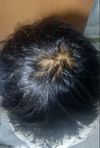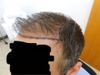
The conversation is about using micro needling and PTD-DBM for hair loss treatment. The user applies PTD-DBM drops on weekdays and performs micro needling weekly.
A user started using oral minoxidil (2.5 mg) and dutasteride (1 mg) for hair loss three months ago and noticed no side effects, possibly due to regular exercise. They speculate a possible link between COVID-19 and accelerated hair loss.
A user shared a tragic experience where their cat died after being exposed to Minoxidil, warning others of its toxicity to pets. Some users discussed switching to oral hair loss treatments, while others expressed condolences and shared their own concerns and experiences with topical treatments around pets.
The user is experiencing hair loss, possibly due to androgenetic alopecia and seborrheic dermatitis, and has tried ketoconazole shampoo without success. They are hesitant to use finasteride due to potential side effects and are seeking advice on managing their condition.
The user is experiencing severe hair shedding while on finasteride and plans to start using ketoconazole shampoo to address a greasy, waxy scalp buildup. They are seeking additional advice for managing hair loss.
Microneedling with exosomes is being considered for hair regrowth, but concerns exist about their effectiveness and safety, especially since exosomes degrade quickly and lack FDA approval. The user is seeking alternatives for non-responders to minoxidil and dutasteride, as exosomes may not provide additional benefits.
The user is experiencing hair loss after a hair transplant and is considering using fluridil (Eucapil) and possibly alfatradiol as treatments, as they couldn't tolerate finasteride or minoxidil. The manufacturer of Eucapil confirmed they won't produce higher concentrations due to lack of efficacy.
The conversation discusses the potential of Verteporfin for hair regeneration and improving hair transplant surgery to leave no scars. Specific treatments mentioned include Minoxidil, Finasteride, and RU58841.
The user experienced significant hair regrowth in temples, eyebrows, eyelashes, and beard after one month of using 0.5 mg Dutasteride, 2.5 mg Oral Minoxidil, and Ketoconazole Shampoo, with no side effects. They are still experiencing scalp shedding but expect further progress.
Creatine can cause increased hair loss in some people, particularly those with a predisposition to androgenic alopecia, but hair loss often stops after discontinuing its use. Some users experience no hair loss while using creatine.
User considers trying AAPE for hair restoration, costing $700 for 6 months. Others discuss its potential effectiveness and mention a study with promising results.
User experienced significant body hair loss from Finasteride and started oral Minoxidil to address crown thinning. Their current regimen includes 1mg Finasteride, 2.5mg Minoxidil, Biotin, Vitamin D, Zinc, Iron, and ketoconazole shampoo.
The conclusion of the conversation is that the user, PirateBeastBaby, had good results with microneedling for hair loss after using oral finasteride and topical minoxidil 20 years ago. They believe that microneedling was the gamechanger for their hair growth.
The user is using 5% topical minoxidil, a 0.5mm dermaroller, and keto shampoo for hair loss treatment, showing positive progress after two months. They plan to continue the regimen for maintenance.
Clascoterone 5% solution is discussed as a potential new treatment for hair loss, offering an alternative for those who can't use finasteride or need additional options beyond minoxidil. Concerns about cost, effectiveness, and safety compared to existing treatments like RU58841 and finasteride are highlighted.
Sulfur soap may help with hair thickening and reducing scalp inflammation, but it can cause dryness. Nizoral, containing ketoconazole, is noted for its potential to reduce seborrheic dermatitis but may also cause scalp dryness and hair loss.
Osteopontin, a protein involved in hair growth on moles, may help with hair loss. However, it is also linked to Alzheimer's, cancer, and bone development, so caution is advised.
Microneedling and ketoconazole alone are not effective for female pattern baldness. They are best used as complementary treatments alongside other medications like finasteride, spironolactone, or dutasteride.
A 20-year-old is experiencing hair thinning and is considering Clascoterone and Minoxidil as treatments, avoiding finasteride due to concerns about fertility and hormones. A suggestion was made to use Clascoterone for local DHT targeting and combine it with Minoxidil for maintenance and regrowth while avoiding systemic side effects.
A user shared their hair restoration journey using oral and topical finasteride, experiencing side effects with the former. They later switched to microneedling, scalp massages, and vitamins (D3, Zinc, Biotin, B complex, Vitamin E) with mixed feedback on progress.
The conversation discusses using minoxidil and finasteride for hair loss, with concerns about hair damage from massaging minoxidil into the scalp. Users suggest gentle application to avoid breakage and note that shedding is common after starting finasteride.
A user experienced significant hair shedding and thinning 10 months post-hair transplant despite using minoxidil and topical finasteride. They are considering switching to oral finasteride or dutasteride and are also dealing with scalp conditions like seborrheic dermatitis.
A new topical medication, Clascoterone, shows promise for hair loss, improving hair count significantly. Trials for Breezula are ending, but sign-ups for PP405 trials are available for 2026.
A 19-year-old is experiencing crown thinning after three months on finasteride and minoxidil, hoping it's just a shedding phase. They also use a dermaroller weekly and seek hair regrowth and stabilization.
The user has been on dutasteride for six months and experienced significant hair shedding, especially at the hairline, and is seeking advice. Some suggest continuing the treatment and being patient, while others share mixed experiences with dutasteride and consider switching back to finasteride or adding other treatments like RU58841.
The user shared progress on hair loss treatment after one year on finasteride, with some use of microneedling, minoxidil, and ketoconazole. They plan to use microneedling with minoxidil more consistently for better results.
The user is using a combination of oral Dutasteride and Minoxidil, and a topical formula with Finasteride, Minoxidil, and Hydrocortisone, along with rosemary oil, coconut oil, ginseng, and a derma roller. They are also using LLLT therapy and are questioning the timing of the laser cap session in relation to the topical application.
Fluridil degrades androgen receptors, which are prevalent in the scalp and other tissues. People with androgenetic alopecia (AGA) may have higher expression of these receptors and 5AR activity in affected scalp areas.
A user's journey to try and stop their hair loss, including the use of oral finasteride, topical minoxidil, ketoconazole shampoo, Cynatine Keratin supplements, and The Ordinary's Multi-Peptide Serum for Hair Density; and advice from other users regarding trying dutasteride, oral minoxidil, and lifestyle changes.