Search
for
Sort by
Community Join
30-60 / 1000+ resultscommunity Puffy eyes / fluid retention on Oral Minoxidil? Add an ACEi or ARB! *NOT MEDICAL ADVICE*
Oral Minoxidil can cause puffy eyes and fluid retention. Adding an ACE inhibitor or ARB, like Telmisartan, may help mitigate these side effects.
community 1 month after switching to topical Dut
community can someone help me identify these pls
The user is experiencing diffuse thinning and inflammation despite using 2.5mg dutasteride daily, ciclopirox, and ketoconazole shampoos. They are considering treatments like hydroxychloroquine and JAK inhibitors due to suspected scarring alopecia and have faced challenges in obtaining a scalp biopsy.
community Topical - Lantoprost .01%, MIN 10% DUT .05%, Hydrocortisone 1% Progrestron .025%
A user was prescribed a topical treatment for hair loss including Latanoprost, Minoxidil, Dutasteride, Hydrocortisone, and Progesterone, after using an oral Minoxidil and Finasteride combo without significant results. Concerns were raised about the long-term use of hydrocortisone, with suggestions to consult a doctor regularly.
community Minoxidil and skin aging worry - which prevention methods (platelet rich plasma, microneedlig, mesotherapy, stem cells, co2, ultherapy, ...)
User started minoxidil, noticed forehead lines and dark circles, and asked for non-invasive skin aging prevention methods. Another user suggested using tretinoin and hyaluronic acid for long-term benefits.
community Clinical Trial: Clascoterone (Cortexolone 17A-Propionate)
A user is joining a clinical trial for Clascoterone, a drug approved for acne but being tested for hair loss. They previously tried finasteride with limited success and plan to share updates on their experience with the new treatment.
community Miniaturization(?) after 12 months on oral fin/min compound
community 5 weeks Min + vit D/Zinc/biotin/collagen progress
community Under-eye wrinkle appeared after 4 weeks of oral minoxidil use, along with significant dark circles and under-eye puffiness.
The user's experience with oral minoxidil, which resulted in under-eye wrinkles; other users sharing their experiences and advice regarding hair loss treatments such as topical minoxidil, finasteride, RU58841, and collagen supplementation.
community Latanoprost shed - anyone have experience?
The user started using topical latanoprost and dutasteride, experiencing significant hair shedding and scalp itchiness, possibly due to an allergic reaction. They are considering stopping the treatment if the shedding is linked to an allergy.
community Feeling pretty hopeless... Dry skin and eczema causing my alopecia.
The user has been using dutasteride, lymecycline, betamethasone, and minoxidil for hair loss but struggles with eczema and dry skin. They feel hopeless as no treatments or moisturizers have helped, and they are concerned about their appearance due to their soft facial features.
community latanoprost, minoxidil and biotin 3/20/23 vs 5/21/23 same spot
Hair loss treatment with latanoprost, minoxidil, and biotin showed progress. Latanoprost, a glaucoma drug, stimulates anagen phase and increases conversion of vellus hair to terminal hair.
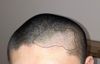
community One-sided diffuse thinning - what should I do?
The user is experiencing one-sided diffuse thinning and has been using finasteride and liquid minoxidil for 4-5 years with minimal results. They are considering whether to save for a hair transplant or address scalp sensitivity and irritation first.
community Early 2 month progress microneedling + nizoral 2% only
community Scarring Alopecia and NSAIDs?
The user suspects scarring alopecia and is exploring NSAIDs and turmeric/pepper for inflammation-related hair loss, having experienced burning and thinning with finasteride and testosterone reduction. They are seeking feedback while unable to afford a dermatologist.
community Deep wrinkles in last year since starting oral minoxidil? Anyone else?
A user noticed deeper facial wrinkles since starting oral minoxidil in February 2023 and is concerned about its effects on collagen production. Other factors include past accutane use, high stress, poor sleep, and COVID-19.
community 13 months TOPICAL ONLY progress! (Diffuse thinner)
The conversation is about a user's progress in treating diffuse hair thinning using a topical regimen including finasteride, minoxidil, ketoconazole, microneedling, saw palmetto, collagen, and vitamins, along with lifestyle changes. The user plans to switch from topical to oral finasteride for potentially better results.
community Molecular mechanisms triggered by Micronedlling -- Intersting Publication to better understand Dermarolling
This post and conversation are about the molecular mechanisms triggered by microneedling, specifically its effects on inflammation, tissue remodeling, epithelial proliferation, differentiation, and collagen synthesis. The discussion highlights the potential benefits of microneedling for hair loss treatment.
community how to compound topical cyclosporine
The conversation is about compounding topical cyclosporine for hair loss, suggesting it needs an oil base like castor oil. The user seeks tips or tricks for the process.
community Injured temple with derma rolling
OP injured their temple using derma rolling and tretinoin, causing peeling and potential hair follicle damage. Users suggest the injury might be permanent, possibly resulting in scar tissue where hair won't grow.
community Diffuse thinner taking Fin for over 2 years no improvement. Try oral min or switch to dut?
community Any experience with Latanoprost?
Hair loss discussion includes Latanoprost as potential treatment. Mild improvement observed with its use.
community Is there a possibility it's only because of the SD
A user is experiencing severe hair loss, diagnosed with seborrheic dermatitis, and is using Ketoconazole and beclomethasone. They are concerned about potential female pattern baldness and are seeking reassurance and advice.
community Those who tried compounded clascoterone how was your results.
community Has anyone tried CB-01-03 aka Clascoterone?
Clascoterone, a topical anti-androgen, is generating interest for potentially fewer systemic side effects. Users are curious about its effectiveness and details like concentration and duration of use.
community Derminator2 causing scars (microscope images attached)
User experienced scarring from microneedling at fast speed and paused treatment for 3-4 weeks to recover. Advice given includes waiting a full month for recovery to avoid scars.
community Has anyone tried latanoprost+microneedle?
Microneedling combined with latanoprost may convert vellus hairs to transitional or terminal hairs. The user suggests using oral minoxidil to increase vellus hair, then applying a high concentration of latanoprost with microneedling for conversion.