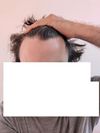
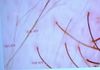
The user experienced hairline recession despite using topical finasteride/minoxidil and is considering whether misapplication was the cause. They are exploring options after experiencing side effects from oral finasteride, including possibly returning to the topical formulation with adjusted application methods.
A 19-year-old is experiencing hair thinning at the corners and some hair loss during sleep and washing. They are seeking advice on which treatment to start.
RU58841, an anti-androgenic compound, showed early promise for treating alopecia but faced challenges after its patent in 1997. Despite advancing to Phase II trials, safety concerns and financial struggles led Aventis to abandon its development. Proskelia, which later merged into ProStrakan, couldn't prioritize the drug, leading to its eventual stagnation and failure to reach the market.
The user has been experiencing severe scalp itching and red spots after using finasteride for two years, suspecting possible allergies or a fungal infection. Despite trying ketoconazole shampoo and stopping saw palmetto supplements, the symptoms persist, leading to increased hair loss.
The user reports positive progress in hair growth using 0.25mg finasteride, minoxidil, ketoconazole shampoo, and microneedling, with minimal hair shedding and some new hair growth. They experienced decreased libido with finasteride but no longer have side effects from minoxidil.
The conversation is about a user's hair loss treatment progress using minoxidil, dutasteride, and microneedling. The user noticed progress after 2-3 months but feels the progress has slowed recently.
A user shared their 13-month experience using finasteride and ketoconazole 2%, reporting significant improvement in hair growth, especially in the crown and temple areas. They also mentioned occasional use of biotin, multivitamins, and zinc, but noted recent increased shedding and hair loss in unexpected areas.
A user experienced skin irritation and acne while using Minoxidil foam, but after stopping both the foam and a sea salt spray, their skin improved. They plan to try oral Minoxidil, suspecting the sea salt spray, not Minoxidil, was the main cause of their skin issues.
Topical dutasteride with microneedling is effective for androgenetic alopecia, improving hair thickness and density. Further research is needed to confirm long-term efficacy.
The user is discussing hair regrowth after 7 months of using topical minoxidil and RU58841, with some microneedling. They are hesitant to switch to finasteride or dutasteride and are seeking input on whether there is new growth or just more miniaturization.
The conversation is about someone noticing increased nasal hair growth after using a combination of tretinoin and minoxidil for hair loss. They relate this effect to their grandfather's experience.
The user started dutasteride and oral minoxidil but saw no improvement in crown hair regrowth. Users suggest increasing the minoxidil dose and seeking a second opinion.
The user started using topical finasteride 0.025% and minoxidil 5% twice daily, seeing initial improvement but later experiencing shedding and scalp pain. They are considering increasing the finasteride dose to 0.05% while using keto shampoo and dermarolling, and are debating the effectiveness of low versus standard doses of finasteride.
The user reported significant hair regrowth after one month using Cécred edge drops, microneedling, and finasteride, despite skepticism from others. They had previously tried minoxidil, finasteride, PRP, and other treatments with limited success.
The user experienced worsening hair loss despite using dutasteride tablets and is considering switching to dutasteride gel capsules due to concerns about tablet bioavailability. Another user mentioned that countries like Japan, Korea, and India use the tablet form, suggesting the form may not be the issue.
Verteporfin might be a potential cure for hair loss and could heal scars, which may lead to natural-looking results when combined with hairline lowering surgery. One person suggests waiting to see if verteporfin actually works as claimed.
A user is starting treatment for hair loss with topical minoxidil, oral finasteride, and is considering adding topical latanoprost but is unsure about the application frequency and method for latanoprost. They are seeking advice from others with experience using these treatments.
A 27-year-old male experiencing hair loss post-Covid is considering PRP (platelet-rich plasma) therapy. He's seeking personal experiences about the process, particularly regarding pain levels, despite his dermatologist's assurance of using local anesthesia.
PP405 is a topical gel being tested for hair regrowth in adults with androgenetic alopecia. Volunteers aged 18-55 are needed for a 16-week trial in several US locations.
A 29-year-old shared their crown hair recovery using a daily liposomal topical solution of finasteride and minoxidil, low-level light therapy, and specific vitamins, noting significant improvement without side effects. They experienced issues with oral finasteride previously but not with the topical treatment.
Clascoterone in Winlevi, a topical AR antagonist, is being re-examined due to concerns about HPA axis suppression in adolescents, but it's unlikely to be banned for adult use in androgenetic alopecia (AGA). The European Medicines Agency recommended refusing Winlevi for acne vulgaris, but this may not affect Breezula's approval for AGA.
Hair loss discussion focused on 2% Fluridil's peak efficacy at 3 months and 7% Fluridil group buy results, including shedding decrease, side effects, and regrowth.
OP is considering using a keratin gel to improve hair quality and is concerned about its safety and visual impact on a slightly balding crown. Users discuss shampoo frequency, with some suggesting less frequent use for better hair health, but OP prefers regular shampoo and conditioner for silky hair.
A user's 12 month update on treatment for hair loss, which include oral dutasteride and minoxidil, topical RU88541 and minoxidil, microneedling with hyaluronic acid and FinDuta, experiencing no side effects, positive results and inspiring other users.
DLQ01, a prostaglandin F2α analog, shows promise for hair growth by directly stimulating PGE2/PGF receptors without needing conversion, and can be combined with minoxidil and retinoids like tretinoin for enhanced effectiveness. Minoxidil's efficacy may be reduced by COX-1 inhibitors, but using prostaglandin analogs like Latanoprost or Bimatoprost can help maintain its effectiveness.
A user's experience with microneedling monotherapy and potential treatments such as finasteride, minoxidil, Stemoxydine, rosemary oil, peppermint oil, and RU58841 for reversing hair loss.
A user, 42 M, NW 5-6, used oral Dutasteride, Minoxidil, RU58841 topical, micro needling, Nizoral shampoo, saw palmetto gummies, vitamin D gummies, and scalp massages for 2 months. They noticed many small light hairs on previously bald areas and are questioning if these will darken or remain vellus hairs.
The user experienced significant hair regrowth using a regimen of minoxidil 5% twice daily, finasteride 1 mg daily, microneedling, ketoconazole 2% twice a week, and occasional castor and coconut oil, along with daily scalp massages. They are optimistic about reversing their Norwood 5/6 hair loss.
The user shared a 5-month update on using finasteride, minoxidil, and ketoconazole shampoo for diffuse thinning, along with supplements like B-Vitamins, D-Vitamins, Iron, and Beta carotene. They noted improvement in hair condition and encouraged others to check previous posts for more information.