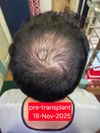
User experienced rapid thinning on crown, used dutasteride for 3 months with significant improvement. Microneedling and ketoconazole were also used, but no minoxidil or finasteride.
The user is using a regimen including topical finasteride, ketoconazole, melatonin, keto shampoo, pyrilutamide, microneedling, and tretinoin for hair loss, and is considering switching to oral finasteride for convenience and potentially better results. Some users suggest switching to oral finasteride and checking for health issues like nutrient absorption, while others note maintenance or slight improvement in hair thickness.
A user with kidney disease and high blood pressure experienced hair thinning, especially around the vertex. They are currently using finasteride and oral minoxidil but are considering whether to resume blood pressure medication despite managing symptoms with diet and exercise.
Minoxidil users discuss skin-care routines to counteract side effects like dark circles and dull skin. Recommendations include vitamin C, potassium, collagen, retinol, nizoral shampoo, and emu oil.
A 15-year-old experiencing severe diffuse thinning plans to use minoxidil, dermarolling, and possibly ketoconazole, with hopes to later incorporate finasteride. Concerns about starting finasteride too young and the need for a dermatologist consultation are discussed.
The conversation is about a user obtaining a compounded treatment for hair loss, including 0.1% latanoprost, 0.2% melatonin, and 1% cetirizine. The user also uses 2.5 mg dutasteride, 5 mg minoxidil, and RU58841 daily, and is at Norwood 2.
A user expressed disappointment that their hair loss worsened after 11 months using topical finasteride with TrichoSol, despite no side effects and initial signs of improvement. They asked for advice and opinions on their treatment and alternatives, with suggestions including switching to oral finasteride or dutasteride, starting minoxidil, and addressing their seborrheic dermatitis with different shampoos or medical advice.
A 30-year-old with diffuse thinning and a balding crown is using a treatment regimen of a 2-in-1 pill containing finasteride, minoxidil, and biotin, along with various supplements. After two weeks, no side effects have been experienced, and updates with pictures will be posted monthly.
The user has been using a regimen including finasteride, minoxidil, various oils, and supplements for hair regrowth over 9–10 months. They observed fine hairs returning and a change in scalp texture after adding cinnamon oil, questioning if this change is a positive sign.
The conversation is about improving scalp appearance by regaining adipose tissue and making the skin look better using scalp massages and a moisturizer with hyaluronic acid, ceramides, and urea. The user is not trying to regrow hair but wants to improve the scalp's thickness and appearance.
User noticed beard and sideburn hair loss, and thinning eyebrows, diagnosed with alopecia barbae and male pattern baldness, and prescribed Desonide cream. User seeks feedback on Desonide cream.
Mixing topical solutions like Morr F 10% (Minoxidil) and L'Oreal Seryoxyl (Stemoxydine) before application may not reduce their effectiveness. The goal is to apply treatments all at once instead of multiple times a day.
Clascoterone 5% topical solution shows promise for treating male-pattern hair loss by blocking DHT at the follicle without systemic absorption, potentially offering fewer side effects than oral treatments like finasteride. While results are promising, long-term safety and effectiveness need further study, and it may serve as a starting point for developing more effective treatments.
A 24-year-old male has been using finasteride for 7 months and noticed thinning hair, especially when wet, and is concerned about the effectiveness of the treatment. Suggestions include continuing finasteride, considering minoxidil, and possibly trying micro-needling.
Stopping finasteride may reduce water retention or alter fat distribution, leading to a leaner face. Hormonal changes, like reduced DHT or increased estrogen, could cause these effects.
Clascoterone 5% shows potential for hair thickening and darkening, especially when combined with treatments like finasteride. It may be a good alternative for those who experience side effects from other treatments.
User discusses verteporfin for hair regrowth through "super microneedling" and preventing scarring. They mention a case of an old man regrowing hair after a head injury and suggest verteporfin could recreate this result.
A human trial of verteporfin, a drug that can inhibit wound healing by scarring and promote regeneration of original tissue and hair follicles to provide an unlimited source for hair transplants; people discussed the potential of this drug and how it could be rolled out in mainstream with more doctors getting on board.
A user shared their 7-month progress on hair regrowth using a regimen of dutasteride, minoxidil, stemoxydine, microneedling, and keto shampoo. They noted significant improvement, particularly in vellus hair growth, and discussed the potential addition of RU58841, though they experienced side effects with it previously.
A user is considering making a 2% clascoterone lotion from powder due to unavailability in their location. They plan to mix clascoterone powder with retinol lotion and use literature to determine the correct dosage.
Hair density improved using topical dutasteride, minox, keto, and 3.5% fluridil for 6 months. Better results when hair is dry, but still unsatisfied when wet.
The user experienced severe scalp itching after using RU58841 and ketoconazole shampoo, despite trying moisturizing treatments. They suspect the issue is related to the propylene glycol in the vehicle and are seeking alternatives.
A 28-year-old male shares his 7-month progress after a crown hair transplant, using topical minoxidil foam, finasteride, and microneedling. He seeks feedback on whether his crown's progress is typical and if further thickening is expected between months 7 and 12.
The user has been using oral finasteride for 15 months and oral minoxidil for 6 months, and developed alopecia areata, for which a dermatologist prescribed calcipotriol/betamethasone. The treatment is helping, but the user is experiencing another shedding phase and is concerned about the effects of the steroid cream and the cause of hair loss.
Sulfur soap may help with hair thickening and reducing scalp inflammation, but it can cause dryness. Nizoral, containing ketoconazole, is noted for its potential to reduce seborrheic dermatitis but may also cause scalp dryness and hair loss.
OP experienced significant hair growth after switching from topical treatments to oral Dutasteride, alongside using CJC/Ipamorelin and Cialis. They stopped using topical Minoxidil and Finasteride, attributing the hair growth to the new regimen.
Latanoprost is discussed as a potential hair loss treatment, noted for its synergy with minoxidil and 5-AR inhibitors, but concerns include its effectiveness on scalp hair, cost, and potential skin darkening. Some users express interest in trying latanoprost or bimatoprost despite limited real-world evidence.