Search
for
Sort by
Community Join
840-870 / 1000+ resultscommunity Tried everything, regressed further. Started fin, regrowth incoming! M45
The conclusion of the conversation is that the user, AlgomasReturns, tried various treatments for hair loss but saw regrowth after starting finasteride. They recommend others to try it as well.
community Crown Check: Oral Min/Fin results after ~5 months. Progress or Plateaus?
The user is discussing their hair regrowth progress after using oral Minoxidil (2mg daily) and Finasteride (1mg daily) for about five months, along with support supplements like Vitamin D, Biotin, and Omega 3. Suggestions include replacing Finasteride with Dutasteride and increasing Minoxidil dosage, while also considering microneedling and scalp massage for better results.
community Topical Fin & Min, 5 Month Progress
Significant hair regrowth was achieved using a topical combination of 0.3% finasteride and 6% minoxidil, with weekly dermastamping and ketoconazole shampoo, without side effects. Others suggested additional treatments like red light therapy and PRP.
community There is hope for all those that think they are chopped.
Finasteride, Minoxidil, and Biotin were used for hair regrowth, with noticeable results in 3 months and no side effects reported after 9 months. The user attributes the success to these treatments, not a hair transplant.
community 1 Year on 1x 1mg Fin & 2x 5% Topical Min Daily
Regrowth from using a regimen of finasteride and topical minoxidil daily, with additional microneedling since January 2023, as well as intermittent usage of nizoral and biotin tablets. The replies suggest that the user has seen positive results in their hairline.
community 4 months of progress, lots of new terminal hairs, diffuse thinning. 31m
A 31-year-old man shares his 4-month hair regrowth progress using topical minoxidil, topical finasteride, microneedling, biotin, and other supplements. He reports new hair growth despite experiencing side effects from finasteride and plans to continue his regimen for further improvement.
community 2 years oral fin nonresponder, seeing regrowth in ~1 month from adding topical fin
After two years of no regrowth with oral finasteride and topical minoxidil, adding topical finasteride and dermastamping led to noticeable hair regrowth in one month. The combination of treatments, particularly the addition of topical finasteride and dermastamping, is believed to have improved absorption and effectiveness.
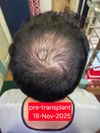
community 7 month crown transplant progress update | minoxidil since Jan, finasteride since June
A 28-year-old male shares his 7-month progress after a crown hair transplant, using topical minoxidil foam, finasteride, and microneedling. He seeks feedback on whether his crown's progress is typical and if further thickening is expected between months 7 and 12.
community First month on minoxidil, crown update.
The conversation discusses the effectiveness of minoxidil for hair loss after one month of use, with a user questioning if complete hair regrowth is possible and another suggesting the perceived improvement may be due to lighting differences rather than actual hair growth.
community 1 Year regrowth 24M Fin and Min restored hairline
A 24-year-old experienced significant hair regrowth over a year using 1mg finasteride daily and 2.5mg oral minoxidil. The results appear natural without enhancements.
community ASC-J9: Poor man’s GT-20029 that might work for regrowth. Anyone try this stuff?
The potential hair regrowth benefits of ASC-J9, a synthetic modified version of curcumin that is said to be more effective than Minoxidil and Finasteride. Reports from users suggest good thickening and temple regrowth with topical use at 0.025% concentration.
community My hair regrowth journey from December 2024 - Now
The user shared their hair regrowth journey, highlighting the use of Minoxidil and Finasteride as main treatments, along with lifestyle changes like changing pillowcases, checking vitamin deficiencies, and maintaining a clean diet. They advised consulting a doctor before starting treatments and noted that results may vary.
community Month 3 progress - following up to provide an update and a little encouragement
The user is experiencing slow but noticeable hair regrowth using 1mg finasteride daily, 5% minoxidil, microneedling, and vitamins. They have also adopted healthier lifestyle habits and are considering a hair transplant in the future.
community Microneedling is the key ? Pics after 3 months
The user added microneedling to their routine of minoxidil and finasteride, resulting in noticeable hair regrowth after three months. They shared photos showing significant improvement.
community Oral min and ru 🙏let’s hope these go terminal
The conversation discusses hair regrowth using oral minoxidil and RU58841, with visible baby hairs appearing after two months. One user questions the choice of RU58841 over finasteride.
community About 7-8 months hair regrowth min/fin/niz/derma and biotin. Hairline still the same , but overall hair looks better.
The user shared progress pictures showing 7-8 months of hair regrowth using Minoxidil, finasteride, Nizoral, dermarolling, and biotin. The hairline remains the same, but overall hair looks better.
community 8 months progress Before/After
The user is pleased with their hair transplant results but is concerned about the vertex area. They use Minoxidil and finasteride daily and had the procedure at a clinic in Athens.
community My hair regrowth journey (3 months) (October to December)
The user shared their hair regrowth journey over three months using oral Finasteride, topical Minoxidil, and derma stamping. They reported significant progress and encouraged others to try similar treatments.
community 34M from India, Hair regrowth progress photos
community Regrowth or miniaturisation???
A 25-year-old male experiencing hair loss suspects stress-related alopecia and is hesitant to use Minoxidil due to potential side effects. Another user suggests it might be androgenic alopecia and recommends starting finasteride.
community Nearly 3 years in and I'm on a mega growth spurt. Don't lose heart.
The user experienced subtle hair growth improvements using finasteride, dutasteride, and minoxidil over nearly three years, with notable progress at the temples. The front hairline shows quicker regrowth cycles, but the vertex and crown remain unchanged.
community Why am I significantly losing ground even though I am constantly adding to my stack?
The user is experiencing significant hair loss despite using treatments like finasteride, minoxidil, dutasteride, micro-needling, rosemary oil, and various vitamins. In the conversation, others suggest checking iron and hemoglobin levels, maintaining a positive attitude, and adding RU58841 to the treatment regimen.
community 3 Months Topical Fin/Min/Tret Spray
A 28-year-old male experienced hair regrowth using a topical spray containing minoxidil, finasteride, and tretinoin, along with occasional microneedling, after stopping oral finasteride due to side effects. He is pleased with the progress after three months and plans to continue using the spray.
community 14 months down, many more to go!
The user is experiencing good hair regrowth using topical minoxidil, oral finasteride, biotin, and ketoconazole shampoo. They are curious about when the regrowth will plateau.
community Before & after - Is there a real progress?
A 44-year-old male is using topical minoxidil twice daily and experimenting with topical and oral melatonin for hair regrowth. A user noticed increased density on the crown and mid scalp.
community Are these small hairs progress???
The conversation is about someone using topical dutasteride and oral minoxidil for hair loss, and they are seeking opinions on potential hair regrowth shown in a photo. Respondents agree that there is some progress.
community 3 month update. Slowly but surely.
A 39-year-old male is experiencing hair regrowth after three months using 1mg oral finasteride daily, 5% topical minoxidil twice daily, dermastamping twice a month, and 2% ketoconazole shampoo weekly. He shares progress photos and receives encouragement and advice from others, noting some improvement and considering additional treatments but is limited by budget.
community anyone seen regrowth with tretinoin + minoxidil on hairline?
Some people have seen hair regrowth on their hairline using tretinoin and minoxidil. Specific treatments discussed include tretinoin and minoxidil.
community Progress after 2 months – would love to hear your thoughts
The user is experiencing noticeable hair regrowth after 2 months using oral finasteride, topical minoxidil, weekly dermastamping, and ketoconazole shampoo. They report thicker hair, especially at the temples, and are surprised by the improvement.