The conversation discusses hair loss treatments, specifically mentioning Minoxidil, finasteride, and RU58841. It also references Epibiotech's hair multiplication and cell therapy as potential solutions.
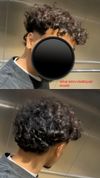
User shared 8-month progress using Fin, Min, RU daily and Nizoral twice a week for hair loss. Experienced shedding, but saw improvement and gained hope.
The user is seeking confirmation of progress in their hair regrowth journey while using oral finasteride and topical minoxidil. They also mention experiencing shedding and dandruff after switching from liquid minoxidil to foam. Some users suggest considering a hair transplant.
Diluting topical finasteride with coconut oil is discussed, with a suggestion to use topical minoxidil for a combined treatment. OP plans to try the minoxidil combination.
A product called HairMDL includes Minoxidil, Dutasteride, Latanoprost, caffeine, Tretinoin, and Triamcinolone. Users are curious about its effectiveness and safety, particularly regarding the topical steroid Triamcinolone.
A 21-year-old experienced significant hair regrowth using finasteride, Procapil, and microneedling over 8 months. The barber was amazed by the progress, and the user no longer sees their scalp during haircuts.
PP405 may revive dormant hair follicles, and DHT blockers like finasteride or dutasteride could maintain new hair. Combining PP405 with minoxidil might be optimal, but long-term effects and continuous use are uncertain.
User discusses a 98-year-old man with amazing hair and a better hairline than someone 80 years younger. Conversation includes various treatments like Minoxidil, Finasteride, and genetics as factors for hair quality.
A 24-year-old user shared their 3-month progress using a topical spray containing 0.3% finasteride and 6% minoxidil, along with dermarolling and Nizoral shampoo, reporting reduced shedding and signs of hair regrowth. They emphasized consistency in their routine and noted no side effects, expressing optimism about future results.
A user shared their positive experience with a 5% minoxidil and 0.1% finasteride topical serum for hair loss, noting improvements in hair density and new growth within 2.5 months. They also mentioned using red light therapy, vitamin D+K2 supplements, and an all-natural shampoo.
The conversation is about a hair loss product that claims to use stem cells and ingredients like Capixyl, Redensyl, and Baicapil, with the user asking if anyone has looked into it. No specific treatments were discussed.
The conversation discusses hair loss treatments, including microneedling, Nizoral, LLLT, Minoxidil, and Finasteride. The user experienced initial shedding reduction with Nizoral and LLLT, but shedding resumed with Minoxidil and Finasteride, which is considered a normal part of the treatment process.
A new stem cell method for culturing hair follicles is being developed as an alternative to Minoxidil, finasteride, and RU58841. There are concerns about its cost and accessibility despite plans for commercialization.
The conversation discusses hair regrowth using Finasteride, Alpecin shampoo, vitamins, RCP serums, and Redensyl, with noticeable improvement in the fifth month. The user experienced some shedding initially but found stability without using Minoxidil, as advised by their dermatologist.
A 113 year old man who has more hair than most people, and the conversation is discussing potential genetic factors that may be responsible for this. Possible treatments such as dermarolling and minoxidil, finasteride, and RU58841 are mentioned.
The conversation discusses the frustration of having excessive body hair while experiencing scalp hair loss, with mentions of treatments like finasteride, minoxidil, and hair transplants using body hair. Users share experiences and advice, noting the role of genetics and DHT in hair growth patterns.
A user with diffuse thinning, currently using finasteride, biotin, minoxidil, and nizoral shampoo, is considering a topical solution called "82M" but is skeptical due to its high cost and lack of supporting research. They seek others' experiences with "82M."
A user shared progress pictures showing significant hair improvement after using a topical 0.3% finasteride/6% minoxidil solution from January to June 2024. They experienced initial shedding but saw progressive improvement with daily evening application.
Ketoconazole 2% shampoo stopped a user's severe hair shedding after just two uses, a result not achieved by finasteride or oral minoxidil. Some users suggest the shampoo's anti-androgenic properties may help with hair loss, while others think the shedding might have stopped naturally or due to the end of a shedding phase.
A user was prescribed Alpicort E, which contains Estradiol Benzoate, Prednisone, and Salicylic Acid, for hair loss and is seeking others' experiences due to concerns about potential side effects.
A user, 35M, has been using oral finasteride for 5 years and 5% minoxidil for 3 years, which stopped hair loss but didn't promote regrowth. After starting RU58841 5 months ago, they noticed long, translucent hairs and are asking if these hairs will darken and how to encourage this.
The user experiences irritation from alcohols in minoxidil and is considering alternatives like trichosol mixed with polyethylene glycol or DMSO. They seek advice on the best nonirritating option.
The user applied topical finasteride 0.3% and minoxidil 6% once daily, used keto shampoo weekly, and derma stamped weekly or biweekly. They noticed hair improvement, possibly due to regrowth or letting it grow longer.
Hair cloning and injection of dermal papilla cells are discussed, with skepticism about their availability by 2023. Users mention Minoxidil, finasteride, and hair transplants as current treatments.
The user increased finasteride to 1mg daily, stopped using ketoconazole and pyrithione zinc shampoos, and started using regular pH balanced shampoo with tea tree oil, rosemary/peppermint oil, and microneedling. They are now seeing new hair regrowth at the hairline and temples.
The conversation is about a hair loss treatment regimen including finasteride, oral minoxidil, Stemoxydine, a multi-peptide serum, and ketoconazole. A suggestion was made to add dermastamping and tretinoin.
The user is using a topical solution with finasteride, minoxidil, and tretinoin and is considering adding GHK-Cu to enhance hair growth and quality. Another user suggests diluting GHK-Cu and storing it in a smaller, refrigerated bottle.
Clinical studies by Dr. Barghouthi and Dr. Bloxham indicate that Verteporfin, when used with FUE and FUT hair transplantation methods, shows promise in hair follicle regeneration and minimal scarring due to its ability to inhibit Yes-associated protein (YAP). Microneedling at depths of 3-3.5mm, combined with Verteporfin, could potentially reactivate dormant follicles, although the optimal dosage and application method are still under investigation. Concerns remain about the DHT sensitivity of regenerated follicles, highlighting the need for further research to optimize trauma levels and Verteporfin concentrations to achieve effective and scar-free hair regeneration.