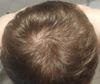
A user is considering using finasteride for a receding hairline at age 22, preferring not to use minoxidil. Another user suggests finasteride can help maintain and thicken existing hair but is less effective for regrowth without minoxidil.
The user has been using oral finasteride and minoxidil for hair loss, with slowed hair loss but little progress. They are considering adding dutasteride due to concerns about crown thinning.
The user has been using finasteride for over three years, which initially stopped balding and caused regrowth, but recently noticed hairline recession. They started using topical minoxidil two months ago and are considering switching to oral minoxidil and possibly dutasteride.
Missing a few days of oral minoxidil won't significantly affect progress, but may cause temporary increased shedding. Resume normal dosage once the delivery arrives without doubling up.
The user started oral minoxidil (2.5mg) and finasteride (1.25mg) for hair loss but experienced decreased libido, weaker erections, and sleep issues after a week. They stopped finasteride and are considering lowering the dosage due to concerns about side effects.
The conversation discusses using GHK Cu + AHK Cu peptides combined with topical dutasteride and minoxidil for hair regrowth. It mentions negative side effects of finasteride and promotes a specific copper peptide serum.
The user is considering switching from topical to oral minoxidil to address thinning hair and a receding hairline. They are currently using topical minoxidil with tretinoin, finasteride, and ketoconazole shampoo without side effects.
The user is considering switching from Hims to generic minoxidil and finasteride, with slightly lower dosages. They are concerned about maintaining their current hair condition without regrowth.
A 40-year-old considering a hair transplant after using finasteride and oral minoxidil for hair maintenance. They have maintained hair well with these treatments and seek opinions on whether a transplant would improve their appearance.
The user is considering using tretinoin with minoxidil to enhance its effectiveness for hair loss, as oral minoxidil and finasteride aren't meeting expectations. They also mention ketoconazole topical as a potential scalp treatment.
The user is considering a hair transplant for crown hair loss but is anxious about recovery and results. They are debating whether to try oral minoxidil for 6-12 months before surgery and whether to address their hairline during the transplant.
The user has been using oral finasteride and minoxidil for 7-8 months but continues to experience hair shedding and is considering switching to dutasteride. They are seeking advice on whether to make this change or wait longer.
The user is considering starting minoxidil and finasteride for hair loss at Norwood 2 or 2.5. Another user suggests consulting a dermatologist and possibly using finasteride to prevent progression and minoxidil for regrowth, with dutasteride as an alternative.
The user is using Dutasteride and Minoxidil for hair loss and is considering a shorter buzz cut to manage the appearance of thinning at the crown. They are unsure if a #1 buzz cut would look better than a #3 while waiting for the treatment to take effect.
The user is using 5% topical minoxidil twice daily and 1.25 mg oral finasteride for hair thinning at the temples. They are considering switching to once-daily minoxidil due to scalp flakiness and future time constraints.
The user plans to switch from topical to oral finasteride (1mg/day) and minoxidil (3mg/day) due to unsatisfactory results with topical treatments. They seek advice on the effectiveness, potential side effects, and the timing for considering a hair transplant, with recommendations to monitor health metrics like blood pressure and conduct thorough bloodwork before starting.
A 27-year-old is considering a hair transplant after unsuccessful minoxidil and dermarolling use, but is hesitant about finasteride due to potential side effects. Users advise trying finasteride or dutasteride to prevent further hair loss and suggest that a transplant won't stop balding without medication.
A user started taking 1mg of finasteride daily but experienced anxiety and brain fog, considering reducing the dose to 0.5mg to adjust. They seek advice on whether this change could help manage side effects and hair shedding.
The user has been using oral finasteride for 15 years and is considering switching to a finasteride/minoxidil spray due to concerns about potential side effects like depression. They are seeking advice on whether to continue with both treatments or switch exclusively to the spray.
The user is considering stopping topical minoxidil due to inconvenience and side effects while continuing finasteride for hair loss. They seek advice on the experience of stopping minoxidil and potential alternatives.
A long-term finasteride user is considering adding minoxidil to address hairline thinning. They plan to use minoxidil foam due to a propylene glycol allergy and currently use Nizoral for mild dandruff.
The conversation discusses whether someone with a naturally large forehead and widow's peak can get a hair transplant and start finasteride early. It also mentions a surgery to lower the hairline as an alternative.
A user is considering starting finasteride to prevent further hair loss and is unsure whether to add minoxidil immediately or later. They plan to try finasteride alone first to assess its effectiveness and consider adding minoxidil later if needed for regrowth.
The user is considering stopping topical minoxidil due to lack of improvement in hair growth and is exploring alternatives like oral minoxidil, topical finasteride, and tretinoin. They are hesitant about oral finasteride and dutasteride, and are open to trying oral minoxidil if available, despite concerns about potential heart-related side effects.
The user has been using 0.25% topical finasteride for eight months with slight improvement and is considering switching to oral finasteride for convenience and potentially better results. Increasing the topical concentration to 0.33% or 0.5% is also an option, but oral finasteride may have more systemic side effects.
The user is using dutasteride, oral minoxidil, and a topical compound with minoxidil, latanoprost, finasteride, and biotin. They are considering stopping the topical minoxidil due to lack of noticeable results on the head but are concerned about potential hair loss or shedding.
The conversation is about concerns regarding starting finasteride for AGA, with a preference for topical finasteride due to worries about oral side effects. The user is considering adding oral minoxidil later due to an allergy to topical minoxidil.
The user is considering switching from topical 5% minoxidil to oral minoxidil at 1.25 mg daily due to practicality, despite the higher cost. They are seeking advice on whether this low-dose oral approach is effective.
The user is considering stopping dutasteride and minoxidil due to side effects like low mood and depression after three weeks of use. They are concerned about hair shedding and are contemplating switching to just minoxidil to see if it helps without affecting mental health.