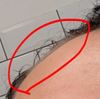
A 19-year-old is experiencing hair thinning at the corners and some hair loss during sleep and washing. They are seeking advice on which treatment to start.
Reincarnation humorously suggested as a hair restoration method, with exaggerated and satirical discussions on finasteride use. The conversation includes jokes about side effects and the absurdity of extreme measures for hair loss.
A user traveled to Turkey for a 5000-graft FUE hair transplant at ASMED Clinic with Dr. Koray Erdogan. They used finasteride before and after the surgery and shared detailed experiences, costs, and recovery tips.
A user shared their positive experience with a 2200 graft FUE hair transplant at DiStefano Hair Restoration in Worcester, MA, praising Dr. Heinis and his staff for their care. The user is also using oral Dutasteride, topical Minoxidil, and vitamins D and B.
A 27-year-old experienced significant hair regrowth after a hair transplant with 4349 grafts, supported by minoxidil and finasteride, improving his confidence. He plans to update on further progress at 9–12 months.
Oleic acid and microneedling are being explored for hair regrowth, but results are mixed. Addressing DHT and fibrosis is crucial, with treatments like finasteride, minoxidil, and scalp massage also discussed.
The conversation discusses hair loss treatments, specifically Minoxidil, finasteride, and RU58841. It also inquires about the timeline for the GT20029 phase 3 trial by Kintor.
The user shared their 21-month hair loss treatment journey using oral finasteride, minoxidil, microneedling, and ketoconazole shampoo, noting visible improvement by months 3-4 and reduced shedding after month 20. They experienced no side effects and emphasized this is based on personal experience, not medical advice.
A 36-year-old is experiencing underwhelming results from derma stamping for hair thinning, using needle lengths of 0.5mm to 0.75mm. They are considering increasing needle length, taking a break, or pairing the treatment with rosemary oil.
The user regrets their hair transplant after 5 months due to patchy and thin hair, despite starting finasteride at the same time. Many recommend waiting 12-18 months for results and using finasteride and minoxidil before and after the transplant.
The conversation discusses the effectiveness of finasteride and microneedling for treating hair loss. The linked article is seen as an advertisement for these treatments.
The conversation discusses a hair loss treatment regimen involving finasteride topical, minoxidil oral and topical, pumpkin seed oil, turmeric drink, weekly derma rolling, and regular head massages. Another user plans to start a similar regimen, including finasteride, minoxidil, keto shampoo, and GHK-Cu vials.
The user visited a trichologist due to ineffective topical finasteride treatment for hair loss. The trichologist recommended a new regimen including a two-month course of locoidon (cortisone 0.1%), followed by a solution containing minoxidil, hydrocortisone butirrate, estrone, progesterone, tocopherol acetate, trichosol, and transcutol.
The conversation discusses hair regrowth progress using finasteride, minoxidil, dutasteride, ketoconazole, microneedling, and multivitamins. The user shares their journey and receives advice on haircuts and additional treatments like PRP and RU58841.
The user experienced hair regrowth and strengthening using finasteride, minoxidil, micro-needling, Nizoral, and biotin products. Despite progress, they acknowledge that a hair transplant may be needed for full hairline restoration.
The conversation discusses using topical cetirizine as a treatment for androgenetic alopecia (hair loss). Specific treatments mentioned include Minoxidil, finasteride, and RU58841.
The user is considering postponing a scheduled hair transplant to see if finasteride and minoxidil treatments improve hair growth. Another user suggests waiting several months to assess the effectiveness of the medications before deciding on surgery.
The conversation discusses microneedling for hair loss, with the original poster experiencing pinpoint bleeding after using needles of 1.25mm and 0.5mm, possibly due to adding GHK-Cu to their treatment regimen. They are inquiring if others bleed at similar depths.
The conversation is about the timeline for Kintor's phase 3 trials for GT20029 and the potential release of the product in three years. It also mentions treatments like Minoxidil, finasteride, and RU58841.
FalseHour6541's two-year experience with Minoxidil and Finasteride, resulting in good density on their crown; other users suggested a hair transplant to help reduce the receding hairline.
The user applies a topical solution containing minoxidil, finasteride, dutasteride, retinoic acid, and hydrocortisone to address scalp inflammation and is considering adding cetirizine to the mix. They are calculating the correct amount of cetirizine to add to their formula and have paused this approach to retry oral minoxidil.
A user shared their successful hair transplant experience from Medart Hair Istanbul, where they received 4500 grafts and are pleased with the natural results. They also use finasteride and minoxidil in an all-in-one pill to maintain their hair.
A user who had a hair transplant in Turkey and shared their experience, as well as tips for those considering the same procedure. Other users then discussed their experiences with similar clinics, and offered advice on how to find reputable surgeons and avoid scams.
A user shared their positive experience 9.5 months after a hair transplant at Diamond Hair Clinic in Istanbul, Turkey, mentioning the use of dutasteride, vitamin tablets, and minoxidil shampoo. They expressed satisfaction with the procedure and would choose to do it again.
The conversation discusses the progress of Clascoterone (Breezula) for hair loss treatment, noting that COVID-19 delayed female trials by three months but Phase III trials for males are proceeding with a Special Protocol Assessment filed with the FDA. Users express hope for Breezula as an alternative to existing treatments like finasteride and minoxidil, despite concerns about its potential high cost.