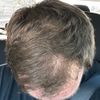
A user underwent a hair transplant at Moart Clinic in Seoul, receiving 1100 grafts in the crown area after Dutasteride and oral Minoxidil failed to improve a stubborn bald spot. The procedure was successful, with minimal pain and good post-op recovery, costing $6900 USD before a tax refund.
RU58841 caused chest tightness, throat irritation, and headaches, leading the user to stop its use. The user plans to restart with a lower dose if symptoms fully disappear but remains cautious due to anxiety and side effects.
Reducing the dose of RU58841 from 25mg to 7.5mg topically helped minimize heart palpitations. Users discussed the cardiac effects of RU58841 and minoxidil, noting that no treatment is completely free of side effects.
A 24-year-old woman being diagnosed with androgenic alopecia (AGA) who is scared and confused about her hair loss, and the treatment options of Minoxidil, finasteride, RU58841, spironolactone, and possibly a biopsy.
The user is experiencing worsening hair loss despite using finasteride and is advised to add minoxidil to their treatment. Concerns about side effects and the effectiveness of combining finasteride and minoxidil are discussed.
RU58841 may cause heart-related side effects like palpitations and chest pain, though evidence is mostly anecdotal. Users report mixed experiences, with some stopping due to side effects and others using it without issues, but concerns about its safety and sourcing remain.
A 30-year-old with diffuse thinning and a balding crown is using a treatment regimen of a 2-in-1 pill containing finasteride, minoxidil, and biotin, along with various supplements. After two weeks, no side effects have been experienced, and updates with pictures will be posted monthly.
Oral minoxidil may cause heart palpitations, especially in those sensitive to caffeine. It's advised to consult a doctor and consider starting at a low dose or using topical minoxidil.
CRISPR treatments for blood disorders have been approved, leading to discussions about its potential for treating hair loss (AGA). A study showed that editing a gene related to DHT sensitivity could lead to hair regrowth, suggesting CRISPR may eventually be used for AGA, but it's expected to be expensive and not soon available.
A male in his early 20s with CCCA (scarring alopecia) started treatment with Finasteride, Fluocinolone, and Doxycycline. Steroid injections were suggested but not yet done.
The user is experiencing severe hair loss after surgery and stress, with thinning all over the head, including the sides and neck. They are unsure if it's due to DUPA or alopecia areata incognita, and doctors have not observed miniaturization.
Minoxidil can cause heart palpitations, and users experiencing this should consider reducing the dosage or switching to alternatives like rosemary oil. It's advised to consult a doctor if side effects occur.
An 18-year-old experienced chest pain, headaches, and vomiting after taking oral minoxidil for hair loss. They reduced the dosage, felt better, but experienced sharp chest pain again after increasing it, and are advised to stop the medication and see a doctor.
Oral minoxidil is considered a safe and effective treatment for hair loss at low dosages, with minimal cardiac risks. Users report positive results, though some experience side effects like increased heart rate and skin changes, and consulting a doctor is advised.
Oral minoxidil treatment increased hair density and shaft caliber in AGA patients. Side effects included hypertrichosis and lower extremity edema, with younger patients experiencing fewer side effects.
Procyanidin B2, a compound derived from Annurca apples, as a potential treatment for pattern hair loss. Several clinical studies were mentioned, which found that procyanidin B2 could increase hair growth, density, and keratin content. Other treatments such as Minoxidil, Finasteride, and RU58841 were not discussed.
Dr. Muñoz's discovery suggests that targeting potassium channels in fibroblasts could reactivate hair growth, offering new treatment possibilities for alopecia. Potential strategies include using minoxidil, diazoxide, and other potassium channel openers, as well as bioelectric devices and direct growth factor applications.
User used Finasteride, Dutasteride, and Minoxidil for one year to treat hair loss. They discussed possibly trying RU58841 or pyrilutamide in the future.
Oral minoxidil is effective for hair loss but can cause cardiovascular side effects, such as pericardial effusion, especially in those with genetic predispositions. Starting with low doses and monitoring cardiovascular health are advised to reduce risks.
OP experienced significant hair regrowth after recovering from iron deficiency anemia and starting minoxidil. They suspect anemia contributed more to their hair loss than androgenetic alopecia (AGA).
A 33-year-old female with androgenic alopecia experienced alopecia areata patches after PRP treatment. She is seeking others' experiences with PRP worsening alopecia areata.
Hair loss may be linked to blood flow and inflammation, with treatments like Minoxidil, finasteride, and quercetin being discussed. The conversation also mentions the role of 5AR enzyme distribution in hair follicles.
The user switched from finasteride to dutasteride in January and noticed increased crown thinning, despite using minoxidil with rosemary, biotin, and castor oil. They are concerned about hair loss and considering visiting a clinic for further advice.
The conversation discusses a new model for understanding androgenetic alopecia (AGA), linking it to dietary and lifestyle factors similar to PCOS, and highlighting the role of DHT, vascular damage, and inflammation. Treatments mentioned include Minoxidil, finasteride, and RU58841.
The user is considering a hair transplant for their crown area while taking 0.5mg of dutasteride daily. Suggestions include using 500-800 grafts, adding minoxidil to the routine, and using hair fibers to improve appearance.
Apple core extract pills, believed to enhance hair density, are discussed as a potential treatment for hair loss. Users express cautious optimism and interest in trying the product, while acknowledging skepticism and the high cost.
A 21-year-old with a family history of early balding is advised to see a dermatologist to confirm androgenetic alopecia (AGA) and consider treatments like finasteride or dutasteride to prevent further hair loss, and minoxidil, possibly with tretinoin, to regrow hair. Caution is advised with oral minoxidil, and a cardiologist should be consulted before use.