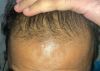
The conversation discusses the possibility and safety of adding minoxidil sulfate to mesotherapy with dutasteride. Users are inquiring if anyone has tried this combination.
A 22-year-old is using dutasteride and oral minoxidil for hair loss but is not seeing improvements and is considering adding pyrilumatide and microneedling. Suggestions include trying topical minoxidil, microneedling, and Nizoral shampoo, with a possible future hair transplant.
The user has been using finasteride for seven months and oral minoxidil for two months, along with redensyl serum and GFC sessions, but is not seeing improvement in hair loss. They are feeling helpless and questioning if they are a non-responder to the treatments.
Someone asked if Stemoxydine is effective for hair loss and if it improves hair growth or thickness. They also requested safe purchasing sources due to concerns about counterfeit products.
A 24-year-old male has been using oral Finasteride 1mg/day for 6 months and nanoxidil for 10 months, recently switching to oral Minoxidil 2.5mg daily, with no progress. Suggestions include getting a scalp biopsy, consulting a dermatologist, and possibly trying higher doses of oral Minoxidil or switching to dutasteride.
A 21-year-old male has been using minoxidil and 0.5 mg dutasteride for hair loss but is experiencing worsening hairline and thinning. He is considering increasing dutasteride dosage, adding finasteride, or waiting before opting for a hair transplant.
The user has been using a topical combination of finasteride, minoxidil, and dermastamping for three months to address hair loss. They are considering adding tretinoin and are discussing the effectiveness of topical versus oral treatments.
User "Ant1pal" shares progress pictures of hair regrowth using Minoxidil, Estradiol valerate, and Spironolactone. Users discuss potential side effects and the possibility of localizing estrogen to hair follicles for better treatment.
GHK-Cu is a potent inhibitor of the type 1 5-alpha reductase enzyme in hair follicles, which may reduce hair loss without the side effects associated with type 2 5-alpha reductase inhibitors. The user previously experienced side effects with 5-alpha reductase inhibitors and is considering GHK-Cu as an alternative.
The user is using finasteride (1 mg daily), topical minoxidil, and microneedling with a derma stamp for hair loss. They reported shedding stopped and new hair growth appeared after a few months, with no side effects.
User shared 13 months of progress using finasteride, microneedling, vitamins, and scalp care, and recently started stemoxydine. The post includes before and after photos.
A user has been using Stemoxydine (Kerastase Cure Densifique) along with finasteride, rogaine 5% foam, nizoral, and revian red lllt for hair loss but needs a new Stemoxydine product since Kerastase discontinued theirs. They are seeking recommendations for a similar alternative.
Minoxidil's effectiveness varies due to genetic differences in the SULT1A1 enzyme, affecting how well it converts to its active form, minoxidil sulfate. Hyper-responders may experience rapid hair growth and increased side effects, such as pericardial effusion, even at low doses.
A user experiencing diffuse thinning at the hairline after 12 months on finasteride is considering adding minoxidil, dutasteride, or RU58841 to their treatment. Another user suggests adding minoxidil now, holding off on dutasteride, and shares personal side effects from RU58841.
The user has been on finasteride for 5-6 years but is experiencing diffuse thinning and considering adding minoxidil. They are cautious about increasing the finasteride dosage due to side effects and are exploring if minoxidil can help when finasteride's effectiveness decreases.
Koshine is considered less effective than finasteride, dutasteride, and RU58841 for hair loss treatment. One user reported positive results with Koshine, but others found it ineffective.
A user shared their experience with finasteride, noting improved hair thickness but reduced libido and erection issues. They stopped finasteride, saw a return of libido but also rapid hair loss, and are now considering using Cialis to manage sexual side effects while on finasteride.
MaximusDurkimus shares experience with 0.25mg Finasteride, Minoxidil-induced lupus, and less than 10mg RU58841 for hair loss. Plans to try 0.025% topical Finasteride with 5% Stemoxydine and possibly Tretinoin, Fluridil, or CB-03-01 in the future.
The conversation is about adjusting the dosage of topical Finasteride to avoid side effects like chest pain and breast swelling. The user is considering reducing the concentration to 0.1% or trying microdosing with 0.01-0.025% for lower systemic effects.
Oral minoxidil is effective for hair loss but may cause side effects like increased heart rate and edema. Finasteride is recommended, with dutasteride as an alternative if needed.
The user has been using minoxidil and finasteride for 7.5 months to address hair thinning, particularly at the crown and temples, and is considering additional treatments like tretinoin and dermastamping despite having chronic scalp folliculitis. They are experiencing progress but are concerned about side effects and the effectiveness of treatments on temple regrowth.
The conversation is about comparing the effectiveness of fluridil and clascoterone in preventing hair loss and inquiring about their use as standalone treatments. There is a question about the concentration of the fluridil brand for efficacy.
A 22-year-old is experiencing severe hair loss and questions the effectiveness of topical Minoxidil, considering that they might be a non-responder. They have recently increased the dosage and are not using Finasteride, while also using a 0.5 mm derma stamp.
The conversation discusses using topical dutasteride from minoxidilmax for hair loss and the possibility of crowdfunding for DHT blood tests to check if the treatment goes systemic. The user plans to post before and after pictures.
Dutasteride may reduce bone mineral density, but there's no increased risk of osteoporosis or fractures compared to finasteride. Users suggest resistance training to counter potential bone effects.
The user has been losing hair since age 12 and is now starting treatment with 0.5 mg dutasteride and 2.5 mg minoxidil at age 29. They have also experienced dandruff and have a thinning crown.
The user feels discouraged after three months of microneedling with no visible hair regrowth, despite using 5% topical minoxidil and 200mg of spironolactone. Others suggest waiting 12 months for results, checking vitamin D levels, and considering tretinoin or tazarotene cream instead of microneedling.