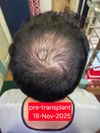
A user's two month update on their hair loss journey and the treatments they are trying, which include exosome injections, minoxidil, finasteride, and RU58841.
New hair loss treatment called scube3 discussed with mixed opinions. Concerns about pharmaceutical companies preferring repetitive treatments over cures due to profit.
Vitamin D tests like D2, D3, and 25-hydroxyvitamin D are discussed before starting hair treatment. Vitamin D can be obtained from food, but overdose has side effects.
PP405 shows promise in treating severe hair loss, with 31% of users experiencing over 20% hair density increase in four weeks, faster than minoxidil and finasteride. Some users are skeptical about the results' significance and long-term efficacy.
A human trial involving the use of Verteporfin as a treatment for hair loss, which has been ongoing for 119 days with an update on its progress. Treatments such as Minoxidil, Finasteride and RU58841 have also been discussed.
The user was rejected from participating in a clinical trial for an extended-release oral Minoxidil due to having rheumatoid arthritis, despite initially being accepted. They had stopped using Dutasteride and Minoxidil to qualify but continued using other treatments like RU58841 and red light therapy.
OP used a finasteride and minoxidil topical spray from HIMS for 11 months with positive results and no side effects. Users discussed the effectiveness, dosages, and alternatives, with many congratulating OP on the impressive progress.
Phase II for TDM-105795 for Androgenic Alopecia is set to begin in April 2023. The study aims to evaluate the efficacy and safety of TDM-105795 in male subjects.
The efficacy of degrading the androgen receptor through dermal application in DP cells, a delivery system for topical drugs that involves dissolving microneedles, and rosemary oil as an alternative anti-androgen.
A user inquired about purchasing KX-826 for hair loss if approved in China. Another user provided links to purchase it without waiting for U.S. approval.
The conversation discusses skepticism about group buys for hair loss treatments, highlighting issues with unverified chemicals and the risks involved. It suggests stabilizing with dutasteride and minoxidil, and considering a hair transplant instead of experimenting with untested products.
The conversation discusses skepticism about a new hair loss treatment called project K, which claims to replicate a chemical from UCLA research but is suspected to be a scam. The original poster plans to continue using oral minoxidil, finasteride, and dutasteride, along with microneedling, for hair regrowth.
A user shared their positive hair transplant results after 19 months without using finasteride or minoxidil, only vitamins. Some responses suggest concern over future hair loss without prevention treatments, while others congratulate or express jealousy.
RU58841 users report mixed results, with some experiencing no benefits and others noting regrowth but potential side effects. Many prefer finasteride and minoxidil due to better-studied safety profiles.
The conversation is about the anticipated results of Pelage's Phase 2a clinical trial for their topical hair loss treatment, PP405. Users speculate on when the results will be available, noting that delays might indicate less successful outcomes.
The user started finasteride at 0.25 mg daily, using Nizoral 1-2 times per week, and microneedling once a week for hair loss. They hope to see positive results and share progress in a few months.
Trying out a new exosome treatment for male pattern baldness, in addition to increasing vitamin intake and using existing treatments such as Nizoral and scalp drops. The user has no expectations that the new treatment will work but is giving it a try anyway.
The conversation discusses hair loss treatments, specifically Minoxidil, finasteride, and RU58841. It also mentions a new hair transplant therapy approved by the government.
The user has been using a finasteride and minoxidil combo spray from Hims for four months, with positive results and no side effects. They apply four sprays nightly, targeting the crown and front of the scalp.
Extended-release oral minoxidil (VDPHL01) shows promising results for hair growth with improved safety, achieving significant hair count increases and minimal side effects compared to placebo. The treatment is designed to maintain effective concentrations while reducing side effects, making it a safer option for those who cannot tolerate standard minoxidil.
GT20029 shows promise as a topical treatment for hair loss, potentially replacing finasteride for some due to its low systemic exposure and ability to degrade androgen receptors. However, skepticism remains about its long-term efficacy and availability, with some users expressing doubt about new treatments consistently failing to reach the market.
A new serum claims to enhance hair regrowth by amplifying oxygen delivery, improving the effectiveness of treatments like exosomes and peptides. Users are skeptical, questioning its efficacy compared to established treatments like Minoxidil and Finasteride.
Current hair loss treatments include finasteride, dutasteride, minoxidil, and derma rolling. New treatments like TDM-105795, GT20029, and others show promise but require more testing and time before approval.
Scientists discovered a new T cell treatment that could regrow hair. Users are skeptical but hopeful, with some relying on finasteride and minoxidil in the meantime.
Breezula® (Clascoterone) showed promising results in a Phase 2 trial for treating hair loss, being as effective as Propecia with no serious side effects. It might be released between 2021-2022, and a related acne treatment with the same active ingredient could be used in the meantime.
A 30-year-old with diffuse thinning and a balding crown is using a treatment regimen of a 2-in-1 pill containing finasteride, minoxidil, and biotin, along with various supplements. After two weeks, no side effects have been experienced, and updates with pictures will be posted monthly.
KX-826, Breezula, PP405, and Stemson are potential future treatments for hair loss, with varying timelines and mechanisms like blocking DHT and stem cell activation. Users express skepticism about the timeline and mention current options like hair transplants and minoxidil.
Minoxidil, finasteride, and RU58841 are discussed as treatments for hair loss. Concerns about AI-generated content accuracy and misinformation are raised.