Hair loss is linked to cellular physiology and the IGF-1 to TGF-B1 ratio, not just androgen sensitivity. The theory lacks evidence, while finasteride and minoxidil are effective treatments.
A user shared their satisfaction with a hair transplant done by Dr. Jimmy Cortez at Capilar Hair Center, but others in the conversation questioned the authenticity of the results, suspecting the use of hair fibers and deceptive advertising. Some found the hairline natural-looking, while others criticized it as artificial or unnecessary.
A 27-year-old seeking affordable hair transplant clinics, particularly in Mexico, after using finasteride for years. Recommendations for Dr. Nader and Dr. Cortez were mentioned.
The user started using topical minoxidil 5% and ketoconazole shampoo for hair loss, noticing minimal progress after three months, with fine hairs appearing. They experienced a setback when reducing the application to once a day but resumed twice daily applications.
A user has been on oral Finasteride/Proscar for 15 years and started using topical Minoxidil, RU58841, and Dutasteride, along with microneedling, 2 years ago. They shared progress pictures and discussed their treatment routine.
A user is frustrated about early balding despite older male relatives retaining hair into old age. Another user plans to start finasteride soon to address their hair thinning.
The user has been using finasteride and minoxidil for hair loss for 2 years and started microneedling, now considering a hair transplant in Mexico. Suggestions include trying dutasteride, oral minoxidil, and various opinions on hair transplant locations and the user's current hair condition.
The user experienced significant hair regrowth after three months of using 5 mg oral minoxidil nightly and plans to add finasteride to maintain progress. Many recommend combining minoxidil with finasteride or dutasteride to prevent future hair loss.
A user shared their 10.5-month progress using oral finasteride, topical minoxidil, a derma roller, biotin, and Omega 3, despite losing over 150 hairs daily. They also mentioned starting "bald showers" after leg workouts for the last two months.
Finasteride can reduce neuroactive steroids, causing side effects like depression, anxiety, and sexual dysfunction. Some users experience persistent symptoms after stopping finasteride, while others use alternative treatments like topical solutions.
The conclusion of this conversation is that the user experienced hair regrowth and increased overall hair thickness after using dutasteride and derma pen treatments for 5 years. They did not experience any side effects.
Inflammation plays a significant role in hair follicle miniaturization and androgenetic alopecia, with treatments like ketoconazole shampoo, minoxidil, and finasteride being used to address it. Users discuss the benefits of anti-inflammatory treatments and peptides like KPV, alongside traditional hair loss treatments, to improve scalp health and hair quality.
A 31-year-old Australian had a successful hair transplant in Turkey for $10,000 AUD, using minoxidil and finasteride to combat hair loss. He now has a full head of hair, increased confidence, and continues using finasteride with occasional minoxidil.
A 24-year-old reported new hair growth on temples after 3.5 months of using topical minoxidil without shedding. They plan to add finasteride to maintain progress, as minoxidil alone may not be enough long-term.
A user had a positive experience with affordable FUE hair transplants at Harmony Clinic in Cancun, Mexico, noting professionalism and good results despite minor issues. The clinic advised against using Minoxidil and Finasteride, and the user was satisfied with the initial results, planning to update progress at 12 months post-op.
A user is joining a clinical trial for Clascoterone, a drug approved for acne but being tested for hair loss. They previously tried finasteride with limited success and plan to share updates on their experience with the new treatment.
A user experienced androgenic alopecia starting at the vertex without frontal hairline recession and is seeking information on this pattern. Another user noted that vertex or diffuse hair loss is common among men.
Corticosterone inhibits GAS6, affecting hair follicle stem-cell activity, with potential implications for stress-related hair loss. Ashwagandha and Vitamin K are suggested for reducing cortisol, but their effectiveness is debated.
A potential non-invasive topical treatment targeting the WNT Signaling Pathway for hair regeneration is being researched, with positive results on human hair follicle cells. Current effective treatments for hair loss include Minoxidil, finasteride, and hair transplantation.
Why the top of the head is affected by hair loss more than other areas, and treatments such as surgery, medications like minoxidil, finasteride, and RU58841 to treat it.
The conversation discusses hair loss, with users suggesting treatments like ketoconazole shampoo, finasteride, and dutasteride. Symptoms like burning and tenderness are mentioned, with recommendations to see a dermatologist for potential scarring alopecia.
Scalp tension from the occipitalis muscle is theorized to contribute to hair loss, but most believe DHT and genetics are the main causes. Treatments like finasteride and minoxidil are considered more effective than addressing scalp tension.
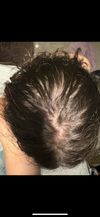
The user is considering using topical finasteride for thinning hair around the middle part, vertex, and crown, and is unsure if the whole scalp is thinning. Another user suggests oral finasteride is more effective than topical, and recommends consulting a dermatologist for proper treatment.
User shared progress pictures of hair regrowth on the crown/vertex after a transplant and using finasteride, Minoxidil foam, and a dermapen. They hope to fully regrow or increase density in the crown area.
Hair follicle stem cells remain in bald individuals, but progenitor cells do not, raising questions about hair regrowth claims by Pelage. PP405 is discussed as a potential treatment, with skepticism about its effectiveness compared to existing treatments like Minoxidil and Finasteride.