TWIST-1 gene's role in hair loss and potential as a treatment target. Inhibiting TWIST-1 may prolong hair growth and reduce hair follicle sensitivity to DHT.
The conversation discusses a hair loss treatment involving a hair transplant of approximately 2500 grafts to the frontal area, daily use of finasteride, twice-daily topical minoxidil, and daily caffeine shampoo since the hair transplant procedure. One person is skeptical about the improvement in the crown area with just finasteride and minoxidil.
The post discusses the use of latanoprost foam for hair growth, with the user expressing concerns about its efficiency and safety. The user is currently using topical dutasteride, which maintains their hair but doesn't promote regrowth, and is seeking a product that doesn't affect hormone levels.
The user is on their 5th week of using pyrilutamide for hair loss without experiencing side effects and has noticed slight hair growth. They also use minoxidil with finasteride and dutasteride as part of their treatment regimen.
The conversation is about a female seeking advice on using bicalutamide for female pattern hair loss (FPHL) and considering switching from pumpkin seed oil pills to a stronger treatment. She is looking for dosage information to discuss with her dermatologist.
The conversation is about a person considering participating in a study for Clascoterone, a topical cream for hair loss, and seeking advice on potential side effects. They have mild hair loss and are not currently using other treatments like finasteride.
The user is concerned about the interaction between dutasteride and ketoconazole, leading them to stop using ketoconazole shampoo, which has resulted in an oily and painful scalp. They are unsure whether ketoconazole increases or decreases the potency of dutasteride.
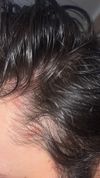
The user is experiencing scalp irritation and hair thinning, possibly due to stress, with red patches on the face and dry skin. They are considering seeing a dermatologist and have used tea tree and rosemary oil.
An 18-year-old is using a high-dose hair loss treatment regimen including finasteride, minoxidil, dutasteride, and plans to add RU58841 and bimatoprost, despite warnings from others about the risks. The user is determined to reverse hair loss but acknowledges the potential dangers and does not recommend others follow their approach.
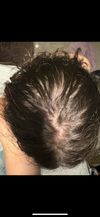
The user is considering using topical finasteride for thinning hair around the middle part, vertex, and crown, and is unsure if the whole scalp is thinning. Another user suggests oral finasteride is more effective than topical, and recommends consulting a dermatologist for proper treatment.
The conversation is about a user switching to a more aggressive hair loss treatment, adding dutasteride 0.5mg and oral minoxidil 2.5mg to their current regimen of finasteride 0.02%, minoxidil 5%, biotin, massages, and microneedling. Users suggest increasing finasteride dosage and caution about potential side effects of oral minoxidil.
Breezula® (Clascoterone) showed promising results in a Phase 2 trial for treating hair loss, being as effective as Propecia with no serious side effects. It might be released between 2021-2022, and a related acne treatment with the same active ingredient could be used in the meantime.
A treatment showed a 20% hair density increase in weeks, with nearly a third of participants experiencing significant results, while questions remain about its long-term efficacy and effectiveness across different scalp areas. There is interest in combining it with finasteride and minoxidil for potentially better outcomes.
The conversation is about whether to use gloves when applying 5% RU58841 to avoid systemic absorption and if washing hands with water is sufficient. Users question the concern, noting it is applied to the scalp.
The user experienced increased hair loss and scalp itchiness despite using finasteride and plans to resume minoxidil and start microneedling. They are considering using clay, Aveda thickening tonic, and a beanie to manage the appearance of thinning hair.
The user has been using 0.5 mg Dutasteride daily for 7 months, along with minoxidil and ketoconazole shampoo, and is unsure about hair regrowth progress. Other users note some improvement and encourage patience.
The user noticed temple recession and front thinning. Their treatment includes microneedling, topical minoxidil and finasteride, biotin, zinc, selenium, vitamin D3, rosemary oil, and specific shampoos.
The conversation is about a group of people trying KX-826 for hair loss, with no serious side effects reported after 25 days of use. Some participants are experiencing less scalp itch and shedding, but it's too early for definitive results.
The user is excited about starting Clascoterone 5% for hair loss, a DHT blocker, and expects better results when combined with Minoxidil. The prescription costs $199 for 30 ml or $353 for 60 ml, and the user plans to cover the cost by driving for Uber.
KX-826 is being considered as a potential alternative to finasteride for hair loss, but it is not expected to be more effective. Combining KX-826 with finasteride and minoxidil may provide better results than using it alone.
The conversation is about a user obtaining a compounded treatment for hair loss, including 0.1% latanoprost, 0.2% melatonin, and 1% cetirizine. The user also uses 2.5 mg dutasteride, 5 mg minoxidil, and RU58841 daily, and is at Norwood 2.
A 25-year-old with aggressive diffuse NW5 hair loss is using Minoxidil, oral Finasteride, RU58841, Ketoconazole, and dermastamping, experiencing slow progress and mental health struggles. Despite some visible regrowth, the user feels discouraged due to ongoing hair loss and is seeking reassurance and advice.
Pyrilutamide is believed to be more effective than RU58841 and 1 mg finasteride in treating hair loss, with no systemic hormonal effects and the potential to block more than 31% of scalp DHT. It may also antagonize scalp testosterone due to its action as an androgen receptor antagonist.
The conversation is a satirical expression of frustration over hair loss, mentioning treatments like spironolactone, microneedling, and topical applications, with references to various hair loss products and personalities in the community.
People's experiences with Pyrilutamide as a hair loss treatment, including anecdotal evidence of regrowth and reduced scalp itch when used in conjunction with Finasteride and Minoxidil.
A user who is using Pyrilutamide, Finasteride, and a homemade topical solution to treat their hair loss. Replies mentioned the potential of Pyrilutamide being a "cure" for hair loss and a reminder that results may not be credited solely to it.
The user is using biotin, pumpkin seed oil, saw palmetto, green tea, Minoxidil, Nizoral shampoo, and derma rolling to combat hair loss but is hesitant to use finasteride due to potential side effects. Others suggest that without finasteride or dutasteride, the natural approach is unlikely to be effective long-term.
Staying positive and managing stress may slow hair loss, but treatments like finasteride, minoxidil, and dutasteride are essential for managing male pattern baldness. Stress can accelerate hair loss, but genetics play a significant role, and early treatment is crucial.