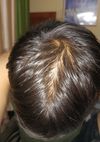
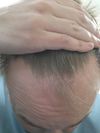
A 16-year-old has been using Minoxidil for a year, which initially worked but is now less effective as hair loss continues. They are concerned about ongoing hair loss and are unable to use finasteride.
An 18-year-old is experiencing positive hair regrowth results using 2.5mg minoxidil, 0.5mg finasteride daily, and dermarolling twice a week. They are satisfied with the progress and hope for continued improvement.
A 25-year-old male has been using 5% Minoxidil, 1.25 mg Finasteride, and weekly microneedling for hair loss but sees no improvement after a year. Despite a healthy lifestyle, his hairline continues to recede, and he seeks advice.
The user has been using oral Minoxidil and Finasteride for hair loss, with some noticing slight regrowth, particularly baby hairs, but overall progress is unclear. Suggestions include continuing the current treatment, considering a hair transplant, or trying additional therapies like topical treatments or laser therapy.
The user has been using oral finasteride, minoxidil, and supplements for six months with some progress in hair loss treatment. They are considering a hair transplant and have been advised to continue the current regimen for 12-18 months, possibly adding microneedling or trying dutasteride.
A 44-year-old man has been using finasteride 1mg daily and minoxidil 5% foam for 19 months to address hair loss, with mixed results and continued shedding. Suggestions include trying oral minoxidil, microneedling, and possibly a hair transplant for better cosmetic density.
A 24-year-old male started using 1 mg finasteride and topical minoxidil for hair loss in February 2025. By June 2025, he noticed improvement in his right temple but experienced thinning at the crown and continued shedding.
After 8 months on finasteride, the user experiences increased hair shedding and thinning, despite also using minoxidil and microneedling. They consider switching to dutasteride but decide to continue the current regimen for a year before reassessing.
Dutasteride and minoxidil initially stopped hair loss, but a minoxidil allergy led to hair thinning. Alternatives suggested include oral minoxidil, microneedling, and ketoconazole shampoo while continuing dutasteride.
A 22-year-old male is switching from topical to oral minoxidil due to limited results with topical use, while continuing oral finasteride and considering side effects. Users discuss experiences with oral minoxidil, noting potential side effects like swelling and headaches, but also its effectiveness compared to topical treatments.
The user experienced significant hair regrowth using 0.5 mg Dutasteride and 5 mg Minoxidil daily for almost 8 months, with noticeable improvements despite initial shedding. They reported no side effects other than hair growth and plan to continue the treatment.
The conversation discusses skepticism about a new hair loss treatment called project K, which claims to replicate a chemical from UCLA research but is suspected to be a scam. The original poster plans to continue using oral minoxidil, finasteride, and dutasteride, along with microneedling, for hair regrowth.
The user shared their hair loss progress over a few months using minoxidil, finasteride, RU58841, and microneedling. They reported reduced hair loss and plan to continue their routine, possibly increasing dosages gradually.
The user has been using oral minoxidil, finasteride, and ketoconazole for hair loss but feels their condition has worsened over six months. They are considering whether to continue with the current treatment or try additional methods.
A 20-year-old diffuse thinner has been using finasteride for 8 months and is considering adding minoxidil to their routine. A user suggests incorporating minoxidil for quicker regrowth, despite the hassle of daily application, while continuing finasteride.
A 14-year-old experiencing hair loss is seeking advice after using minoxidil and derma stamping without noticeable results. They are advised to continue using minoxidil, as it may take time to show effects.
The user experienced significant hair regrowth using finasteride, minoxidil, and microneedling, with plans to continue treatment. They are pleased with the results, noting increased hair density and a restored hairline.
A 23-year-old male shares a one-year update on using 1mg finasteride and 5% minoxidil daily for hair regrowth, recently adding Revita shampoo, 2.5mg minoxidil in the morning, and Vitamin and Zinc supplements. He plans to continue this regimen and has a hair transplant scheduled for July.
The conversation discusses using hormones like pregnenolone and tongkat ali to counteract sexual side effects from hair loss medications such as finasteride, dutasteride, ketoconazole, and minoxidil. The user stopped the other medications but continues using minoxidil while seeking advice on maintaining libido.
The user is using Minoxidil, Finasteride, Nizoral, Nutrafol supplements, and PRP sessions for hair loss treatment. They are concerned about the effectiveness of these treatments and whether they should continue or consider a hair transplant.
The user is experiencing increased thinning around the crown after starting topical Minoxidil and is considering switching from Finasteride to Dutasteride. Responses suggest the thinning might be a temporary shedding phase due to the new treatment, and it's advised to continue the current regimen and monitor progress.
A 19-year-old saw significant hair regrowth using 5% minoxidil over three months, with only initial shedding as a side effect. They plan to continue minoxidil and may add finasteride to maintain results.
A 40-year-old shared their positive experience with a second hair transplant at HDC Cyprus, involving 4148 grafts and costing around 9,000 euros. They used oral minoxidil, Dutasteride, biotin, and vitamins to aid recovery and were pleased with the results.
Developing new hair loss treatments is challenging due to the complexity and cost of trials, and a permanent cure is unlikely soon. Current treatments like Minoxidil and finasteride are used continuously because hair loss is progressive, and future possibilities include gene editing and hair cloning.
A 19-year-old male with a family history of balding is using finasteride to thicken his hair and is considering whether to add minoxidil. Users suggest continuing finasteride for several months before deciding on minoxidil.
The user has been using finasteride, minoxidil, and a derma stamp for a year with minimal noticeable hair regrowth, but others suggest there is slight improvement and recommend continuing the treatment. Some users suggest switching to dutasteride or adjusting the derma stamp technique for better results.
A 30-year-old male experienced hair shedding while using Minoxidil and Finasteride, with concerns about whether this is a normal shedding phase. Despite drastic hair loss, he continues the treatment, hoping for regrowth, and receives advice to maintain the regimen and consider lifestyle changes.
The user has been using Minoxidil and finasteride for a year, noticing initial hair regrowth but experiencing shedding recently, causing concern. Suggestions include continuing treatment, considering dutasteride, and checking for other factors like illness or nutrient deficiencies.
The user has been using 1mg of finasteride for 3.5 months and is questioning if there is hair regrowth. Others suggest it's too early to see significant results and recommend continuing the treatment, with some suggesting adding oral minoxidil for better results.
A 27-year-old male has been using finasteride for six years and recently started oral minoxidil to address hair loss, experiencing some side effects like lightheadedness. He is considering shaving his head or a hair transplant while continuing his current treatments.