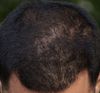
Using Megatek with minoxidil significantly increases hair growth, especially vellus hairs, but is less effective alone. Biotin and ketoconazole shampoo are also used to support hair health.
Scalp tension potentially affecting hair loss, and potential treatments for male pattern baldness such as Minoxidil, Finasteride and RU58841. Evidence from a study was discussed which suggests that the cause of MPB lies within the follicle itself and is not dependent on its surrounding environment.
OP noticed fuller and thicker hair after almost 4 months of using GHK-Cu, a copper-binding peptide, through subcutaneous injections. Some users were skeptical, questioning the authenticity and potential commercial intent behind the post.
Topical sodium valproate may promote hair growth by inhibiting GSK3β, allowing beta-catenin to proliferate, but it has potential side effects and requires more research. The conversation also mentions skepticism about a product called Vdphlo1, which includes sodium valproate and other ingredients.
The user reports significant hair regrowth using a topical solution of 5% minoxidil and 0.1% finasteride twice daily, along with derma rolling twice a week. They have not experienced shedding and are optimistic about continued hair growth.
The user has been using oral finasteride, topical minoxidil, a derma roller, and root activating shampoo for hair regrowth, seeing positive results without side effects. They apply minoxidil after using a 1.5mm derma roller and are considering switching to ketoconazole shampoo.
The user is concerned about hair loss, particularly at the crown, and is using topical finasteride and ketoconazole shampoo but avoids minoxidil due to side effects. Opinions vary, with some suggesting the hair looks worse, while others see no change or slight improvement; additional treatments like oral finasteride and micro-needling are suggested.
The conversation discusses a person's experience with hair loss treatments, including 7 months of using finasteride and minoxidil, switching to oral minoxidil, using ketoconazole shampoo, and microneedling. They notice hair regrowth more with flash photography than in regular light.
The user reports using topical minoxidil 6% and finasteride 0.05% once daily, along with microneedling, vitamins, biotin, and nizoral shampoo. They recently increased minoxidil and finasteride to twice daily and feel their hair is thicker but are unsure about regrowth.
The user experienced significant hair regrowth using 1mg finasteride every other day, 5% minoxidil twice daily, and ketoconazole shampoo. The progress was noted as impressive, with some users questioning the authenticity of the results.
The user has chronic itchy scalp and dandruff, unresponsive to ketoconazole, selenium sulfide, zinc pyrithione, coal tar, and salicylic acid. Topical steroids were also ineffective for long-term use.
A user claims to have reversed baldness, possibly due to telogen effluvium recovery after weight loss. Others discuss the potential success of using GHK-Cu for hair regrowth.
A user who has been using the "Big 3" hair loss treatments (ketoconazole, minoxidil and finasteride) for 2-3 months and is hoping to see positive results. The other user commented that they look like a hyper responder and asked if they were using oral or topical fin/min.
The user "dsx460" shared their progress pictures of hair regrowth using a combination of topical finasteride, minoxidil, microneedling, and a keto diet. They are happy with the progress and hope for further improvement.
A user is creating a custom topical hair regrowth serum using minoxidil, bimatoprost, tretinoin, castor oil, and hyaluronic acid. They are also using dutasteride, oral minoxidil, and castor oil in their current regimen.
The user is experiencing hair regrowth in small clusters using oral minoxidil, oral finasteride, a red light cap, and Nizoral 2% shampoo. They are hopeful for continued improvement and thicker hair.
The user is experiencing hairline thinning despite using finasteride, minoxidil (solution and foam), dermastamping, and tretinoin. They suspect minoxidil or tretinoin might be causing the issue but are unsure.
The user is frustrated with no hair growth despite using Finasteride, Minoxidil, Ketoconazole, derma rolling, head massages, Biotin, collagen supplements, multivitamins, and drinking a gallon of water daily. Another user mentioned that the original poster had previously reported significant progress.
Hair loss discussion with a focus on a single resilient hair, jokingly called "chad hair," that remains despite hairline receding. Some users suggest microneedling and hair follicle cloning as potential treatments.
Follicum discovered that their drug FOL-005 increased hair count by 12 hairs per cm2 in patients with less than 255 hairs per cm2 and is planning a phase 2b trial. They are currently fundraising for the trial, and the drug may also be effective for women.
Hair loss can be treated by correcting glucose metabolism in hair follicles and using equol as a safer DHT blocker. Production of these treatments is starting soon, and a Discord channel is available for more information.
Kintor Pharma successfully dosed the first patient in a Phase II trial for KX-826 for acne vulgaris. Users are more interested in results for male pattern baldness (MPB).
A user's progress pictures showing visible hair growth results from taking Finast and Minoxidil, as well as using microneedling, Nizoral, and a multi peptide serum for hair density. The conversation also discussed how DHT is the cause of diffuse thinning.
The user is experiencing a strange hair loss pattern despite using dutasteride for 3 years and minoxidil with tretinoin for 1.5 years. They recently added microneedling and are considering a scalp biopsy to understand the cause.
The conversation discusses how Caucasian men are more likely to experience hair loss due to genetic predisposition, with factors like the androgen receptor on the X chromosome playing a significant role. The user also expresses confusion about the evolutionary reasons for hair loss, especially in colder climates where it would seem beneficial to retain hair for warmth.
The conversation discusses the difficulty of applying tretinoin 0.025% cream on the scalp and considers switching to a gel for easier application. It also mentions that a liquid solution, ideally combined with minoxidil, may be more effective for hair treatment.
Treatments for hair loss, such as topical minoxidil, platelet-rich plasma therapy with or without minoxidil, ketoconazole, non-abative radio frequency, natural products, finasteride and cortexolone 17 alpha propionate. The post evaluates the efficacy and safety of these treatments in various studies.
A 16-year-old experiencing hair thinning noticed a shift from shedding long hairs to shorter hairs, while using Vitamin D, biotin supplements, ketoconazole shampoo, and improving diet. They are questioning if the short hairs indicate regrowth or androgenetic alopecia (AGA).
A 28-year-old woman with genetic hair loss has tried various treatments, including oral minoxidil, finasteride, dutasteride, vitamins, ketoconazole shampoo, exosome needling, and hair extensions. She plans to pause treatments for pregnancy and is concerned about potential hair loss during that time.
The individual has seen hair regrowth over a period of 1 year and 4 months using 1mg finasteride daily, minoxidil foam twice daily, ketoconazole shampoo, thick fix shampoo and conditioner, saw palmetto, biotin, keratin, and dermarolling. They are pleased with the results and no longer feel overwhelmed by hair loss.