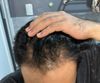
A user received a custom topical treatment for hair loss from Rootsbyga, which includes minoxidil and possibly other ingredients to enhance its effectiveness. The initial test cost $120, and the monthly topical costs around $70, with concerns about long-term use of steroids like hydrocortisone.
The user applies a topical solution containing minoxidil, finasteride, dutasteride, retinoic acid, and hydrocortisone to address scalp inflammation and is considering adding cetirizine to the mix. They are calculating the correct amount of cetirizine to add to their formula and have paused this approach to retry oral minoxidil.
Shedding stopped for a user after trying various hair loss treatments without success, including Propecia and Minoxidil. The improvement occurred after starting CB (possibly a hair loss treatment), Eucapil, natural sprays with rosemary and cloves, and regular sauna visits.
User shared progress pictures of hair regrowth using topical Minoxidil, oral Finasteride (later switched to topical), keto shampoo, biotin supplements, and dermarolling. Hairline improved slightly, considering a hair transplant for further results.
The user is experiencing hair shedding after using a multipeptide hair growth serum and is concerned about losing baby hair. They are questioning whether they should stop using the serum due to this shedding.
Finasteride is key for hair regrowth, supported by oral/topical minoxidil, Folexin, Nizoral/Head & Shoulders, and vitamin D. No side effects experienced; early intervention and patience are crucial.
A 20-year-old experiencing hair thinning became depressed and sought treatment. The new dermatologist prescribed a routine including topical minoxidil, finasteride, derma stamping, Nizoral shampoo, rosemary oil, and scalp massages.
The "Big 3 Stack" for hair loss treatment, which includes Minoxidil for hair density improvement, Ketoconazole shampoo for enhancing hair volume and thickness, and Finasteride for blocking hair loss causing hormones. Microneedling can boost Minoxidil's effects.
The user is experimenting with a zinc sulfate and B6 topical solution called "Zix" for hair loss, alongside using a zinc oxide scalp mask and low-level laser therapy (LLLT). They report minimal hair loss after three months of use and are seeking feedback from others who have tried similar treatments.
Addressing hair loss by focusing on posture, blood flow, and craniofacial development. Methods include improving posture, cardiovascular activity, scalp massages, healthy diet, meditation, using minoxidil, and addressing craniofacial issues.
A user shared their aggressive hair loss treatment regimen, which includes daily use of Avodart (dutasteride) and Minoxidil, bi-weekly use of Davines Purifying shampoo, and almost daily use of Ducray Anaphase+ shampoo, along with supplements like vitamin D3, collagen, biotin, and zinc. They also use a dermastamp every 10 days and are considering a hair transplant for increased density, followed by a switch to finasteride and Minoxidil foam.
The conversation discusses the effectiveness of various supplements for hair loss, with some users suggesting higher doses of Zinc and Vitamin C, while others recommend additional supplements like Saw Palmetto and Omega-3. It is concluded that multi-vitamins are often ineffective unless there is a deficiency, and excessive intake can harm hair follicles.
The user is experiencing positive hair regrowth results after 3 months using finasteride and minoxidil both orally and topically, along with biotin and ketoconazole. They also use a shampoo containing caffeine and biotin.
A user shared their positive 3-month hair regrowth results using a 3-in-1 pill containing finasteride, minoxidil, and biotin, with no side effects. They also started microneedling, Nizoral, and caffeine shampoo to enhance growth.
User discusses tight scalp causing hair loss and suggests treatments like scalp massages, PRP, saw palmetto, and eucapil. They share their experience with saw palmetto and eucapil and consider adding PRP and scalp massages for better results.
A new topical medication, Clascoterone, shows promise for hair loss, improving hair count significantly. Trials for Breezula are ending, but sign-ups for PP405 trials are available for 2026.
The user "Venom7337" shared their progress with hair loss, mentioning the treatments they used: Dutasteride, Minoxidil, and Ketoconazole shampoo. They hope to see further improvement in hair density and hairline.
User reports 12-week progress with HIMS spray, Minoxidil, micro-needling, and biotin. Notable baby hairs on crown and temples, hoping for further improvement.
Betnovate and mometasone furoate were tried for scalp issues, but Zoryve and Selsun shampoo were recommended for relief. Itraconazole was suggested for stronger treatment if topicals fail.
Using a daily hair spray with 0.3% finasteride, 7% minoxidil, 2% ketoconazole, and biotin, along with a 1% ketoconazole shampoo once or twice a week, may be excessive according to the product's recommendations. The user is unsure about this regimen for treating androgenetic alopecia (AGA).
A 22-year-old male is experiencing hair loss and has been using topical minoxidil and anti-dandruff shampoo for six months without improvement. Suggestions include adding finasteride to the routine and considering treatments for potential scalp issues like seborrheic dermatitis.
The user is using minoxidil, finasteride, Nizoral 2%, and microneedling for hair loss but finds Nizoral drying. They seek affordable shampoo and conditioner recommendations, with one reply suggesting baby shampoo for non-Nizoral days.
Hair systems require frequent maintenance and can be costly, but a DIY approach with bi-weekly changes can help manage these issues. Minoxidil and finasteride were tried but not consistently used due to side effects and personal preferences.
The user is using topical finasteride 0.1%, minoxidil 5% twice daily, red light therapy, a multi-peptide serum, and a weekly oil hair mask with various oils and ingredients. They also use ketoconazole shampoo, condition their hair, and microneedle with a dermapen, seeking advice on any changes to their routine.
A rigorous and extensive regimen for hair regrowth, including oral and topical minoxidil, finasteride, dutasteride, RU58841, various oils, supplements, and lifestyle changes, is discussed with skepticism and humor. The consensus is that such an extreme routine is impractical and potentially harmful, with no guaranteed results.
A user shared their boyfriend's hair progress after using topical minoxidil 5%, oral finasteride 1 mg, supplements, rosemary scalp pre-wash, ketoconazole shampoo, red light therapy, and PRP sessions. The user plans to start dermarolling in January and has noticed significant improvement in hair density.
The conversation is about a person's hair loss treatment regimen, which includes Minoxidil, low-dose Finasteride, Pyrilutamide, weekly use of a derma roller, and hair loss shampoo. They chose these treatments to minimize systemic effects and plan to share their results for others' benefit.
Shampoos marketed for hair loss may not effectively prevent it, as they often focus on improving hair appearance rather than addressing underlying causes like androgenetic alopecia. Effective hair loss treatment typically requires DHT blockers like finasteride.