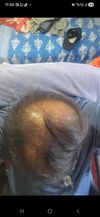
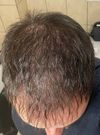
Baby hairs can mature with long-term DHT reduction, and Minoxidil can aid this process. Dutasteride mesotherapy is effective and preferable to oral pills, as it directly targets tissues.
The user reported maintaining hair with finasteride, minoxidil, microneedling, Nizoral, vitamins, and lifestyle changes over 18 months, and switched to topical finasteride due to side effects from the oral form. They also improved their microneedling technique.
The conversation discusses hair loss treatments, specifically dutasteride, oral minoxidil, and microneedling. Users inquire about side effects, brands, and suggest using topical minoxidil.
The conversation is about hair regrowth using topical finasteride, minoxidil, and keto spray, along with oral Saw Palmetto, Lustriva complex, collagen, and microneedling. Users discuss their experiences with these treatments, noting improvements in hair density and color, with some experiencing mild side effects.
The conversation discusses hair loss treatments, including the use of 2.5mg Dutasteride, 1mg Finasteride, and Minoxidil 5%, with concerns about side effects like water retention and facial changes. The user is considering alternative Minoxidil applications, such as microneedling and sublingual Minoxidil, to minimize side effects.
A 28-year-old male uses custom-compounded topical solutions with Minoxidil, Finasteride, and Tretinoin for hair loss maintenance. He seeks advice on sourcing similar solutions in Bangkok, Thailand, and whether a local prescription is needed.
The conversation discusses affordable hair loss treatments, including topical finasteride, minoxidil, tretinoin, and natural remedies like castor and peppermint oil. Specific treatments for hair loss are the focus.
User discusses hair loss and treatments, including Minoxidil, finasteride, and RU58841. Concealers like dermamatch help improve appearance of hair thickness.
The conversation is about using liposomal finasteride for hair loss treatment, highlighting its cost-effectiveness and ease of preparation. It suggests using lecithin and crushed finasteride pills to make the solution, which has shown to be significantly more effective than other topical formulations.
A 43-year-old male with advanced hair loss is experimenting with alternative treatments, including red light therapy, microneedling, scalp massages, an oil mix, and ketoconazole shampoo, after previously experiencing side effects from finasteride and minoxidil. He noticed some minor changes with red light therapy but remains skeptical about significant improvement.
Finasteride, dutasteride, and minoxidil are discussed as effective hair loss treatments, with mixed opinions on their use and side effects. The conversation highlights a divide between supporting medical treatments and accepting baldness.
The conversation discusses methods to further reduce DHT in the scalp for hair loss treatment, with users suggesting various approaches like using dutasteride, minoxidil, tretinoin, and natural supplements like pumpkin seed oil. Some users also mention using topical applications and scalp massages to enhance the effectiveness of these treatments.
The conversation is about making a topical solution from clascoterone powder, with references to using a RU58841 mixing guide for guidance. Concerns about product authenticity and bulk purchase requirements are also discussed.
The conversation discusses hair loss treatments, specifically topical finasteride and minoxidil, with users debating the effectiveness and honesty of progress pictures. Some users claim significant regrowth, while others argue about the influence of lighting and angles on perceived results.
The user is concerned about the toxicity of a homemade topical solution of minoxidil and finasteride to their new kitten and is considering replacing minoxidil with stemoxydine. Other users suggest using oral treatments, keeping the solution away from the cat, and ensuring proper hygiene.
The user is using a topical solution with finasteride, minoxidil, and other ingredients, along with a red light laser cap and dermapen, to address hair thinning. They are considering a hair transplant but are advised to try dutasteride and oral minoxidil for 12 to 18 months before deciding.
Bryan Johnson uses Dutasteride, Latanoprost, Minoxidil with Tretinoin, and other unproven treatments, while Derek uses Finasteride, Minoxidil, Nizoral, RU58841, and Castor Oil. Kevin uses Finasteride, Minoxidil, RU58841, and Alfatradiol, but is against Nizoral and microneedling, preferring Tretinoin for absorption.
A 33-year-old is using topical minoxidil, oral finasteride (1mg), a derma pen, and 0.05% tretinoin on the hairline to treat hair loss, showing progress after 2 months. They apply tretinoin in the evening with minoxidil and use a derma pen once a week at 1.5mm.
A 21-year-old is using a combination of topical finasteride, topical and oral minoxidil, a liquid multivitamin, collagen powder, liquid biotin, microneedling, and red light therapy to address hair thinning. They are cautious about side effects and unsure if their hair loss is due to DHT or past brushing habits.
The user is currently using Minoxidil foam and Dutasteride daily but still experiencing severe hair loss. They are considering adding topical Finasteride, Fluridil, Microneedling, and Tretinoin to their treatment despite the high cost and are seeking suggestions.
A user is considering switching from oral to topical treatments for hair loss due to side effects like watery semen and erectile dysfunction. They are currently using oral finasteride and minoxidil and are concerned about potential sexual side effects with topical use.
The user is considering topical Saw Palmetto or Pumpkin Seed Oil due to sensitivity to finasteride and cost issues. They also use dermastamping for Minoxidil absorption and seek advice on timing to avoid systemic absorption.
A user shared progress pictures after 6 months of using oral finasteride, minoxidil, ketoconazole, and occasional derma rolling for hair loss. Another user complimented the hair improvement but suggested a different hairstyle.
Finasteride may help users look younger by suppressing DHT, affecting skin and hair. Users also emphasize skincare, sunscreen, and lifestyle for maintaining a youthful appearance.
The user is using topical Minoxidil, finasteride, tretinoin, redensyl, and dermastamping for hair loss treatment. There is debate about the effectiveness of these treatments, with suggestions to improve photo comparisons for better assessment.
Topical finasteride as a potential alternative to oral finasteride for reducing DHT levels on the scalp with fewer side effects, and other hair loss treatments such as minoxidil.
The user is exploring alternatives to finasteride and dutasteride due to concerns about side effects, and is using rosemary and jojoba oil, ketoconazole, minoxidil, microneedling, multi-peptide serum, saw palmetto, and stinging nettle for hair loss. They are also considering CB 03 01 and spironolactone.
The post discusses the high cost of a topical hair loss treatment from Happy Head, which contains finasteride, minoxidil, retinoic acid, and hydrocortisone. The user is seeking cheaper alternatives, specifically asking if there are compounding pharmacies that can recreate the same or similar formulation.
A user was prescribed a topical treatment for hair loss including Latanoprost, Minoxidil, Dutasteride, Hydrocortisone, and Progesterone, after using an oral Minoxidil and Finasteride combo without significant results. Concerns were raised about the long-term use of hydrocortisone, with suggestions to consult a doctor regularly.