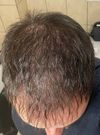
A user made a 70/30 ethanol/propylene glycol topical finasteride solution but noticed chunks at the bottom. The discussion focuses on this issue with the DIY hair loss treatment.
The conversation discusses skepticism about the effectiveness and formulation of a $10 RU58841 gel from a Korean brand, questioning if ethanol is used to hold the active compounds. Concerns are raised about the feasibility of selling it at such a low price.
OP is considering making a 5% topical Clascoterone (Breezula) for hair loss, as they use Minoxidil but can't use Finasteride due to side effects. They seek advice on creating the topical safely, possibly with help from a trained chemist.
The user is seeking a new source for RU58841 in the EU after their previous supplier stopped selling it. They mention considering Anagen, Actifolic, Minoxidilmax, and rudirect, and ask for advice on shipping within the EU and product quality, while also mentioning their current hair loss treatment involves mixing RU with Stemoxydine and Alfatradiol.
Pelage Pharmaceuticals' PP405, a new hair loss treatment, was recognized by Time Magazine as one of the best inventions of 2025. The conversation expresses optimism about the recognition of this in-development treatment.
Minoxidil, finasteride, and RU58841 are discussed as hair loss treatments. Users express skepticism about certain products, with some preferring simpler options like caffeine-based products.
The conversation discusses the possibility of creating liposomal topical finasteride at home or at a local pharmacy, questioning if it is an expensive or proprietary technology. It also mentions making topical finasteride using alcohol and propylene glycol.
Formula 82M, a minoxidil and retinol liquid, improved hair texture and filled in temples with baby hairs for the user, but its high cost and lack of reviews cause concern. Another user mentioned using a similar product, 82F, which has become less effective and expensive over time.
A user is seeking topical versions of minoxidil and finasteride in Australia that do not contain propylene glycol. They are looking for alternatives due to potential irritation from propylene glycol.
Clascoterone, a topical anti-androgen, is generating interest for potentially fewer systemic side effects. Users are curious about its effectiveness and details like concentration and duration of use.
User experienced scalp irritation from Kirkland 5% liquid minoxidil, likely due to propylene glycol. They are seeking non-PG liquid alternatives that are affordable.
Topical finasteride in a liposomal formulation reduces systemic absorption compared to ethanol solutions. The user is seeking sources for such products, noting that popular options like morr-f are not liposomal.
The user is exploring alternatives to finasteride and dutasteride due to concerns about side effects, and is using rosemary and jojoba oil, ketoconazole, minoxidil, microneedling, multi-peptide serum, saw palmetto, and stinging nettle for hair loss. They are also considering CB 03 01 and spironolactone.
The post and conversation are about a user's 6-month progress using topical dutasteride, 8% minoxidil, tretinoin, 2% ketoconazole shampoo, microneedling, oral finasteride, pumpkin seed oil, Vitamin D3, a men's multivitamin, rosemary oil, and 5% minoxidil foam for hair loss treatment.
A user is seeking recommendations for purchasing Minichek 5% solution, a PG-free minoxidil, due to a contact allergy to propylene glycol. They are looking for an affordable option comparable in price to Kirkland or Amazon brand minoxidil.
The user is exploring hair growth stimulants other than Minoxidil, mentioning Stemoxydine, various peptides, drugs like Latanoprost and Bimatoprost, and natural remedies such as Rosemary Oil and Caffeine. They express concerns about the long-term effectiveness and safety of these alternatives and seek more information on viable options for hair regrowth.
The conversation is about making homemade topical finasteride, discussing mixing it with Kirkland minoxidil and creating a solvent with alcohol, glycerin, and water. A formula suggestion includes 50% ethyl alcohol, 25% propylene glycol, and 25% distilled water.
The user discusses their hair regrowth success with minoxidil, red light therapy, massage, and derma stamping but expresses concerns about using finasteride due to potential side effects. They are interested in using clascoterone as a topical treatment for hair loss and are exploring the possibility of creating a topical formula from raw clascoterone powder.
Using liposomal solutions with dutasteride, minoxidil, and tretinoin worsened hair loss due to buildup and scalp issues. Consulting a professional and returning to simpler treatments like finasteride and minoxidil improved the situation.
The conversation discusses the best vehicle for topical dutasteride, comparing Trichosol, Transcutol, and a gel version. It also mentions using Transcutol with ethanol to enhance transdermal delivery of Bimatoprost.
The conversation discusses positive initial trial results for GT20029, a topical compound for hair loss that degrades androgen receptors, potentially requiring only weekly application. Participants express hope for this treatment to be more effective and convenient than current options like Minoxidil, Finasteride, and RU58841.
A user is seeking a new source for RU58841 in the EU after their previous supplier stopped selling it. They mention considering Anagen, Actifolic, Minoxidilmax, and rudirect, and are using a treatment mixing RU58841 with Stemoxydine and Alfatradiol.
The conversation is about a topical spray containing finasteride, minoxidil, and tretinoin, with users discussing its effectiveness compared to more established brands. One user mentions using a product with 5% minoxidil, 0.15% finasteride, and 0.15% tretinoin.
OP is considering adding topical bimatoprost or latanoprost to their hair loss treatment, which already includes oral minoxidil, and is seeking reliable sources for these products. Users discuss the effectiveness and sourcing of these treatments, with some using bimatoprost for both hairline and eyelashes, and others planning to use latanoprost mixed with finasteride.
The user is considering starting a topical treatment for hair loss, using a spray containing 0.3% finasteride, 5% minoxidil, and 0.01% tretinoin. They are questioning the dosage and considering reducing the application to achieve 0.15% finasteride and 5% minoxidil.
A user in Poland created a homemade "oral topical minoxidil" using 2% topical minoxidil, propylene glycol, and vodka due to difficulty obtaining oral minoxidil. They shared a recipe and sought feedback, emphasizing caution and safety in dosing.
The conversation is about sourcing raw minoxidil and finasteride powder to mix with RU58841 for hair loss treatment. It warns against using raw minoxidil due to safety concerns.
User discusses topical liposomal finasteride for hair loss, hoping to avoid breast growth side effect. Conversation includes using minoxidil, fluridil, and dermarolling, and mentions minimal systemic absorption of liposomal finasteride.