The user is seeking an alternative solvent for pyrilutamide due to skin irritation from ethanol and propylene glycol. They experienced similar issues with topical minoxidil.
The conversation discusses skepticism about the effectiveness and formulation of a $10 RU58841 gel from a Korean brand, questioning if ethanol is used to hold the active compounds. Concerns are raised about the feasibility of selling it at such a low price.
The conversation discusses sourcing topical dutasteride for hair loss treatment, with mentions of Dr. Mwamba's products and Farmacia Prati as potential suppliers. Additional treatments like topical tocotrienols and botox are suggested as extensions to the regimen.
Oleic acid and microneedling are being explored for hair regrowth, but results are mixed. Addressing DHT and fibrosis is crucial, with treatments like finasteride, minoxidil, and scalp massage also discussed.
RU58841 remains active for several hours after application, and it's suggested to wait a few hours before washing it off to maintain its effectiveness. There is a concern about potential transfer to others if they touch the hair shortly after application.
The user is experiencing an allergic reaction to propylene glycol in Kirkland minoxidil and is considering switching to a foam version or a low-PG minoxidil solution. They are also contemplating oral minoxidil but are concerned about its long-term safety.
The conversation discusses making topical finasteride at home, questioning the necessity of removing the pill's coating before use. Users suggest that the coating isn't harmful, and finasteride dissolves in ethanol, with some recommending filtering out the coating and fillers.
The user has been using finasteride, minoxidil, and a derma stamp for 3 months with significant improvement. They are now adding ketoconazole to their routine.
The conversation discusses using Rogain foam as a solvent for topical finasteride due to an allergy to propylene glycol. The foam's ingredients, including alcohol SD 40B, are considered suitable for dissolving finasteride for easier application without skin irritation.
The conclusion of the conversation is that CosmeRna may not be an effective treatment for hair loss compared to topical minoxidil 2%. It is suggested to wait for more reviews before purchasing it.
The conversation discusses the potential of PP405 as a hair loss treatment, with some users expressing skepticism and others hopeful about its development. There is also mention of other treatments like Minoxidil, Finasteride, and Pyrilutamide, with users debating the effectiveness and safety of self-experimentation versus waiting for clinical trial results.
Veradermics' oral minoxidil shows promise for hair regrowth, with some users reporting significant improvements, while Pelage's PP405 results are less convincing and lack transparency. There is skepticism about both treatments' long-term effectiveness and potential side effects.
The conversation discusses the differences in inactive ingredients between Sandoz 5mg Finasteride and Proscar/Propecia, questioning the purpose of certain additives like Docusate sodium. It seeks to determine if these differences affect the effectiveness of the treatment for hair loss.
A user is considering ordering topical finasteride with castor and rosemary oil from a Turkish pharmacy. They are debating whether to include the oils or use only PG and ethanol as the carrier.
The conversation is about making topical finasteride using ethanol. The user is advised to use non-denatured or food-grade ethanol, as denatured ethanol may be harmful with prolonged skin exposure.
A user is seeking a Minoxidil solution without coconut derivatives due to a coconut allergy and is considering DIY options from pure Minoxidil tablets. They mention that Rogaine contains glycerin and cetyl alcohol, which are derived from coconut.
The conversation is about creating a DIY topical finasteride solution using ethyl alcohol and propylene glycol. A user suggests using a compounding pharmacy instead.
The conversation discusses hair loss treatments, specifically RU58841, with mentions of side effects from finasteride and dutasteride. Alternatives like Pyri, KX-826, and Breezula are also mentioned.
The conversation is about the FDA approval of WINLEVI for acne treatment and the anticipation of Breezula, a hair loss treatment using the same active ingredient, which may indicate a positive future for Breezula's release. There is disappointment that Breezula's results are not optimal, but it is seen as progress in hair loss treatment.
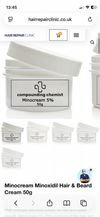
A user is considering switching from a 5% minoxidil spray to a minoxidil cream for easier application and less greasiness. They are inquiring about the Hair Repair Clinic 5% minoxidil cream, which includes optional tretinoin and other ingredients like isopropyl myristate and beeswax.
The user discusses their hair regrowth success with minoxidil, red light therapy, massage, and derma stamping but expresses concerns about using finasteride due to potential side effects. They are interested in using clascoterone as a topical treatment for hair loss and are exploring the possibility of creating a topical formula from raw clascoterone powder.
The user switched to oral dutasteride and minoxidil and is questioning the need for derma stamping, which is typically used with topical treatments. They are considering whether derma stamping is necessary with their current oral regimen.
Extended-release oral minoxidil (VDPHL01) shows promising results for hair growth with improved safety, achieving significant hair count increases and minimal side effects compared to placebo. The treatment is designed to maintain effective concentrations while reducing side effects, making it a safer option for those who cannot tolerate standard minoxidil.
The conversation discusses a patent for using topical resveratrol and melatonin to treat androgenetic alopecia (AGA) and also mentions interest in topical sulforaphane as a treatment.