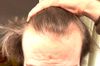
User discusses two medications for stopping hair loss: Fin (finasteride) and Dut (dutasteride). Mixed experiences and sideeffects are shared, with some users seeing positive results.
Topical melatonin may improve hair density and thickness, and reduce hair loss and seborrhea with no significant sideeffects. The user made their own melatonin solution for hair treatment.
Dutasteride and finasteride are discussed for hair loss treatment, with users sharing experiences and debating their effectiveness and sideeffects. Celebrities are noted as common users, and there is debate over which treatment is superior.
A 29-year-old male shares his 3-month hair regrowth progress using finasteride, minoxidil, and microneedling, reporting no sideeffects and light initial shedding. He is encouraged by the results and plans to continue the treatment.
Caffeine may promote hair growth and potentially inhibit 5-α-reductase activity in hair follicles, but its effectiveness and systemic impact remain unclear. Users discuss using topical caffeine solutions, with some experiencing no sideeffects compared to finasteride.
A 30-year-old man saw improved hair density and texture after three months using Minoxidil, Finasteride, and ketoconazole shampoo, despite initial sideeffects. He experienced increased body hair and libido and is satisfied with the results despite the high cost in Turkey.
The conversation discusses hair loss treatments, focusing on a new slow-release oral minoxidil compared to topical minoxidil and finasteride. The results show that twice-daily dosing of the new treatment is slightly more effective than once-daily, but concerns about cost, sideeffects, and the accuracy of reported results remain.
The user is considering starting oral Minoxidil at 2.5 mg to regrow hair, despite already using Finasteride, and is concerned about the cost, sideeffects, and prescription difficulties. They question if the potential hair gains would be noticeable given their current hairstyle.
A user shared their hair transplant update, having received 4,300 grafts and choosing not to use medications like finasteride or minoxidil due to potential sideeffects and personal reasons. Many commenters expressed concern that without these medications, the user might experience further hair loss, suggesting that preventative treatments are important for maintaining transplant results.
The user had a hair transplant and uses oral minoxidil, a red laser therapy helmet, fish oil, collagen, and sardines for hair thinning but avoids finasteride due to sideeffect concerns. Many suggest these methods may not be effective long-term without a DHT blocker.
Topical dutasteride, particularly at 0.05%, shows greater hair density improvement than oral finasteride over 24 weeks, though hair thickness gains are similar. Some users report sideeffects with topical treatments, but others find them effective for maintaining hair without significant systemic absorption.
A 30-year-old shared their successful hair restoration journey using a combination of liposomal topical finasteride and minoxidil, vitamins, and a second hair transplant in Greece, resulting in life-changing improvements without sideeffects. The user emphasized the importance of proper research for hair transplant clinics and expressed gratitude for finding an effective treatment protocol.
Aminexil is used to strengthen hair roots but stopping it may lead to hair thinning, unlike minoxidil which has more complex effects. The user did not use finasteride or minoxidil due to concerns about sideeffects.
Using essential oil roller bottles makes applying minoxidil easier and more convenient. Oral minoxidil has potential sideeffects, including heart issues, while topical application is considered safer.
The conversation discusses using minoxidil, finasteride, spironolactone, and RU58841 for hair loss treatment. Users share experiences with these treatments, noting sideeffects and varying effectiveness.
A 33-year-old experienced hairline improvement using finasteride and minoxidil, later stopping minoxidil while continuing ketoconazole shampoo. Initial sideeffects included shedding, reduced libido, and anxiety, but these resolved, leading to a full hairline recovery.
A user shared their positive experience with a 3-month oral minoxidil and finasteride treatment from Hims, noting healthier hair and no significant sideeffects. Others in the conversation discussed their own experiences with similar treatments, costs, and additional methods like microneedling and topical minoxidil.
The user shared their journey with hair loss, using minoxidil initially, then adding microneedling and finasteride, and finally undergoing a hair transplant. They expressed regret for not using finasteride earlier due to fear of sideeffects and found the combination of treatments effective in the end.
The user has been using finasteride for 10 months with no significant regrowth but no further hair loss and is considering adding oral minoxidil despite concerns about sideeffects. Other users suggest combining finasteride with minoxidil for better results, as finasteride prevents further hair loss while minoxidil aids regrowth.
RU58841 is a controversial hair loss treatment with mixed reviews; some users report success, often in combination with other treatments like finasteride or minoxidil, while others experience sideeffects like chest pain. The treatment's discontinuation is speculated to be due to patent expiration and lack of profitability, despite some users continuing to use it as part of a broader regimen.
The user experienced increased hair density after 8 months of using dutasteride and 6 months of oral minoxidil. Some users joked about sideeffects, while others discussed the effectiveness of various treatments like finasteride and rosemary oil.
Finasteride significantly improved hair density and reduced hair loss for the user over two years, with plans to switch to dutasteride for long-term benefits. The user experienced no shedding or sideeffects and obtained finasteride through a private prescription in the UK.
Dutasteride is less commonly prescribed for hair loss because it is not FDA-approved for this purpose, unlike finasteride, which is more accessible and preferred due to fewer sideeffects. Dutasteride may be more effective in reducing DHT but has a longer half-life and potentially more significant sideeffects.
Finasteride increased the user's estrogen levels by 51%, causing concerns about gynecomastia and sleep issues. Despite potential sideeffects, the user prefers continuing finasteride to prevent hair loss, considering it essential for self-esteem.
The conversation is about using finasteride and KX826 for hair loss treatment. The original poster is using 0.25 mg of finasteride every other day due to sideeffects at a higher dose.
User shared progress pictures showing significant hair regrowth using a compounded solution of Minoxidil 10%, Finasteride 0.1%, Biotin 0.2%, and Latanoprost 0.005%. They reported no sideeffects and are satisfied with the results.
User reports 12 months of using Mexican finasteride (Novaride), minoxidil spray, and ketoconazole shampoo with significant crown improvement and slight frontal hairline improvement. No current sideeffects; plans to continue treatment for further gains.
A user shared a 9-month update on hair loss treatment, reporting positive results from taking 1 mg of finasteride and 1.25 mg of minoxidil daily. The discussion includes varied experiences with these treatments, questions about sideeffects, and comments on the unpredictability of treatment effectiveness.
The conversation is about a user's hair regrowth after using only finasteride for 5 months, with some users expressing congratulations and curiosity about the lack of minoxidil use and potential sideeffects.