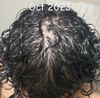
A user is seeking a Minoxidil Response Test kit in the EU without bundled consultations. They mention alternatives like oral minoxidil and tretinoin but prefer the test alone.
The post discusses the user's experience with topical minoxidil (5%) for hair loss, showing some improvement after 2 months. Suggestions from others include keeping the hair shorter on the sides and back, adding finasteride for better results, and considering a shaved head look, though the latter was debated for its femininity.
A 20-year-old is experiencing hair thinning despite using minoxidil inconsistently for 1.5 years and is considering adding finasteride due to concerns about side effects. They are unsure whether to increase minoxidil application, start finasteride, or if the hair loss is exaggerated in their perception.
Treatments for hair loss, such as Minoxidil, Finasteride and RU58841. The first user asked for proof of the effectiveness of these treatments, and the second user responded with a humorous reply.
High-dose oral minoxidil (>5 mg/day) can increase hair density in some men with androgenetic alopecia, but side effects like extra body hair and heart issues are common. Gradual dose increase is advised, but adverse effects may lead to discontinuation or dose adjustments.
Using minoxidil twice daily may offer around 20% better regrowth compared to once daily, but once daily is still effective, especially with dermastamping. The user also uses dutasteride and finasteride daily, and is considering increasing minoxidil application despite concerns about cost and potential shedding.
The conversation discusses whether using topical minoxidil in addition to oral minoxidil 5 mg daily will enhance hair growth. The user also applies a Biotinyl tripeptide cream/lotion and is concerned about the efficacy and side effects of oral versus topical minoxidil.
The conversation is about making oral minoxidil pills for personal use, including inquiries about ingredients and binders. The user mentions taking 2.5mg of oral minoxidil daily.
A user shared their experience with oral minoxidil and finasteride for hair loss, taking 7.5mg of minoxidil and experiencing excessive hair growth all over their body without major side effects. Some users suggested lower doses for safety, while others shared their own experiences with hair growth in different areas and side effects.
Low-dose oral minoxidil is used for hair loss and does not significantly affect blood pressure but may increase heart rate and cause hypotensive symptoms. Some users experience side effects like palpitations and shortness of breath, while others find it effective; topical minoxidil with tretinoin is also considered.
Using retinol with minoxidil may not be as effective as tretinoin, but retinaldehyde or adapalene could be alternatives. A micro-roller with minoxidil is suggested for better results.
A user shared their positive experience with hair regrowth using minoxidil, hormone replacement therapy, and cyproterone acetate during their male-to-female transition. Another user discussed their successful hair transplant after transitioning and using finasteride, highlighting the challenges of hair loss and regrowth during transition.
A 19-year-old using topical minoxidil and dutasteride reports significant hair growth and shedding. Minoxidil caused new facial hair growth, and the user hopes for thicker hair regrowth.
Dutasteride and oral minoxidil are not yielding noticeable results for some users, with some considering alternatives like microneedling or hair transplants. Others report slowed hair loss but no regrowth, and some experience side effects or minimal improvement, leading to frustration and consideration of different treatments.
A person experiencing hair loss is using finasteride and considering minoxidil but is worried about side effects like heart palpitations. They seek advice on continuing minoxidil, trying alternatives like microneedling, or considering a hair transplant.
The user is seeking a topical minoxidil and finasteride combination without propylene glycol due to scalp irritation. They are looking for a supplier in the US.
This user discussed using oral minoxidil as a hair loss treatment, and was cautioned against mixing topical minoxidil with water and drinking it due to potential side effects and risks. Other users shared their concerns about the dangers of self-prescribing medications without consulting a doctor.
The user has been using 5% minoxidil and finasteride for a year and recently noticed three new hairs, but other baby hairs aren't growing. They are considering switching to only minoxidil.
A user shared their 4-month experience using minoxidil twice daily for hair loss, noting significant but slow progress in hair growth, especially around the temples and hairline. They also mentioned side effects like facial hair growth and dryness, and recommended minoxidil over other treatments like castor and coconut oil.
Switching from minoxidil foam to topical solution and considering adding caffeine, melatonin, or cetirizine. Currently using 2.5mg oral minoxidil and 1mg oral finasteride, planning to ask for 0.5mg oral dutasteride and 5mg oral minoxidil.
A long-term finasteride user is considering adding minoxidil to address hairline thinning. They plan to use minoxidil foam due to a propylene glycol allergy and currently use Nizoral for mild dandruff.
The user applied minoxidil and finasteride topically for hair regrowth, experiencing significant results but stopped finasteride due to side effects. They later added stevia to minoxidil, noticing potential improvement in hair density, particularly at the front.
A 25-year-old woman using minoxidil 2% for hair loss is experiencing faster hair growth and new baby hairs but continues to lose hair and see miniaturization. Suggestions include switching to minoxidil 5%, checking vitamin levels, using Nizoral, and considering a DHT blocker.
The user has been using finasteride for several years and 2.5mg oral minoxidil for 9 months, noticing stable and slightly thicker hair. They are considering increasing to 5mg oral minoxidil and are concerned about potential shedding or negative effects.
The conversation is about the effectiveness of a hair loss treatment product containing 0.01% Latanoprost, with the user considering trying it as a vehicle for RU58841. The user questions whether the dosage is too low to be effective.
Minoxidil 0.5% MMP® showed better results in parietal-vertex regions for less advanced female pattern hair loss compared to Minoxidil 5%. MMP® with Minoxidil can improve the quality of life for these patients.
The user is experiencing a minoxidil shed after six months of use, noting a significant number of miniaturized hairs compared to mature ones, and has been on finasteride 0.5mg daily for two years with positive results. The user meticulously counts and categorizes shed hairs, sparking reactions ranging from amusement to concern over the level of obsession.
The conversation discusses purchasing experimental hair loss treatments KX-826, AHK-Cu, and PTD-DBM, with the user already using Minoxidil and having side effects from Finasteride. Concerns about the legitimacy of certain suppliers and the authenticity of products like pp405 are also mentioned.
The user experienced stable hairline but diffuse thinning after switching from oral finasteride to a topical solution of minoxidil and finasteride. They are concerned about the effectiveness of the topical treatment and are considering other options due to a recent decline in hair density.
A $3 hair oil applicator is recommended for applying minoxidil efficiently, reducing wastage and oily scalp issues. Users discuss cleaning methods and price differences.