Minoxidil use may worsen seborrheic dermatitis, causing itching and dandruff. Users consider stopping minoxidil or switching to foam to improve scalp condition.
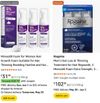
Minoxidil for women is cheaper because the instructions differ, with women using it once per day. It's suggested to choose the cheaper option, even if it's the women's version.
The user experienced positive hair regrowth using topical minoxidil 5% and finasteride 1mg daily, initially combining oral minoxidil 2.5mg for two months before stopping due to potential side effects. They plan to continue with topical minoxidil and restart finasteride to maintain progress, reporting no side effects so far.
A 28-year-old male has been using finasteride, ketoconazole shampoo, and various vitamins for hair loss and is considering adding minoxidil, either topical or oral, to his regimen. A suggestion was made to use 5% topical minoxidil for better results.
The user experienced hair regrowth and improved hair quality using topical minoxidil on temples and oral finasteride daily. They also noted thicker eyebrows and some side effects like minor erectile dysfunction.
The conversation is about a user's four-month progress using topical minoxidil for hair loss, with discussions on potential future use of finasteride and natural DHT blockers like saw palmetto and spearmint tea. The user is cautious about oral medications due to past side effects and is exploring natural alternatives.
The user is using dutasteride and minoxidil foam for hair regrowth, applying minoxidil once daily due to side effects from the liquid form. They plan to increase dutasteride dosage and possibly apply minoxidil twice daily, while also using ciclopirox olamine shampoo and sulfur soap.
A 24-year-old reported new hair growth on temples after 3.5 months of using topical minoxidil without shedding. They plan to add finasteride to maintain progress, as minoxidil alone may not be enough long-term.
Aminexil is similar to Minoxidil but less effective and not widely used, with some users reporting minor regrowth. It is not FDA-approved and has been removed from some products, though some people still use it, often in combination with Minoxidil.
User experienced hair kinking after starting minoxidil, despite being on finasteride for two years. Another user confirmed similar issues and suggested switching brands due to propylene glycol in minoxidil.
Treatments for hair loss, specifically the use of minoxidil, finasteride and RU58841. Replies to this post suggest that users should share relevant information publicly rather than through direct messages.
Topical minoxidil and oral finasteride are effectively promoting hair growth with minimal side effects, such as no impact on sex drive. Users report positive results and reduced hair shedding, with some using a combination of topical foam containing both minoxidil and finasteride.
The conversation discusses using Toppik hair fibers with topical Minoxidil and the potential impact on application. The user considers switching to oral Minoxidil and plans to consult a doctor about Finasteride.
The user is using Dutasteride and oral Minoxidil for hair regrowth and is considering adding topical Minoxidil but is allergic to propylene glycol, which is present in the product they found. They need a solution with tretinoin that does not contain propylene glycol.
A user shared that after quitting caffeine and restarting oral minoxidil, they experienced significant hair regrowth, suggesting that caffeine might interfere with minoxidil's effectiveness by blocking adenosine receptors. They also mentioned side effects like water retention and dizziness, which subsided after a few weeks, and are not using any DHT blockers.
A user shared their positive experience with a clinical trial for a new oral medication, VDPHL01, which is a reformulated version of oral minoxidil taken at a high dose of 17mg daily, showing significant hair regrowth after six months. The user noted that this formulation is believed to be more effective and time-released, with fewer side effects compared to regular oral minoxidil.
A user trying various treatments for hair loss, such as minoxidil, stemoyxidine, alfatradiol, and microneedling, with plans to add tretinoine and finasteride.
A user ordered minoxidil online and noticed different packaging, seeking confirmation if it's genuine. Another user confirmed the packaging update, noting it looks the same in both the EU and US.
The user experienced significant hair regrowth using 1mg finasteride daily and Bosley minoxidil foam once a week, along with a derma roller and Hims shampoo and conditioner. They noted a decrease in sex drive as a side effect of finasteride.
The user saw significant hair growth along the hairline after using topical minoxidil for three months, in addition to being on finasteride for a year. They also use a derma-stamp weekly and recommend waiting 8-12 hours before applying minoxidil after derma-stamping.
Beard hair grown with minoxidil can become permanent because it is not sensitive to DHT, unlike scalp hair, which requires ongoing minoxidil use even with DHT blockers like finasteride or dutasteride. Dutasteride reduces scalp DHT significantly but not completely, which may explain why scalp hair still needs minoxidil for maintenance.
A dermatologist advised against using minoxidil and finasteride for hair loss, suggesting acceptance instead, but the individual is considering seeking finasteride from a family doctor. The conversation includes suggestions to try online services or pharmacies for obtaining treatments like finasteride, minoxidil, and ketoconazole shampoo.
Minoxidil initially showed great results for hair loss but plateaued, leading to the addition of finasteride and dutasteride. The user is considering restarting minoxidil and is concerned about its long-term effects on skin.
A topical solution called "Multi-Peptide Serum for Hair Density" by The Ordinary Company, which contains several ingredients that are used in alternatives to Minoxidil and was found to have better results than 5% Minoxidil in a study. People who have tried it shared their experiences with the serum as well.
A 31-year-old male switched from topical to oral Minoxidil (2.5 mg) and Finasteride (0.6 mg) but feels it's less effective, noticing less hair density and thickness. He is concerned about the effectiveness of the oral treatment compared to the previous combination with topical Minoxidil.
The user has been taking 1.25mg of oral minoxidil and 1mg of finasteride for a year and added topical minoxidil in January. They noticed hair improvement but are experiencing uneven regrowth, with the hairline improving and the middle part worsening.
A user stopped using minoxidil after 10-12 years due to severe side effects like fluctuating blood pressure and chest pain, resulting in significant hair loss. Other users shared similar experiences, emphasizing health over hair and suggesting alternatives like finasteride, nanoxidil, and rosemary oil.