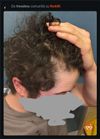
Finasteride is being humorously praised for its effectiveness in treating hair loss. The conversation includes jokes about side effects and mentions of a dog.
The conversation discusses the delay in the release of a new hair loss treatment, Pyrilutamide, and speculates on potential safety concerns as a reason for the delay. It also mentions GT20029 as another future treatment option, with a release at least five years away, and touches on the avoidance of research chemicals due to uncertainty about their authenticity.
A user improved their hair health by taking 50,000 IU of vitamin D3 weekly due to a deficiency. Others discussed the potential link between vitamin D and hair growth, with some sharing similar experiences and emphasizing the importance of monitoring vitamin D levels and consulting with doctors.
A user stopped using RU58841 after discovering their girlfriend's unplanned pregnancy, expressing concern about potential harm to the baby. Others advised consulting a doctor, waiting for health scans, and considering switching to oral finasteride or natural supplements like saw palmetto.
Using vitamin C in shampoo to adjust pH levels can improve hair health and reduce oiliness and dandruff. The user mixed vitamin C powder with conditioner, achieving positive results.
GHK-Cu is discussed for hair loss treatment, with some users reporting positive results using a 4% topical serum, but concerns exist about the long-term safety of oral or injectable forms. The original poster also uses finasteride and plans to start dutasteride.
A user's experience using dutasteride, minoxidil, ketoconazole, vitamin D, scalp massage, exercise, and avoiding vaping and 2-in-1 shampoo/conditioner to treat hair loss; they also discussed the side effects of finasteride.
The conversation humorously discusses hair loss treatments, mentioning "oral miraclegro," "topical roundup," "spectracide," "Cow Dung mesotherapy," and "weekly Foot stepping sessions." The user jokingly considers switching to "weed and feed" as a treatment.
The conversation discusses the hair loss treatment Breezula by Cassiopea, which had a successful Phase II trial and is expected to start Phase III by the end of the year. Users are curious about the timeline for availability and note that it performs slightly better than finasteride at 6 months, slightly worse at 12 months, with the benefit of having no side effects.
The conversation discusses the potential of topical cetirizine (Zyrtec) for hair growth in comparison to minoxidil, noting cetirizine's ability to reduce prostaglandin D2, which inhibits hair growth. Users share mixed experiences with cetirizine for allergies and scalp health, and there's a mention of the risk of dementia with long-term antihistamine use.
Clascoterone (CB) shows an excellent safety profile with no serious side effects, but its effectiveness may decline after six months, making it more suitable as an adjunct treatment with finasteride and minoxidil rather than a standalone solution. Some argue it could be better than finasteride due to its protection against testosterone, but its long-term efficacy remains debated.
The conversation humorously discusses various methods of applying minoxidil for hair loss, with some users suggesting oral minoxidil as a more convenient option despite potential side effects. The original poster jokes about using a red light helmet with mesotherapy needles for continuous minoxidil application.
Results for Amplifica's AMP-303 hair loss treatment study are expected late summer 2024. The study, fully enrolled in Q1 2024, focuses on safety and tolerability.
A user recovered their crown using finasteride, dermarolling, and vitamins, and had a hair transplant for their hairline. They experienced no side effects from finasteride except increased libido and also take zinc, biotin, trace minerals, kelp, and vitamin D.
ET-02 showed significant hair growth in five weeks, outperforming minoxidil, with a non-hormonal mechanism that avoids side effects of treatments like finasteride. A phase 2 trial is planned to further assess ET-02's efficacy and safety.
The user shared progress pictures showing significant hair regrowth from using finasteride, RU58841, and liquid minoxidil, emphasizing the importance of consistency. They noted that RU58841, a research chemical not FDA-approved, was effective when applied topically but warned of potential heart-related side effects.
A 28-year-old man shares his positive experience with a 3-in-1 oral pill containing finasteride, minoxidil, and vitamins for hair loss, noting decreased bald spot width and overall hair thickening after four months. He encourages others to start treatment, mentioning the mental benefits and minimal side effects, while discussing additional treatments like ketoconazole and microneedling.
A user is seeking advice on purchasing RU58841 with Minoxidil in Canada and is concerned about the vehicle used for the solution. They also inquire about the differences between RU58841 and topical finasteride in terms of efficacy.
Hope Medicine received a $28M investment for HMI-115, a monoclonal antibody in phase II trials for treating androgenetic alopecia. Some users are skeptical about its effectiveness, while others find the investment and trial results encouraging.
The user plans to use 1% Koshine826, 0.1% Alfatradiol, Minoxidil with Tretinoin, microneedling, and Stemoxydine for hair loss treatment. They expect significant recovery with this regimen.
Oral minoxidil is considered a safe and effective treatment for hair loss at low dosages, with minimal cardiac risks. Users report positive results, though some experience side effects like increased heart rate and skin changes, and consulting a doctor is advised.
A 25-year-old noticed thinning hair at the temples and started using finasteride (1mg/day) for two months, along with keto shampoo twice a week and vitamins like vitamin D, biotin, and zinc. They are seeing some results and are hopeful about regaining lost hair.
A 7-month progress report of using finasteride and minoxidil, as well as keto dieting and derma stamping; the discussion also touched on RU58841 and its potential side effects.
A user shared progress pictures after one month of using finasteride and daily vitamins for hair loss, asking if they are responding well. Responses generally indicate positive feedback on the progress.
User seeks participants for Verteporfin group buy. Verteporfin, FDA approved, may regenerate hair follicles and sweat glands through heavy microneedling.
People are discussing the potential benefits and drawbacks of a new time-release oral minoxidil (VDPHL01) for hair loss, with considerations about its cost, efficacy, and side effects compared to current treatments like 2.5mg doses and topical applications. Some users express interest in trying it if it proves effective and affordable, while others are cautious due to potential side effects or are satisfied with their current regimen.
The conversation discusses the delay in the release of GT20029 for hair loss treatment and skepticism about its effectiveness. Participants mention other treatments like verteporfin and advancements in transplant procedures as more realistic options.
Using a combination of topical finasteride, minoxidil, caffeine and dermaroller treatments to help with hair loss, while discussing the potential results and other options.
A user shared that taking multivitamins, specifically Myprotein "Alpha Man," improved their sexual energy while on finasteride. They believe the benefits come from Zinc and Vitamin B6/12.