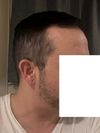
The user is pleased with their hair transplant results after six months and seeks feedback. The conversation is positive, with others affirming the success of the procedure.
User tried oral finasteride, topical finasteride, topical dutasteride, and RU58841 but experienced side effects. They discuss upcoming treatments like clascoterone, pyrilutamide, gt20029, and KY19382 as potential options.
The conversation is about finding alternatives to Octa Sabal Plus for hair loss treatment. It mentions using ingredients like pumpkin seed oil, octacosanol, and soybean extract, but suggests finasteride as a more effective option.
Dr. Bloxham's 9-month update on FUT scar revision with Verteporfin shows promising results. Excitement is high for FUE, which appears highly effective based on Dr. Barghouthi's findings.
PP405 increased hair density by 20% in 31% of participants, but results are considered underwhelming. Minoxidil and finasteride are seen as more effective treatments.
PP405 is the most promising future treatment for hair loss, aiming to reactivate dormant hair follicles. Clascoterone 5% is the most promising near-term drug, while current strategies include using finasteride or dutasteride to stabilize hair loss and minoxidil to stimulate growth.
The conversation discusses promising hair cloning research seeking commercialization partners. Cultured hairs formed with pigment, indicating positive progress.
A user seeks advice on mixing RU58841 serum using European ingredients, specifically struggling to find propylene glycol. They are looking for alternatives to American products commonly recommended in guides.
GT20029 showed promising results for hair growth in a Phase II trial, with the 1.0% twice-weekly regimen being the most effective. Some users expressed skepticism and humor about the product's effects and market availability.
SCUBE3, a protein linked to hair growth in moles, was discovered over 25 years ago and is being developed by Amplifica for potential hair loss treatment. Concerns exist about SCUBE3's association with cancer, as it is a protein that promotes cell growth, which could potentially trigger cancer development if used for hair growth therapy.
Hair loss discussion includes treatments like Minoxidil, Finasteride, and RU58841. Eucapil (fluridil) is approved as a cosmetic hair-care agent in Europe, but users question the level of testing required for approval.
A user is testing clascoterone (Winlevi) on their scalp for hair loss and has noticed a reduction in scalp sebum after one month. They are also using other unspecified treatments and plan to provide an update after the second month.
People are discussing their reactions if PP405 fails in phase 3 trials, with some expressing skepticism and others holding onto hope for future treatments like GT20029 and Breezula. Many mention continuing with existing treatments like minoxidil and finasteride, while others express disappointment and consider alternative solutions.
The conversation is about using vitamin C and Magnesium L-Threonate for hair growth by reducing DHT binding to dermal papilla cells. The original post about vitamin C's pH levels and sebum control was possibly removed by a moderator.
PP405 updates are seen as vague and lacking substance, causing frustration among users. Some users report positive effects from using minoxidil and dutasteride, while others remain skeptical about new treatments.
KPV, a peptide patented by L'Oreal, may promote hair growth and reduce hair loss by extending the anagen phase and has anti-inflammatory properties. It could be combined with treatments like minoxidil for enhanced effects.
The post discusses the high cost of hair loss treatments from companies like Keeps and Roman, and suggests cheaper alternatives like GoodRx. Users share their experiences with different providers, costs, and methods of obtaining finasteride, a common hair loss treatment.
The conversation humorously discusses hair loss treatments, mentioning spironolactone and cyproterone acetate. It reflects a sense of frustration and satire about the effectiveness of these treatments.
Verteporfin may improve hair transplant outcomes and reduce scarring, potentially allowing patients to avoid finasteride. Dr. Barghouthi seeks collaborations, volunteers, and financial support for research on verteporfin.org.
The user is considering using P5P to reduce high prolactin levels and is questioning if oral minoxidil could be contributing to the issue. They are also debating whether to switch from oral to topical minoxidil.
PP405 is a potential hair loss treatment showing promising early results, with hopes for market release by 2028, but skepticism remains due to inconclusive data and past disappointments with similar products. Current treatments like Minoxidil and Finasteride have side effects, leading some to anticipate PP405 as a safer alternative, though its effectiveness compared to placebo is debated.
Visible hair improvement after 10 weeks using minoxidil, estradiol enanthate, acetophenide algestone, and bicalutamide. The user is a 25-year-old male with reduced testosterone levels, expressing a preference for less masculinity.
HairClone is developing cell replacement treatments to rejuvenate and generate hair follicles, and has launched a crowdfunding campaign. A user expressed skepticism about the need for crowdfunding.