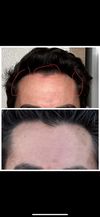
The conversation is about using dutasteride 0.5mg, minoxidil 5%, and RU58841 for hair loss treatment. Users discuss dosage, potential side effects, and experiences with these treatments.
Low-dose daily aspirin reduces the effectiveness of topical minoxidil in treating androgenetic alopecia. Aspirin inhibits sulfotransferase enzymes, which are necessary for minoxidil to work.
Finasteride may help prevent hair loss for those concerned about creatine, despite no proven link between creatine and hair loss. Personal experiences with creatine and hair shedding vary.
Switching from topical to an oral combo pill (1.2 mg finasteride, 3 mg minoxidil, vitamins) improved hair thickness without noticeable side effects. The user appreciates the convenience of a single daily pill over twice-daily topical applications.
Despite using 5% minoxidil, 0.1% finasteride, and other treatments like microneedling, MK-677, and Cialis, hair loss continues with high testosterone and DHT levels. Considering oral dutasteride but concerned about further increasing testosterone levels.
The conversation discusses hair loss treatments, specifically oral Minoxidil, also known as Loniten or Alotendin in Bulgaria. It also mentions considering IndiaMart for purchasing options.
The user applied 0.005% topical finasteride, minoxidil, tretinoin, caffeine, and ketoconazole shampoo for four months but saw no hair regrowth. Some users suggested increasing the finasteride dose or trying alternative treatments like clascoterone, pyrilutamide, or RU58841.
The user is seeking advice on a hair loss treatment called Ell Cranell, which contains Alfatradiol. Another user shared information from a study stating that Alfatradiol only slows down or stabilizes hair loss, but does not increase hair density or thickness.
OP has been using finasteride for almost 2 years and is asking if it's okay to take it with vitamins like vitamin C, multivitamins, and fish oils. Another user mentions taking all vitamins together, usually with a small meal.
A person has been using 1mg Finasteride for 20 years with no side effects but is now noticing temple thinning and is considering oral Minoxidil, despite concerns about heart health and body hair growth. They are consulting a doctor about possibly taking 1.25 to 2.5 mg of oral Minoxidil.
A 20-year-old has been using finasteride for 2 years and switched from 5% to 10% minoxidil, causing issues. The doctor now prescribes 5% minoxidil twice daily, dutasteride on alternate days, and 3 PRP sessions for hair regrowth.
A user is considering using compounded Minoxidil with Tretinoin from Medical Wellness Center to improve hair growth. They are also curious about the effects of higher Minoxidil doses and adding Tretinoin to their regimen.
Clascoterone powder is now available, but it's expensive and not widely discussed due to past ineffective results at higher concentrations. Users are skeptical about its effectiveness and are seeking reliable sources.
Dutasteride and finasteride are discussed for hair loss treatment, with users sharing experiences and debating their effectiveness and side effects. Celebrities are noted as common users, and there is debate over which treatment is superior.
The conversation is about a hair loss treatment regimen including finasteride, oral minoxidil, Stemoxydine, a multi-peptide serum, and ketoconazole. A suggestion was made to add dermastamping and tretinoin.
The conversation is about creating a higher concentration of the newly FDA-approved hair loss treatment, Clascoterone (Winlevi), through compounding pharmacies and possibly organizing group purchases. Some users are unfamiliar with Winlevi and are asking for an explanation of the drug.
The conversation discusses using finasteride, dutasteride, RU58841, and testosterone to combat hair loss and block DHT, with some users expressing concerns about side effects and vegan options for medication. The discussion also touches on personal experiences with hormone treatments and the desire to maintain a youthful appearance.
A user is using Minoxidil, finasteride, saw palmetto, and Minimalist RCP serum to address hair thinning, with some success but concerns about the long-term benefits of Minimalist. They plan to continue Minoxidil and finasteride for another year before considering a hair transplant.
Hair loss treatments discussed include Minoxidil, Finasteride, and RU58841. Anageninc stopped selling KX-826 (Pyrilutamide) due to a cease and desist letter from Kintor, but this may indicate promising study results and a potential 2024 release.
Breezula, a topical treatment, is anticipated to be available in the US by mid-2027 as a potential alternative to finasteride with fewer systemic side effects. There is ongoing debate about its effectiveness and some users report similar side effects to finasteride.
A user is considering a 3-in-1 capsule containing Finasteride, Minoxidil, and Biotin for hair loss. Concerns are raised about Biotin's impact on the effectiveness of Finasteride and Minoxidil, and the cost is unclear without logging in.
The user started using a hair loss treatment called pyrilutamide and experienced mild chest discomfort and tightness, similar to previous side effects from RU58841. They plan to reduce the dosage due to these side effects and will provide an update on the results in 1-2 months.
The conversation is about incorporating tretinoin into a hair loss regimen after using minoxidil and finasteride for years, with discussions on the effectiveness of minoxidil and the potential benefits of adding tretinoin. Users also discuss the effectiveness of oral minoxidil and other topical treatments like diclofenac and fluocinolone.
The user has been taking 1mg of finasteride daily for a year, maintaining hair density without regrowth. They are considering oral minoxidil for regrowth, avoiding topical minoxidil due to its toxicity to cats, despite concerns about heart side effects.
Caffeine may interfere with oral minoxidil because caffeine increases blood pressure while minoxidil lowers it. Users discuss potential interactions and effects on hair loss treatment.