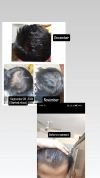
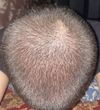
An 18-year-old has been using minoxidil and finasteride for hair loss since age 15, recently adding dutasteride and GHK-Cu, but sees no significant improvement and is considering a hair transplant. Concerns are raised about using hormone suppressors at a young age, with suggestions to explore other treatments like dermarolling, diet changes, and checking for deficiencies.
The user has been using oral finasteride and topical minoxidil for years without success and is seeking alternative treatments. Suggestions include switching to oral minoxidil, adding dutasteride, trying topical treatments, or considering microneedling.
The user has been using finasteride and minoxidil for hair loss but is considering switching to dutasteride due to insufficient results, particularly for hairline improvement. Other users shared their experiences with dutasteride, noting potential benefits and side effects, and suggested a gradual transition from finasteride to dutasteride.
Significant hair regrowth was achieved using 1mg of finasteride daily, 3ml of topical minoxidil, ketoconazole shampoo, vitamin D, and castor oil, with no side effects. Results appeared after two months, leading to discussions on treatment effectiveness and commitment.
Ketoconazole 2% shampoo effectively regrew hair by treating scalp dermatitis and inflammation. The user also used jojoba and oat oil, Aveeno moisturizer, and hyaluronic acid for scalp care.
The user is experiencing hair regrowth and increased hair thickness after using supplements like biotin, zinc, selenium, and a complex with various natural ingredients, along with topical caffeine. They are considering using topical minoxidil and mesotherapy in the future.
A 21-year-old male is experiencing a receding hairline and has tried tea tree oil and hair growth shampoo without success. He is considering products from companies like Hims, Happy Head, and Dermose for treatment.
A 19-year-old experienced significant hair loss, improved with minoxidil, and is considering adding finasteride to his routine. He is concerned about future hair loss and potential side effects of finasteride.
Unwanted hair growth from minoxidil use, with suggestions to reduce dosage or switch to finasteride. Users recommend hair removal methods like shaving, waxing, or electrolysis to manage excess facial hair.
The user is concerned about having a straight, low hairline after a hair transplant and is unable to take finasteride due to high estrogen and prolactin levels. They have used minoxidil with limited success and are considering further transplants to lower the hairline, while others suggest the risks of using up donor hair too quickly.
Dutasteride and finasteride are not effectively stopping hair loss for some users, despite long-term use. Some are considering or using RU58841, pyrilutamide, and other treatments like microneedling, while also managing seborrheic dermatitis with diet and topical solutions.
A 28-year-old shared his successful hair transplant experience using 2800 grafts, oral minoxidil, and finasteride, resulting in a natural look. The procedure cost 1 lakh INR, and recovery took 7 days.
A 31-year-old has been using finasteride, dutasteride, and oral minoxidil for hair loss. They noticed a sudden triangular thinning patch on their scalp and are seeking advice, questioning if it could be medication-related.
The user experienced unexpected hair volume increase after combining scalp massages with topical minoxidil and oral finasteride. They plan to continue this regimen, noting a reduction in hair shedding.
An 18-year-old noticed hair thinning at 17, started finasteride 5 months ago, and saw shedding stop but no regrowth. They suspect male pattern baldness due to family history and are concerned about thinning on the back and sides, possibly due to inflammation.
Switching from finasteride to dutasteride improved hair thickness and regrowth for many users, with some also using minoxidil and dermarolling. Users reported varying timelines for results, with some seeing improvements in 8-12 months and minimal side effects.
A treatment showed a 20% hair density increase in weeks, with nearly a third of participants experiencing significant results, while questions remain about its long-term efficacy and effectiveness across different scalp areas. There is interest in combining it with finasteride and minoxidil for potentially better outcomes.
Switching from finasteride to dutasteride can worsen hair loss for some men due to increased testosterone levels. Topical treatments like RU58841 and Pyrilutamide are suggested to counteract these effects, but individual responses vary.
The user is considering adding a topical treatment to their current regimen of finasteride and oral minoxidil to protect their temple area, with options like piro, RU58841, or topical finasteride or dutasteride. They are advised against overcomplicating their treatment, but another user suggests a topical with 8% minoxidil/dutasteride for better results.
The user is concerned about hair regrowth after using 2% minoxidil and keraglow vitamins for three months, noticing shedding but no significant improvement. They plan to switch to 5% minoxidil and consider finasteride for better results, as they have been diagnosed with male pattern baldness.
The user has tried various treatments like Dutasteride, RU58841, Minoxidil, Finasteride, Spironolactone, Pyrilutamide, and Ketoconazole for hair loss without success and is considering a scalp biopsy to diagnose another condition. Others suggest consulting a dermatologist and possibly getting a biopsy, as the issue might not be typical male pattern baldness.
KX-826 is undergoing Phase III trials in China as a potential treatment for male pattern baldness, with some users considering it as an alternative or addition to finasteride and dutasteride. Opinions on its effectiveness vary, with some users reporting positive results and others finding it expensive and ineffective.
PP405 is a new topical treatment for hair loss, showing promise in trials but still requires finasteride for maintenance. There is skepticism about its effectiveness and safety, with concerns about needing finasteride to maintain results.
The user experienced hair loss despite using Fin and Min for 12 years and switched to Dutasteride, RU58841, and Keto scalp serum, but shedding and itch persist. They are considering increasing Dutasteride to 2.5mg and questioning the necessity of a scalp biopsy, with mixed opinions on its usefulness.
There have been no new effective hair loss treatments since finasteride, despite technological advancements. Current treatments include finasteride, minoxidil, and RU58841, with ongoing challenges and potential future solutions in research.
The user experienced worsening hair loss despite using finasteride, minoxidil, and microneedling. Suggestions included reducing microneedling frequency, switching to oral minoxidil, adding tretinoin, and considering dutasteride.
The conversation discusses hair loss treatments, specifically the use of minoxidil, finasteride, and microneedling, and the experience of shedding hair as a potential sign of treatment effectiveness. Some users report positive results after initial shedding, while others express concerns about long-term hair loss and the effectiveness of treatments.
A 20-year-old user experienced worsening hair loss despite using various treatments including topical and oral minoxidil, finasteride, and dutasteride. Other users suggested additional treatments like JAK inhibitors, RU58841, and lifestyle changes, but the user remains skeptical and frustrated.