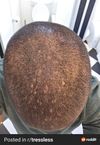
User shared 3.5 months progress on oral finasteride 1.25mg daily with no side effects. Other users commented on the effectiveness and shared their experiences.
After a year on dutasteride and oral minoxidil, the user experienced significant hair regrowth, improving from Norwood 2 to almost Norwood 1. They added RU58841, microneedling, rosemary oil, GHK-Cu, and annurca apple supplement to their regimen and are now noticing hair loss in the temple area.
A 23-year-old experiencing diffuse hair thinning has chosen a treatment stack including topical finasteride, a blend of rosemary, peppermint, and pumpkin seed oils, procyanidine B2 spray, ketoconazole shampoo, and scalp massages. They avoid minoxidil due to family history of side effects and oral finasteride due to high estrogen levels.
A 42-year-old with a Norwood 2 hairline is using topical minoxidil and finasteride with tretinoin to address hair loss, having previously experienced side effects from oral finasteride and dutasteride. Suggestions include continuing current treatments, considering microneedling, and being patient for results.
A 43-year-old experienced hair loss and used Finasteride successfully for 18 years before switching to Dutasteride due to renewed thinning. After 6 months on Dutasteride, they experienced itching and increased hair loss, leading to concerns about prolonged shedding and considering switching back to Finasteride.
Users discussed using lower doses of finasteride and minoxidil for hair loss. Some experienced side effects like arrhythmia, while others reported slowed hair thinning but not complete prevention.
The user is frustrated with minimal hair regrowth after using dutasteride, oral minoxidil, and previously finasteride and topical minoxidil. Despite feeling discouraged, others suggest continuing treatment as progress can be slow and subtle, with some users noting visible improvement.
The shed phase from using finasteride and minoxidil can vary, with some experiencing noticeable hair loss and others having minimal shedding. Despite initial shedding, many users report eventual hair regrowth and improvement, making the treatment worthwhile.
The user experienced worsening hair thinning despite using finasteride, minoxidil, and ketoconazole shampoo, and switched to dutasteride five months ago. They are considering adding tretinoin and microneedling to their routine for better results.
RU58841 may help some with hair loss, but it can have side effects like heart pain. Dutasteride and finasteride can cause initial shedding, and results may take time.
A 25-year-old shared progress on hair regrowth after 2.5 years of oral finasteride and over a year of inconsistent topical minoxidil use, noting significant density gains despite a long-standing receded hairline. The user emphasized patience, as noticeable improvements took about 18 months, and mentioned using Ascend brand finasteride and occasional Nizoral shampoo for seborrheic dermatitis.
Ketoconazole 2% shampoo effectively regrew hair by treating scalp dermatitis and inflammation. The user also used jojoba and oat oil, Aveeno moisturizer, and hyaluronic acid for scalp care.
Oral minoxidil, finasteride, and dutasteride are being used to treat hair loss, but results are limited, leading to consideration of a hair transplant. The user plans to continue medication for another year before deciding on further action.
A 25-year-old male with 10 years of hair loss is using minoxidil and considering adding finasteride or dutasteride, possibly with microneedling, to improve hair regrowth before a hair transplant. Community members suggest starting a DHT blocker immediately, considering oral minoxidil, and addressing low vitamin D and HDL levels.
The user noticed small circular hairless spots after a buzz cut and has been using finasteride, dutasteride, and oral minoxidil for hair loss. They are experiencing continuous shedding and thinning, and it is suggested they consult a dermatologist for a scalp examination and possible biopsy to determine if it's alopecia areata or androgenetic alopecia.
The user has been using topical minoxidil, topical and oral finasteride, and oral minoxidil for hair loss but hasn't seen improvement after 7 months. Suggestions include continuing treatment, considering dutasteride, and consulting a dermatologist, as shedding from oral minoxidil is temporary.
The user switched from finasteride to dutasteride and experienced heavy hair shedding around six months in, affecting even transplanted hair. They are seeking others' experiences with similar shedding after switching medications.
The user is experiencing worsening hair loss despite undergoing monthly injectable finasteride, clay masks, laser therapy, and microneedling. They are concerned about severe shedding in areas not typically affected by male pattern baldness and are considering seeking a second opinion.
People shared experiences with hair loss treatments like Minoxidil, Finasteride, and Dutasteride. Opinions varied on effectiveness and side effects, with advice to start early and adjust dosages based on individual reactions.
The user has been using finasteride for a year and recently started minoxidil, noticing reduced hair shedding but no significant regrowth. Suggestions include continuing the current regimen, adding micro-needling, and considering a hair transplant for more noticeable results.
The user shared progress after 3.5 months using topical finasteride (0.2%) and minoxidil (5%), noting thicker hair despite a receding hairline. They plan to consider a hair transplant in the future and found applying treatments easier on a shaved head.
A user successfully regrew hair over 12 months using topical minoxidil, topical finasteride, microneedling, and supplements, with no side effects. They credit their success to consistency and a comprehensive routine.
The user experienced increased hair shedding and thinning after 6 months of using finasteride, despite using minoxidil and keto shampoo. They are considering switching to dutasteride due to concerns about the lack of improvement.
The user experienced significant hair regrowth using 1 mg of finasteride daily for 1.5 years, without needing minoxidil. The regrowth was surprising, especially in the hairline, and some users speculated about a possible hair transplant.
The user has been on finasteride for over two years, experiencing early hair regrowth, acne, and scalp sensitivity, but now faces thinning hair and questions about dosage and long-term effectiveness. They also used retinal to help with acne and are seeking advice on whether to adjust their finasteride dose.
The conversation discusses the ineffectiveness of tablet forms of dutasteride for hair loss due to poor absorption compared to soft gel capsules. It suggests switching to FDA-approved soft gel capsules for better results, as tablets may not adequately suppress DHT levels.
The user shared progress on hair restoration using dutasteride, oral minoxidil, and 2800 grafts, noting significant improvement in hair thickness and coverage. They discussed the importance of continuing DHT blockers like finasteride or dutasteride post-transplant to prevent further hair thinning.
A 19-year-old tried oral minoxidil and finasteride for hair loss but experienced side effects like fatigue, dry eyes, and lack of motivation, leading to discontinuation. Suggestions included trying topical treatments, dutasteride, or accepting hair loss.
Finasteride may take over two years to show results and can cause side effects like sexual dysfunction and emotional changes. Alternatives such as dutasteride and minoxidil are discussed, with varying effectiveness and side effects.
Dutasteride is more effective than finasteride for some in stopping hair loss and promoting regrowth, with fewer side effects. Oral minoxidil is also used for regrowth, but there are safety concerns, especially for younger users.