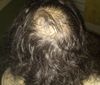
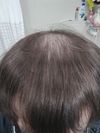
User shared a 10-month update after a 4000-graft hair transplant, using finasteride, minoxidil, hair density shampoos, hair oils, and vitamins. Replies suggest patience as crown growth can take up to 18 months.
A woman is concerned about her husband's hair thinning and researches treatments like finasteride and minoxidil. He decides against medication due to potential side effects and plans to shave his head if necessary.
The user is treating diffuse thinning with finasteride, dutasteride, and oral minoxidil but hasn't seen significant improvement. Others suggest that results vary, with some maintaining hair and others considering transplants or future treatments.
The user is experiencing continued hair thinning despite taking Finasteride 1 mg daily for over a year and is hesitant to try Minoxidil due to potential side effects and inconsistency. Suggestions include trying topical Minoxidil once a day, considering oral Minoxidil, and possibly getting a skin biopsy to determine the type of hair loss.
The conversation is about a user who started using finasteride to address crown balding, noticing reduced hair shedding and halted progression of male pattern baldness. The user also used a dermal stamp and expressed optimism about potential regrowth, despite a slight decrease in libido.
A 26-year-old experiencing crown hair loss after years of neglect due to mental health issues is advised to improve diet, wash hair regularly, and consider using Minoxidil and Finasteride for regrowth.
The conversation discusses hair loss treatments, specifically Minoxidil, finasteride, and RU58841. The user seeks opinions on the effectiveness of these treatments.
A 20-year-old is experiencing hair thinning due to vitamin D deficiency and has completed a vitamin D prescription without seeing improvement. Suggestions include waiting a few months for potential regrowth or considering treatments like minoxidil or finasteride for androgenetic alopecia.
The user has been using finasteride and minoxidil for over three years, switched to oral minoxidil, and recently started dutasteride and dermarolling but still experiences thin hair. They are seeking suggestions for improving their hair condition.
A 31-year-old with diffuse thinning experienced significant hair regrowth after nearly 5 months on Finasteride 0.75mg MWF. Despite initial side effects like testicle pain and reduced sex drive, these issues resolved, and positive effects included reduced nighttime urination and scalp itching.
User with thinning hair uses Toppik and wonders when to tell dates about it. Responses vary, some suggest not mentioning it, others recommend honesty after building a connection.
A user experienced hair loss after taking chromium and alpha lipoic acid supplements but stopped shedding after discontinuing them. They noticed thinning around the temples and started dermarolling.
The user experienced noticeable hair growth after starting dermarolling with a 1mm device, using minoxidil, and nizoral shampoo. They plan to reduce dermarolling frequency to three times a week and are considering additional treatments like finasteride or a hair transplant for increased hair density.
A user shared their positive experience with a crown MicroFUE hair transplant at Boston Hair Restoration, highlighting the smooth procedure, minimal pain, and significant growth over 12 months. They used oral minoxidil, finasteride (transitioning to dutasteride), PRP sessions, and a LaserCap, achieving excellent results and full confidence.
A 20-year-old has been using finasteride and topical minoxidil for a year but is considering adding oral minoxidil, dutasteride, and biotin due to unsatisfactory results. Opinions vary, with some suggesting patience and others recommending different treatments, but caution is advised against using multiple oral drugs due to potential side effects.
After five years of no progress with hair regrowth using oral finasteride and topical minoxidil, a person switched to a combination of topical dutasteride, minoxidil, tretinoin, ketoconazole, and hydrocortisone in November 2023 and finally saw results. They had previously experienced side effects like gynecomastia from finasteride.
Using 2.5mg oral minoxidil and 1mg oral finasteride daily leads to significant hair regrowth without side effects, especially at the crown. Consistency is crucial, and some users consider additional methods like derma rolling.
A 24-year-old male is experiencing hair thinning and feels hopeless, considering treatments like finasteride and minoxidil but is concerned they might not work. He is also contemplating a dermatologist visit and is unable to afford a hair transplant.
A 20-year-old with diffused thinning is using oral minoxidil for androgenetic alopecia. They plan to switch to topical minoxidil, finasteride, and bimatoprost, and may consider surgery if their condition improves.
The user has been using a combination of minoxidil and finasteride for six months, seeing initial improvement in hair thickness at the crown, but recently noticed a regression. It is suggested to continue the treatment for a few more months as fluctuations are common, and consider switching to dutasteride if no improvement occurs.
Many users experienced increased diffuse thinning after starting finasteride, with some switching to dutasteride or adding minoxidil in hopes of improvement. Thyroid issues and low ferritin levels were also discussed as potential factors affecting hair loss.
A 27-year-old male experienced limited success with Dutasteride and topical Minoxidil for hair loss and eyebrow thinning, with side effects like decreased libido and erectile dysfunction. He is considering oral Minoxidil but is concerned about side effects, and is advised to try ketoconazole for possible dermatitis and monitor vitamin D levels.
A new drug, PP405, is being discussed as a potential cure for baldness, with hopes it could be more effective than Minoxidil and Finasteride. Users are skeptical about its effectiveness and the need for lifelong use.
The user switched from finasteride to dutasteride and experienced hair thinning, which is expected during the transition. They are using ketoconazole shampoo, considering dermarolling, and adding topical minoxidil to their routine.
The user plans to start finasteride treatment for hair thinning and seeks advice on dosage, specifically how many 1mg pills to take weekly. They have noticed hair loss in the shower and some receding at the hairline.
Finasteride improved hair thickness for someone with diffused thinning after 11 months, with no side effects. Patience and consulting a dermatologist are advised, and minoxidil is suggested for additional support.
An 18-year-old male experiencing hair thinning for three years seeks advice on treatments like Minoxidil, finasteride, and RU58841. He is frustrated with the situation and wants to take action without resorting to shaving his head.
The user is experiencing hair thinning despite using Dutasteride and Finasteride and is considering adding Minoxidil. Suggestions include increasing the Dutasteride dose, checking for health issues, and considering a hair transplant.
Start hair loss treatments early for best results. Finasteride, Dutasteride, Minoxidil, and microneedling are commonly used, with some users experiencing side effects but often regretting delayed treatment.