Tressless GPT is now free and accessible for hair loss advice. Treatments discussed include Minoxidil, finasteride, RU58841, dutasteride mesotherapy, topical melatonin, microneedling, and rapamycin.
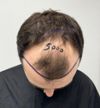
A 35-year-old man shared his hair transplant experience in Tijuana, Mexico, choosing Artline for 5,000 grafts at a lower cost than U.S. clinics. He plans to use topical minoxidil and possibly microneedling for better results.
Bimatoprost is preferred over Latanoprost for hair growth. Users are seeking a reliable supplier for raw Bimatoprost powder to make their own topical solution.
A potential treatment for hair loss that involves injecting fat into the scalp; the role of testosterone and estrogen in thinning fat tissue under the skin; research on using lard to treat androgenic alopecia, as well as PRP + ACELL/amniotic stem cell treatments; and ongoing clinical trials by doctors involved in the study.
The user halted hair loss using 0.01% topical liposomal finasteride daily, with no side effects or regrowth, and recently added 5% minoxidil and low-level laser therapy. They recommend this conservative approach for those hesitant about finasteride.
Using liposomal solutions with dutasteride, minoxidil, and tretinoin worsened hair loss due to buildup and scalp issues. Consulting a professional and returning to simpler treatments like finasteride and minoxidil improved the situation.
A user is considering using melatonin for hair recovery on the side and neck area but is unsure about the best options in Europe and whether a dietary supplement form can be applied to the scalp. They found a product but are hesitant and seeking opinions on its use for alopecia.
A product called HairMDL includes Minoxidil, Dutasteride, Latanoprost, caffeine, Tretinoin, and Triamcinolone. Users are curious about its effectiveness and safety, particularly regarding the topical steroid Triamcinolone.
The conversation is about finding a foam product that combines minoxidil and tretinoin for hair loss treatment. The user is seeking purchasing options for this specific combination.
Scalp micropigmentation (SMP) is a debated hair loss solution, with some praising its natural look and low maintenance, while others criticize it for looking unnatural and being a temporary fix. Many prefer traditional hair restoration methods like hair transplants or medications such as finasteride and minoxidil.
A person had a successful hair transplant in Turkey with 3200 grafts using FUE and DHI techniques, and is satisfied with the results after 9 months. They have been using finasteride for 7 years to maintain hair health.
The conversation discusses hair regrowth treatments, including stem cell exosomes, PRP, and PP405. Users question the effectiveness of the treatments and mention finasteride and minoxidil.
Mallia Aesthetics has developed MAL-838, a hormone-free product derived from sCD83, which stimulates hair growth without disrupting the skin microbiome. sCD83 promotes hair growth by activating hair follicles and preventing cell death, offering a localized treatment without systemic side effects.
The Shiseido/Replicel RCH-01 trial results were disappointing and ineffective. Users expressed skepticism and frustration, suggesting alternatives like Tsuji or simply accepting baldness.
Hair regrowth treatments, including stem cell injections, are discussed, with skepticism about their effectiveness compared to Minoxidil and finasteride. Derma stamping is mentioned as effective when used with Minoxidil, finasteride, and dutasteride.
The user documented hair regrowth progress over 8 weeks using Minoxidil foam twice daily and weekly microneedling. Another user suggested adding finasteride for better results.
The user is considering using Ruderma to maintain hair and is concerned about potential hair loss acceleration due to starting TRT. They are also inquiring about the use of minoxidil, RU58841, and a derma roller for hair maintenance.
A user is interested in creating a hair growth serum using oleic acid, palmitoleic acid, and anhydrous ethanol, and seeks advice on sourcing these ingredients. Another user plans to mix these with minoxidil, which already contains ethanol, and mentions using RU58841.
People are discussing obtaining and testing PP405 for hair loss treatment, with concerns about its purity and effectiveness. Some are considering delaying hair transplants, while others suggest using existing treatments like finasteride and minoxidil.
The user is seeking help with using Ell-Cranell for hair loss treatment. They are unsure about the correct application method and dosage. They also inquire about combining microneedling with topical alfatradiol and question a study that referred to alfatradiol as a hair growth inhibitor in male mice.
The user is considering PRP with exosomes for hair loss after oral minoxidil and dutasteride failed to provide desired results. Despite suggestions for a hair transplant, the user is hesitant due to cost and complexity, and is unsure about other options.
The user experienced side effects from low-dose topical finasteride and is considering using clascoterone (CB-03-01) despite concerns about its risks and cost. They seek advice on its effectiveness and potential side effects compared to other treatments like alfatradiol and fluridil.
Rapamycin, finasteride, and minoxidil are discussed as a strategy for hair loss prevention and reversal. Pulsed dosing of rapamycin is suggested to avoid conflicting effects with minoxidil.
The post and conversation are about skepticism towards a new hair loss treatment containing 2-deoxy-D-ribose, copper peptides, and exosomes, with concerns about the legitimacy of the product and its website. The treatment's effectiveness and authenticity are questioned due to lack of testing and transparency.
Exosomes are being discussed as a potential hair loss treatment, with some users skeptical about their effectiveness and stability. There is interest in different types of exosomes, including those derived from centella asiatica, and comparisons are made to other treatments like finasteride.
The conversation is about making RU58841 solutions for hair loss treatment and sourcing ingredients for KB solutions. The user mentions using RU58841 powder from Shaanxi Greenyobiotech.
User tried topical fin, dut, min, tret, hydrocortisone, microneedling, nizoral, collagen, propidren supplements, and laser helmet for hair loss with slow progress. They ask if topical spironolactone is a safer, effective alternative to RU for suppressing testosterone and treating hair loss in men.
The conversation is about using a dermastamp for hair loss treatment and concerns about a potentially scam product, pp405. It suggests sticking with known treatments like finasteride and minoxidil.
Addressing hair loss by focusing on posture, blood flow, and craniofacial development. Methods include improving posture, cardiovascular activity, scalp massages, healthy diet, meditation, using minoxidil, and addressing craniofacial issues.