Creating a topical solution combining finasteride and stemoxydine to treat hair loss, and the discussion of whether 15mg of finasteride would be sufficient for 60ml solvent.
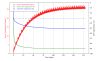
A Dutasteride Simulator predicts serum dutasteride, serum DHT, and scalp DHT levels using models from research papers. It simulates various dosing schedules to determine steady-state effects and visualizes outcomes, including hair growth-related scalp DHT suppression.
The conversation discusses hair loss treatment progress 11 weeks after a crown transplant. The user is using minoxidil every two days and biotin daily, without finasteride.
Hair loss treatments discussed include Minoxidil, Finasteride, and Spironolactone. One user shares success with Finasteride, Minoxidil, and low-dose Cyproterone Acetate, but warns against long-term use of oral anti-androgens.
Triple Hair Inc. developed a new topical treatment, TH07, combining Finasteride, Latanoprost, and Minoxidil for androgenic alopecia. Users discussed its effectiveness compared to other treatments and shared their own product combinations.
The conversation is about a hair loss product that claims to use stem cells and ingredients like Capixyl, Redensyl, and Baicapil, with the user asking if anyone has looked into it. No specific treatments were discussed.
The GT20029 tincture, a topical androgen receptor degrader, showed significant hair growth and good safety in a China Phase II trial for male androgenetic alopecia (AGA), with the 1% dose twice weekly identified as optimal. The company plans to initiate Phase III trials in China and Phase II in the U.S., and the treatment also shows promise for acne.
BPC-157 may promote hair growth by increasing angiogenesis, similar to how Minoxidil works, though no direct research confirms this yet. Users report combining BPC-157 with Minoxidil and finasteride for better results, but concerns about long-term safety exist.
The conversation is about a new acne treatment cream called Clascoterone Cream 1%, which is the first new mechanism of action for acne in nearly 40 years. One person joked about hoping their face will be as clean as their bald head after using the cream.
The user is considering minoxidil, clascoterone, and fluridil for hair loss, avoiding finasteride and RU58841. They are also contemplating a hair transplant and exploring the resilience of transplanted hair without finasteride.
Most scalp serums are ineffective for hair loss, with Nécessaire’s “The Scalp Serum” being the only one showing noticeable results, though it's not worth the cost. For androgenetic alopecia, clinical treatments like minoxidil and finasteride are necessary, while caffeine and capixyl may offer some benefits.
The user switched from Hims spray to Happy Head dropper for hair loss treatment and experienced a bad odor and staining from the product. The product was past its expiration date, but a newer bottle had the same issues.
The user had a hair transplant in May 2020 with 2000 grafts and has been using minoxidil and finasteride for maintenance. They are considering a second hair transplant for the crown area but are currently holding off.
User shared a 10-month update on using finasteride for hair loss, experiencing initial shedding but now seeing signs of regrowth. They expect further improvement over the next 8 months.
PP405 is discussed as a potential hair loss treatment, but its effectiveness and safety are uncertain. Some users express skepticism, while others are hopeful, comparing it to existing treatments like Minoxidil and Finasteride.
The conversation is about hair loss treatment using finasteride, ketoconazole, and sulfur soap, with consideration of starting dermastamp. The user prefers not to use minoxidil.
The conversation is about seeking updates on new hair loss treatments, specifically mentioning scube3 and GT20029, with one person mentioning HMI_115 as showing promising results.
PP405 shows initial promise for treating androgenetic alopecia, with safety confirmed in early trials, but skepticism remains due to limited data. Further trials are needed to determine its true efficacy and potential market impact.
The conversation discusses the potential of topical cetirizine (Zyrtec) for hair growth in comparison to minoxidil, noting cetirizine's ability to reduce prostaglandin D2, which inhibits hair growth. Users share mixed experiences with cetirizine for allergies and scalp health, and there's a mention of the risk of dementia with long-term antihistamine use.
A user who shared progress pictures of their scalp using a microscope camera, demonstrating the difference between healthy and miniaturized hair. Various explanations for the cause of this were discussed, such as DHT build-up in scalp sebum causing an autoimmune response leading to inflammation and eventual hair loss, with some suggesting a do-it-yourself treatment involving adding ascorbic acid powder to shampoo.
JW0061 shows superior hair growth results compared to existing treatments, with significant increases in hair follicles. The Wnt/β-catenin pathway is crucial for hair growth, and JW0061 activates this pathway effectively.
OP bought Koshine x826 and plans to update on its effectiveness, currently using fluridil. OP couldn't tolerate RU or DUT, while another user mixes Dutasteride with Koshine x826 weekly without side effects.
The user is concerned about the quick prescription process for hair loss treatments like Minoxidil and Finasteride through HIMs, questioning the lack of a thorough evaluation. Another user reassures that such practices are common, emphasizing the effectiveness and low risk of these treatments, and suggests monitoring personal response to the medication.
The user realized they didn't shake their HappyHead Topical Fin + Min before use, leading to inconsistent application of Finasteride due to sediment at the bottle's bottom. They advise others to shake their topical hair loss treatments before use.
PP405 is a potential hair loss treatment that may activate dormant hair follicles, but there are concerns about its effectiveness, cost, and side effects. Users discuss treatments like minoxidil, finasteride, and RU58841, expressing skepticism about PP405's long-term success and accessibility.
GT20029 shows promising results for hair loss treatment, with potential approval in China by 2026 or 2027, but U.S. approval may take longer. It could serve as an alternative to finasteride, with a potentially better side effect profile.
The user has been dealing with hair loss for 10 years, worsened by psoriasis, and uses minoxidil and finasteride. They seek advice on managing psoriasis and hair loss, with suggestions to see a dermatologist, try different shampoos, and be patient.