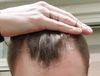
Creatine use with finasteride increased DHT levels, possibly affecting hair loss. The user plans to reduce creatine to stabilize DHT and hair shedding.
User shared 8-month progress with finasteride 0.5 mg 4 times a week and gluten-free diet for 5 months, improving hair loss. Plans to try microneedling soon.
The user, EggplantAncient7506, is asking if there is an improvement in their general hair quality after using Finasteride since December 22. Replies suggest that there is an improvement.
A user experienced persistent headaches after a stressful week and questioned if 0.25mg finasteride could be the cause, despite using minoxidil for two years. Another user suggested stress is likely the main factor, not the medication, and advised consulting a healthcare provider if headaches persist.
Low-dose topical finasteride may reduce scalp DHT with fewer side effects than oral finasteride, though it can still lower blood serum DHT. Users report varying experiences, with some finding topical use effective and side-effect-free, while others note significant DHT suppression.
A user's two month update on their hair loss journey and the treatments they are trying, which include exosome injections, minoxidil, finasteride, and RU58841.
The conversation discusses GT20029, a compound by Kintor Pharma that degrades androgen receptors and is in trials, with potential as a hair loss cure. Another promising treatment mentioned is an antibody that blocks prolactin and has shown positive results in macaques.
A 27-year-old woman experiencing significant hair loss is using spironolactone, Nizoral shampoo, and betamethasone valerate. She questions the effectiveness of these treatments and whether she should seek another dermatologist.
The user is using RU58841, Revivogen, Regenepure ketoconazole shampoo, and plans to use a stimufield cap to address hair loss. They aim to avoid finasteride and minoxidil while hoping to stop hair loss and regrow hair.
The conversation is about a user's progress with hair regrowth using topical foam minoxidil (5%) and finasteride (0.25%) from Keeps, with no reported side effects. The user is 32 years old and has not used microneedling.
The user is considering adding Stemoxydine to their hair loss regimen, as they already use topical finasteride with rosemary and cannot use Minoxidil. They are seeking feedback on Stemoxydine and Alphatradiol, and another user mentions 2-deoxy-d-ribose as a potential option.
A user on finasteride for 7+ months shared bloodwork results, questioning if high DHT levels and testosterone could affect cholesterol. Replies suggest consulting a doctor and question the high testosterone levels.
A user with low-normal testosterone levels is considering starting finasteride and minoxidil for hair loss but is concerned about hormone imbalance. They are advised that finasteride targets DHT, not testosterone, and could start with minoxidil while making lifestyle changes to naturally increase testosterone.
A 50-year-old user shares progress on hair loss treatment after 4 months using finasteride and minoxidil, along with 2 laser sessions with exosomes. The user hopes to restore the crown and mid-scalp areas.
A user is considering adding PRP and mesotherapy to their hair loss treatment and is deciding between two options: Promoitalia, which contains Phosphatidic acid, Riboflavin, and Superoxide dismutase, and the more expensive Melsmon, a human placenta derivative. They seek advice on which option to choose based on effectiveness and scientific backing.
The conversation is about a person using minoxidil, finasteride, estrogen, and bicalutamide to combat hair loss, expressing frustration and desperation over their situation. They are advised against using female hormones and encouraged to focus on finasteride and minoxidil, with suggestions to seek therapy for mental health support.
The user has been treating hair loss since age 17, now 29, using a daily regimen of topical Minoxidil/Finasteride, Pyrilutamide, Minoxidil, and weekly microneedling. They chose a low dose of Finasteride due to past side effects and report that Pyrilutamide has stopped hair shedding and they believe there is some regrowth and increased thickness.
A 20-year-old with stage 3 hair loss saw good results using Topical Min 5%, Oral Fin 1mg, DHT Blocker Shampoo, and DHT blocking and Vitamin gummy. The doctor advised stopping Fin after six months due to hormone concerns, but the user is hesitant.
A user's experience with hair loss and their consideration of using finasteride, minoxidil, RU58841, stemoxydine, fluridil, and peptide serum with redensyl as treatment options.
The conversation is about hair regrowth using topical finasteride, minoxidil, and keto spray, along with oral Saw Palmetto, Lustriva complex, collagen, and microneedling. Users discuss their experiences with these treatments, noting improvements in hair density and color, with some experiencing mild side effects.
The post and conversation discuss the link between DHT (a hormone), scalp itchiness, and hair loss. Some users share their experiences and treatments, including the use of fluconazole, corticosteroids, and ketoconazole shampoo, with one user suspecting minoxidil as a potential cause of their symptoms.
OP asked if Alfatradiol 0.1% can maintain hair after a transplant. Responses suggest using stronger treatments like finasteride or micro-dosing oral finasteride instead.
A 28 year old using a hair loss prevention protocol to restore thinning hair, which includes finasteride, dutasteride, minoxidil, stemoxydine, alopecin, nizoral shampoo and microneedling; the user is now adding pyrilutamide solution to the regimen with the hope of improving their results. RU58841 was also ordered but not yet used.
A user preparing to start finasteride for hair loss wanted to check for any abnormal bloodwork related to hair loss. They shared their blood test results and learned from another user that their doctor prescribed finasteride without any preliminary tests.
A user shared their positive experience with a crown MicroFUE hair transplant at Boston Hair Restoration, highlighting the smooth procedure, minimal pain, and significant growth over 12 months. They used oral minoxidil, finasteride (transitioning to dutasteride), PRP sessions, and a LaserCap, achieving excellent results and full confidence.
The conversation is about when GT20029, a hair loss treatment, might be available on the grey market, with users discussing the challenges of compounding it and speculating it might be available after phase 2 results, similar to pyri. Specific treatments mentioned are pyri, RU58841, and GT20029.
The user is using a hair loss regimen involving 2ddr applied twice daily, tretinoin weekly, and occasionally micro-needling. They report feeling increased scalp thickness and seeing some hair growth progress.
A 36-year-old man restarted hair loss treatment after a break, using topical Minoxidil 5% twice daily, topical Finasteride 0.01% daily, and Ketoconazole 2% three times a week, along with supplements like Vitamin B12, D3, C, Biotin, Omega-3, zinc, and copper. He avoids oral Finasteride due to side effects and plans to evaluate progress after a year.
A user shared their 12-month progress using 0.5% Pyrilutamide once daily, 0.025% topical finasteride once daily, 5% Minoxidil twice daily, and microneedling 3 times a week. They reported good progress but noted a slowdown in recent months, hoping for thicker hair soon.