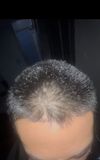
The conversation discusses a new study on topical pumpkin seed oil for hair loss in mice. Treatments mentioned include Minoxidil, finasteride, and RU58841.
The user has seen positive results after over six months using 0.05% topical finasteride, 5% minoxidil, 50mg/ml RU58841, weekly needling, and twice-weekly ketoconazole shampoo for hair loss. They express gratitude for the support from an online community and are open to questions about their treatment.
The user experienced continued hair loss and scalp itch despite using finasteride and switching to dutasteride. They sought advice on managing these issues, with suggestions including adjusting medication frequency and trying different shampoos.
The conversation discusses a hair loss treatment involving oral minoxidil, topical finasteride, and a custom topical formulation with minoxidil, cetirizine, finasteride, progesterone, and hydrocortisone. The user seeks advice on the effectiveness of these ingredients for diffuse thinning.
User discusses a promising topical Procyanidin B2 treatment for hair loss. Users share mixed experiences and mention effective treatments like finasteride, minoxidil, and LLLT.
User shared progress in treating hair loss and improving skin, using treatments like finasteride, minoxidil, RU58841, tretinoin, microneedling, and skin care regimen. Others commented on the impressive results and asked about costs and side effects.
Minoxidil, PRP, low-level light therapy, stem cell therapy, mesotherapy, Acell, and microneedling are discussed as treatments for thickening fine hairs in NW5 hair loss sufferers. A hair transplant may be necessary for significant improvement.
The conversation discusses biannual SCUBE3 injections and microneedling as treatments for hair loss. Specific treatments mentioned include Minoxidil, Finasteride, and RU58841.
A 33-year-old is using topical minoxidil, oral finasteride (1mg), a derma pen, and 0.05% tretinoin on the hairline to treat hair loss, showing progress after 2 months. They apply tretinoin in the evening with minoxidil and use a derma pen once a week at 1.5mm.
A 19-year-old is experiencing worsening hair loss and severe seborrheic dermatitis despite using finasteride for six months. Nizoral (ketoconazole) is no longer effective, and they are seeking over-the-counter solutions and advice for an upcoming dermatologist visit.
Topical minoxidil with retinoic acid is effective but causes scalp irritation, leading the user to consider switching to 2.5mg oral minoxidil. Oral minoxidil may cause body hair growth and heart-related side effects, so it's advised to use it under medical guidance.
A 19-year-old is experiencing hair loss and shedding despite using Dutasteride and topical Minoxidil for six months. They are concerned about potential infections like folliculitis and are considering stopping the treatments due to stress and hair loss from various areas, including eyebrows and eyelids.
The conversation discusses a person's 4-month hair loss treatment regimen using topical minoxidil, finasteride, ketoconazole, a dermastamp, and rosemary and peppermint oils. Progress pictures are shared to show the results.
The user mixes their own RU58841 solution and found that increasing the ethanol content improved absorption and reduced scalp itching. A study on minoxidil showed that penetration increased with higher ethanol concentrations, reaching maximum penetration at 90% ethanol.
A 22-year-old is frustrated with ongoing hair loss despite using treatments like topical minoxidil, finasteride, microneedling, oral dutasteride, and oral minoxidil. Their dermatologist suggests treating scalp inflammation with oral tretinoin and using exosomes for alopecia.
A 23-year-old experiencing severe diffuse thinning after scalp inflammation is considering finasteride as a last resort after stopping minoxidil and using anti-inflammatory medication. Users suggest that inflammation causes temporary shedding and recommend consulting a dermatologist, with some advocating for finasteride as a reliable treatment option.
The conversation is about how to effectively apply 1mL of a topical hair loss treatment, Pyrilutamide, to cover the entire scalp. One user suggests making a 2.5 mg/mL solution and using 2mL for better coverage.
A 58-year-old uses finasteride for hair loss and has tried various shampoos, finding Equate T-gel effective for controlling itching. Nizoral was previously effective but no longer works, and DermaKB hasn't been used long enough to assess its effectiveness.
Microneedling is effective for hair growth, especially when combined with finasteride and minoxidil, but concerns exist about potential long-term skin damage. Users report increased collagen and elastin deposition, but the long-term effects on the scalp remain uncertain.
The conversation is about creating a topical melatonin treatment for hair loss. Specific treatments discussed include Minoxidil, Finasteride, and RU58841.
The conversation discusses whether applying topical Dutasteride right after microneedling could be as effective as mesotherapy for hair loss treatment. The user believes it makes sense and seeks opinions on this approach.
A 27-year-old Asian male is treating hair loss with 1mg oral finasteride, topical minoxidil twice daily, and 1.5mm microneedling weekly. The discussion is about his progress with these treatments.
The user is allergic to minoxidil and experienced severe itching and redness. They are considering alternatives like finasteride, dutasteride, and dermarolling for hair loss treatment.
User tried various hair loss treatments, including natural remedies, topical and oral finasteride, RU with stemoxydine, and topical dutasteride. All treatments had side effects, and topical dutasteride thickened hair but also caused side effects.
The user is currently using alfatradiol and fluridil for hair loss and is considering adding low-dose topical finasteride but is concerned about potential side effects due to past mental health issues. They are seeking others' experiences with these treatments and their effectiveness.
The conversation discusses hair loss treatments, including scalp massage, and the importance of blocking DHT for hair loss management. The user shares blood test results, which appear normal, and seeks advice on effective tests and treatments, expressing a preference for natural methods over medication.
A user who initially had positive results with oral finasteride, topical minoxidil, and microneedling for hair loss, but experienced side effects like fog and depression. After stopping and losing progress, they restarted with topical treatments and microneedling, reporting good results and no side effects.
The user is taking 0.5mg finasteride and 0.5mg Loniten orally daily, using Eucapil twice weekly, and Minoxidil foam once daily for hair loss. They believe Eucapil effectively stops hair loss despite side effects like breast growth.
The conversation is about treatments for androgenetic alopecia, focusing on hyperresponders. Treatments include Minoxidil, finasteride, RU58841, leg training, and cold therapy.