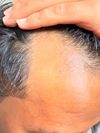
The conversation discusses hair loss treatments, specifically dutasteride, oral minoxidil, and microneedling. Users inquire about side effects, brands, and suggest using topical minoxidil.
The conversation is about a hair loss treatment routine involving dermarolling, finasteride, minoxidil, and natural oils. Suggestions include using shorter needles for better absorption of treatments and longer needles less frequently for hair follicle regeneration.
The conversation discusses the use of a derma roller versus a derma stamp for microneedling to prevent hair loss. The user has been using topical minoxidil for 2 months without results and seeks advice on needle length.
The conversation is about a user experiencing hair thinning potentially due to excessive microneedling while using finasteride and minoxidil. Many suggest reducing microneedling frequency and considering alternative treatments like dutasteride or a hair transplant.
The user mixed tretinoin with minoxidil and noticed hair regrowth after three months, despite initial dryness. Their regimen includes 0.5mg dutasteride every other day, daily topical minoxidil with 0.025% tretinoin gel, and ketoconazole shampoo twice weekly.
Some people saw improved hair growth when adding tretinoin to their topical minoxidil routine. They combined the two by applying tretinoin before minoxidil.
People are discussing if microneedling alone can improve hair loss without using treatments like minoxidil, finasteride, or RU58841. Some users report moderate success with microneedling and natural remedies, but most suggest that results are better when combined with medical treatments.
Adding creatine while using finasteride and minoxidil caused skin irritation and hair thinning. Creatine may affect DHT levels, leading to these issues.
The user discusses using essential oils like peppermint, rosemary, tea tree, and lavender to improve hair thickness and seborrheic dermatitis. They plan to add RU58841 to their routine and seek advice on using it alongside the essential oils without interference.
33 y/o male used topical fin/min and dermaroll biweekly, resulting in increased hair density and significant regrowth. He got the solution from Hims and also used a DermaPen for microneedling.
A 19-year-old's progress after 7.5 months of using topical finasteride and minoxidil, as well as 3 months of microneedling, to treat hair loss. The user has experienced positive results from the treatment and expressed gratitude for the support they have received throughout their journey.
The conversation is about hair regrowth progress using a combination of treatments: dutasteride, minoxidil, RU58841, ketoconazole, and monthly microneedling. The user reports that microneedling and topical minoxidil had the most impact on their hairline.
A user is asking if Minoboost F, a topical solution with 5% Minoxidil and 0.1% Finasteride, is effective or a scam due to the lack of online reviews. They seek opinions and reviews from others.
Microneedling alone is not effective in maintaining minoxidil results for hair growth. Combining microneedling with minoxidil and finasteride may enhance results, but microneedling by itself is not a reliable treatment.
The conversation discusses the use of microneedling as a complementary treatment for hair loss alongside oral minoxidil and dutasteride. Opinions vary on its effectiveness, with some users supporting its benefits for hair growth and others questioning its efficacy without topical minoxidil.
The conversation discusses using topical finasteride (0.25% gel) and minoxidil (5% foam) for hair loss, with users sharing experiences about application methods, microneedling, and results. Some users have switched to oral finasteride for convenience and cost-effectiveness, while others discuss the greasy nature of the topical solution.
The conversation discusses a user's two-year hair regrowth progress using finasteride, minoxidil, and microneedling. One user asks for a timeline of progress, another comments on hair length, and the original poster mentions using microneedling sporadically.
The user is using 5% topical minoxidil, a 0.5mm dermaroller, and keto shampoo for hair loss treatment, showing positive progress after two months. They plan to continue the regimen for maintenance.
A user noticed deeper facial wrinkles since starting oral minoxidil in February 2023 and is concerned about its effects on collagen production. Other factors include past accutane use, high stress, poor sleep, and COVID-19.
A 25-year-old shared progress after a year using oral finasteride, topical minoxidil, and microneedling, noting significant hair improvement despite periodic shedding. The user experienced body hair loss as a side effect but reported no other issues and plans to continue the treatment.
The conversation discusses whether a dermatologist is the right source for advice on microneedling and supplements for hair loss. It mentions using treatments like dermastamp, dermaroller, finasteride, minoxidil, ketoconazole, biotin, and switching hair spray brands after a hair transplant.
A user shared their hair loss treatment routine, which includes oral finasteride 5 times a week and topical minoxidil twice a day, and plans to add microneedling. They reported positive results, with reduced bald spots and no side effects affecting libido or physical strength.
A dermatologist stated that minoxidil does not cause skin aging, despite online claims. A study found no significant impact of minoxidil on collagen content or skin aging.
The user has been using Finasteride and Minoxidil for 7 months and started microneedling a month ago, but is experiencing increased hair shedding and is concerned about its effectiveness. They have vitamin D3 and B12 deficiencies and are seeking advice and encouragement due to a family history of baldness.
A user is considering microneedling to enhance absorption of a prescribed topical hair loss treatment containing Minoxidil, Dutasteride, and Latanoprost, while already taking oral Minoxidil and Dutasteride. They seek advice on the effectiveness and safety of combining these treatments, especially due to the cost and their desire to maximize results.
The conversation discusses hair regrowth using dissolvable microneedles loaded with rapamycin and epigallocatechin gallate nanoparticles. Specific treatments mentioned include Minoxidil, finasteride, and RU58841.
Microneedling for hair loss causes some bleeding, which is normal. Dermapen is recommended over dermaroller to prevent tissue tearing and adjust depth.
The user is using a solution of 5% minoxidil and 0.1% finasteride with micro-needling and is considering adding 1mg oral finasteride. They notice small hairs on their forehead and are questioning if these indicate potential regrowth.
The user shared progress pictures and discussed using oral and topical Minoxidil, microneedling, recently starting finasteride, multivitamins, vitamin D3, vitamin K, tretinoin, and ketoconazole for hair loss. The conversation focuses on the effectiveness of these treatments.
The user has been using topical minoxidil, finasteride, microneedling, and laser light therapy for 11 weeks to address hair thinning. They report difficulty applying the treatment due to increased hair thickness and are unsure if the results are significant.