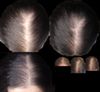
A 25-year-old male with seborrheic dermatitis and hair thinning seeks advice on the severity of his condition and treatment options. Oral finasteride and oral minoxidil are recommended as the most effective long-term treatments.
The conversation discusses hair regrowth using dissolvable microneedles loaded with rapamycin and epigallocatechin gallate nanoparticles. Specific treatments mentioned include Minoxidil, finasteride, and RU58841.
Betnovate and mometasone furoate were tried for scalp issues, but Zoryve and Selsun shampoo were recommended for relief. Itraconazole was suggested for stronger treatment if topicals fail.
Veradermics' phase 2 trial of slow-release oral minoxidil shows promising hair regrowth with minimized side effects, gaining significant attention and funding. PP405 is also noted for its potential as a side-effect-free alternative.
User is considering microneedling to enhance hair regrowth after limited response to minoxidil and better results with finasteride and ketoconazole shampoo. Recommendations include using a 1.5mm derma roller once a week, avoiding minoxidil on microneedling days, and disinfecting the roller with isopropyl alcohol.
A 35 year old male who has seen good results from Finasteride and microneedling, with minimal side effects. Replies to the post ask about the device used for microneedling, discuss the progress made, and offer encouragement.
User started DUT 3 times a week, topical minoxidil/tretinoin at night, and topical stemoxydine/alfatradiol mix with tretinoin in the morning for hair loss. They experienced significant progress and no side effects, crediting a YouTuber for encouragement.
The conversation provides advice on using derma rollers, stamps, and pens for hair loss, detailing types, usage, cleaning, depth, frequency, and caution with topicals like minoxidil. The user plans to replace a roller with a pen for better accuracy and safety, and uses a castor oil/rosemary oil mix post-needling.
A 39 year old male who has been balding since 23 and is intolerant to finasteride, using microneedling with Derminator 2 once per week and minoxidil foam twice daily in an effort to increase thickness of vellus hairs on the crown and maintain hairline.
The conversation discusses microneedling for hair loss, focusing on optimal needle depth and frequency. Users report varying practices, with some using Minoxidil after microneedling and others suggesting different depths and frequencies based on personal tolerance.
The individual has experienced a sore, stiff, and itchy scalp with hair loss for 4.5 years, and has noticed increased thinning and miniaturized hairs, especially at the temples. They have tried ketoconazole shampoo without success and are considering finasteride for treatment.
A user is seeking recommendations for a minoxidil and tretinoin topical solution, including dosage and purchase locations in the US. They are looking for effective hair loss treatments.
The user is experimenting with a zinc sulfate and B6 topical solution called "Zix" for hair loss, alongside using a zinc oxide scalp mask and low-level laser therapy (LLLT). They report minimal hair loss after three months of use and are seeking feedback from others who have tried similar treatments.
A user visited a dermatologist for hair loss concerns and was prescribed a hair lotion called "Lotion revolotion evdermia," which is meant for hair toning, hydration, and anti-aging, not regrowth. The user found the dermatologist's behavior and the prescription to be questionable.
A user's progress with treating hair loss by using finasteride (1mg MWF) and minoxidil (5% once daily), occasionally using ketoconazole gel, and dermarolling 1.5mm every two weeks; other users' responses are positive and ask for more information about the treatment regimen.
Hair loss from seborrheic dermatitis can be temporary. Treatments discussed include Minoxidil, finasteride, and RU58841, along with collagen and biotin supplements.
A gel of keratin microspheres promotes hair follicle growth, showing similar effectiveness to minoxidil in mice. The treatment activates hair growth pathways and reduces inflammation, with potential applications in drug delivery for hair-related disorders.
The user is using 5% topical minoxidil, a 0.5mm dermaroller, and keto shampoo for hair loss treatment, showing positive progress after two months. They plan to continue the regimen for maintenance.
Microneedling should be done every 1-2 weeks, with a recommended wait of at least 24 hours before applying topical minoxidil. Finasteride is planned to be used daily at 1mg.
Transplanting mice skin to humans is not feasible due to immune rejection, but some suggest genetic modification or immune suppression could make it possible. Xenograft hair transplants are discouraged.
Topical roflumilast is effective for reducing inflammation in various scalp conditions like seborrheic dermatitis, psoriasis, and eczema, but not proven to stop scarring alopecia. Alternatives like apremilast and Vtama are also discussed for their anti-inflammatory benefits.
Hair cloning and new treatments like ET-02, Veradermics (vdphl01), and wound-induced hair neogenesis show promise but are not yet widely available. Current effective treatments include minoxidil, finasteride, and dutasteride, with early intervention being crucial for better outcomes.
Quitting minoxidil can lead to significant hair loss, even in areas that were not thinning before, as hair becomes reliant on the treatment. Some users also report losing hair gains when stopping minoxidil despite taking finasteride.
PP405 is moving to late-stage trials, showing potential for hair regrowth, with 31% of male patients experiencing a 20% increase in hair density. Veradermics is developing an oral minoxidil version, and there is interest in combining treatments for better results.
The conversation discusses using RU58841 for hair loss, with OP experiencing thinning in the front area and steady hair loss. OP plans to try microneedling while avoiding finasteride and dutasteride.
Minoxidil can cause dark, puffy undereyes. Users suggest using caffeine serum, retinol moisturizer, and Remescar eye bags cream to counteract this effect.
The user shared their 6-month hair loss progress using topical minoxidil, oral minoxidil, finasteride, and microneedling. They noted thicker eyebrows and eyelashes but also increased body hair.
A user seeks a lotion for an inflamed, itchy scalp caused by DHT, asking for options that promote blood flow and contain hair vitamins like caffeine and biotin. Another user suggests using a mix of mustard oil and coconut oil.