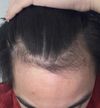
A 17-year-old is experiencing rapid hair loss from NW1.5 to NW3 in six months and feels dermatologists are unhelpful. They are using Minoxidil (Rogaine) and seeking advice on application.
A 27-year-old man with thinning hair saw improvement after stopping Rogaine and starting dermarolling with peppermint oil, experiencing less shedding and thicker hair growth. He also uses biotin caffeine shampoo, argan oil conditioner, and a mix of castor oil with peppermint oil after dermarolling.
The user is trying alternative hair loss treatments like caffeine shampoo and dermarolling before considering minoxidil or other advanced treatments, and has noticed an increase in vellus hairs and some strong terminal hairs after two months of daily caffeine shampoo use. They plan to continue the treatment and document progress.
The user had a hair transplant in December 2024 and started using topical minoxidil and finasteride in March 2025, along with dermarolling and multivitamins. They are experiencing increased hair shedding and are questioning if it's the "dread shed" phase.
Hair loss and potential treatments, primarily focusing on Finasteride and Minoxidil. Other solutions discussed include PRP, dermarolling, LLP, and scalp tension relief.
8 months post hair transplant, OP experiences asymmetrical shedding despite using finasteride and starting minoxidil. The doctor suggests it might correct itself or be due to transplant trauma, recommending a wait-and-see approach.
A 16-year-old is experiencing hair loss and is using minoxidil, finasteride, and plans to add RU58841, while considering other treatments like MK-677 and microneedling. Concerns are raised about the potential impact of these treatments on puberty and development.
A 16-year-old is considering stopping minoxidil due to minimal results in hair and eyebrow thickness and concerns about potential shedding after discontinuation. They are unsure if continued use is necessary and seek advice on how to stop without causing hair loss.
A user discusses using a hair thickening spray similar to L'Oreal Root Touch Up, noting it provides volume and covers thinning temples but may cause hair to fall out when washed. They speculate the fallen hairs might have been loose already.
The user shared progress on hair loss treatment between September and November using oral finasteride, topical minoxidil, dermarolling, a LaserComb, caffeine shampoo, Nizoral, scalp massages, and both oral and topical biotin. The conversation discusses the effectiveness of these treatments.
A 23-year-old male is experiencing large dandruff flakes causing hair loss, despite using anti-dandruff shampoo. He seeks advice on resolving the issue, noting a family history of baldness.
MCL-1 is important for hair follicle stem cell survival, but its impact on human hair regrowth is unclear. Minoxidil and finasteride are the main treatments, with doubts about new discoveries leading to effective human solutions soon.
The user mixes their own RU58841 solution and found that increasing the ethanol content improved absorption and reduced scalp itching. A study on minoxidil showed that penetration increased with higher ethanol concentrations, reaching maximum penetration at 90% ethanol.
A 30 year-old male's 8 month progress with hair loss treatments, including minoxidil, finasteride, microneedling, scalp massage, and ketoconazole. Another user mentioned the shed being significant.
Scalp inflammation may contribute to hair thinning, with treatments like ketoconazole shampoo potentially helping by reducing inflammation. Some users report that DHT blockers and other treatments like finasteride, minoxidil, and RU58841 can alleviate symptoms associated with inflammation.
Scalp tension potentially affecting hair loss, and potential treatments for male pattern baldness such as Minoxidil, Finasteride and RU58841. Evidence from a study was discussed which suggests that the cause of MPB lies within the follicle itself and is not dependent on its surrounding environment.
The user is using oral minoxidil, ghk-cu, and HGH for hair regrowth, noticing small vellus hairs on the crown. They avoid traditional DHT blockers like finasteride due to side effects, despite skepticism from others about the effectiveness of ghk-cu.
Minoxidil is discussed for its potential to decrease collagen production, with users sharing experiences about skin improvement after stopping its use. Some mention using it on their face for beard growth.
The conversation discusses hair loss treatments, specifically Breezula, Minoxidil, finasteride, and RU58841. Participants express curiosity about Breezula's safety and its steroidal nature.
The conversation discusses hair loss treatments, focusing on finasteride, minoxidil, and other options like PRP and ketoconazole. It highlights the importance of asking specific questions during a dermatology visit to determine the cause of hair loss and appropriate treatments.
A 30-year-old is seeking advice on hair loss treatment, currently using oral minoxidil, finasteride, mesotherapy, and a supplement. They are experiencing shedding and are anxious about the effectiveness of the treatment, asking if they should continue or consider other options like topicals or microneedling.
User shares a topical hair loss solution using melatonin and cetirizine to help reduce shedding and itching. Instructions provided for creating and using the mixture, with additional lifestyle tips for overall hair health.
The user experienced hair loss after switching to daily microneedling and stopping tretinoin, while continuing oral finasteride, minoxidil, and other treatments. The consensus suggests daily microneedling is excessive and harmful, recommending less frequent sessions to allow healing.
A 28-year-old male has been using topical dutasteride and minoxidil for a year without improvement, experiencing persistent hair shedding. It is suggested that the treatment might not be effective for him, and he should consider other approaches or check for underlying conditions.
A 22-year-old male experiencing diffuse thinning is using oral minoxidil and finasteride but notices his hair looks thin in sunlight. Suggestions include using hair products, considering topical minoxidil, addressing seborrheic dermatitis, and possibly trying dutasteride or a hair transplant.
A user experienced severe hair loss after stopping Accutane and is concerned about using Minoxidil due to anxiety and doubts about its effectiveness. They are seeking advice on whether the hair loss will resolve on its own and if they should expect recovery soon.
The user experienced worsening hair loss despite using finasteride and topical minoxidil for two years and is considering oral minoxidil and dutasteride. Suggestions include microneedling, stress management, and alternative treatments like topical finasteride or ketoconazole shampoo.
The user experienced significant hair thinning despite using finasteride and minoxidil, leading to concerns about whether it's a temporary shed or a more serious issue. They plan to start using RU58841 and are advised to consult a doctor to rule out other causes like autoimmune disorders.