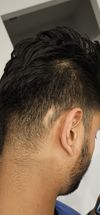
Keratin microspheres may offer additional mechanisms to combat hair loss compared to minoxidil. The process to create these microspheres is relatively simple and can be done at home with basic equipment.
The conversation humorously discusses two resilient hair strands that resist DHT, with mentions of minoxidil and finasteride as ineffective treatments. Users joke about cloning the hairs and the mystery of baldness.
Oleic acid and microneedling are being explored for hair regrowth, but results are mixed. Addressing DHT and fibrosis is crucial, with treatments like finasteride, minoxidil, and scalp massage also discussed.
A user shared their 6.5-month experience with topical finasteride (2%) and minoxidil (5%), noting initial progress followed by a significant shedding phase. Others in the conversation reassured that shedding is normal and suggested staying consistent with the treatment for potential regrowth.
A 35-year-old shared their 5-month hair regrowth progress, using 0.5mg oral finasteride daily, topical minoxidil/finasteride once daily, derma stamping 1-3 times a week, washing hair daily or every other day with peppermint soap, and using eczema lotion for scalp health. Commenters congratulated the individual on the significant improvement in their hairline.
User "hemantch" shares 5 months progress using topical Fin, Min, topical Dut, and a laser cap for hair loss. Significant regrowth was noticed after 1 month, and the treatments worked well despite being bald for 10 years.
The conversation is about a user's progress in treating diffuse hair thinning using a topical regimen including finasteride, minoxidil, ketoconazole, microneedling, saw palmetto, collagen, and vitamins, along with lifestyle changes. The user plans to switch from topical to oral finasteride for potentially better results.
A user shared their experience with a hair restoration method involving adding individual human hairs on ultra-fine strands between existing hair, allowing for natural movement and appearance without blocking the scalp. They also continue using rosemary oil and gentle massage for basic growth support.
The conversation discusses a patent filed by Shiseido for cloning Dermal Papilla (DP) cells to treat hair loss. The method involves using viral vectors to maintain the cells' growth-inducing properties, differing from Replicel's approach with Dermal Sheath Cup (DSC) cells.
After 8 months of using topical finasteride, hair miniaturization continues, raising concerns about its effectiveness. Microneedling is suggested as a possible complementary treatment.
A 23-year-old is experiencing hair that is thick at the ends but thin at the roots despite using minoxidil and finasteride for 10 months. They are concerned about whether this is normal or a sign of miniaturization and seek advice on reversing or improving the condition.
User has been using topical finasteride and minoxidil since May, previously used a spray version since January. They are seeing vellus hairs and have added weekly microneedling to their routine.
The user applied topical minoxidil and finasteride daily for 3 months and noticed progress in hair growth. Another user recommended collagen for hair growth and other benefits.
The user is unhappy with the results of a FUT hair transplant from 2021, noting uneven hair texture and persistent thinning. They are considering a FUE procedure and have been using finasteride for a year, previously used minoxidil, and currently use Toppik for concealment.
Celonius discusses hair loss and plans for a FUE Hair Transplant, but worries about how it will look when shaved in the future. Derhab21 suggests going for the transplant and mentions potential future treatments like Breezula and stem cell injections.
The conversation is about hair loss treatment progress using finasteride and GHK-CU over six months. Users discuss application methods and share experiences with GHK-CU and AHK.
HairClone aims to rejuvenate miniaturizing hair follicles through follicle banking and cell expansion, with treatments potentially available in the UK by 2022. The process involves extracting, storing, and cloning hair follicles, but full regenerative treatments will take many years to develop.
A user shared their 5-month hair regrowth progress using 5% topical minoxidil daily, microneedling weekly, and ketoconazole shampoo twice a week. Some suggest adding finasteride to maintain results, while others commend the current regimen's effectiveness.
A 50-year-old man shared his 3-month hair regrowth progress using a regimen of Nutrafol, Minoxidil/Dutasteride pills and topical solution, dermastamping, and Nizoral shampoo. He noticed significant improvement and received positive comments, despite some increased body hair growth.
PP405 cannot restore extracted hair follicles after a transplant as they are removed, not dormant. Combining verteporphin with wounding and PP405 is suggested but not confirmed effective.
The user has been using a combination of 0.3% topical finasteride, minoxidil, ketoconazole, and microneedling once a week for two months with positive results and no side effects. They apply the treatment daily using a spray and have short hair, which makes application easier.
The conversation discusses combining oral dutasteride with topical finasteride to further reduce scalp DHT levels for hair regrowth. Users debate the effectiveness and safety of this combination, with some suggesting alternatives like topical antiandrogens such as RU58841, fluridil, and alfatradiol.
Longitudinal partial follicular unit transplantation involves extracting part of the donor follicular unit, allowing the donor area to be overharvested without noticeable hair loss. The conversation questions if this method is practiced in clinics or if it's theoretical, and whether it relates to hair cloning or multiplication.
The user shared their hair regrowth journey using oral finasteride, minoxidil, biotin, and vitamins, along with microneedling. They experienced some side effects but reported significant progress and improvement in hair appearance.
The conversation discusses hair loss treatments, specifically the use of finasteride (Fin) and oral minoxidil (Oral Min), with progress shown using hair fibers like DermMatch and Toppik. The original poster plans a hair transplant and mentions side effects like reduced libido from finasteride.
The conversation is about experimenting with topical exosomes for hair loss treatment, alongside microneedling, Happy Head's gel-like topical, and Ordinary's hair serum. The user also mentions the availability of treatments like latanoprost and Redensyl.
User experienced hair regrowth and no side effects after 10 weeks on 0.25mg finasteride daily, along with biotin, collagen, micro-needling, and hair oil. They stopped minoxidil due to inconvenience and noticed initial shedding but now see more fullness.
The user "Expliced" shared their progress pictures after using finasteride, minoxidil, and microneedling for 1 year and 3 months. Another user mentioned that using a high-definition camera with flash and sharpening the photo can show new hairs appearing sooner.
Baldness is difficult to cure because current treatments like finasteride, dutasteride, and minoxidil only prevent hair shedding, and new developments are mostly ineffective. Botox shows potential in aiding skin regeneration and hair growth, but maintenance therapy with treatments like dutasteride and minoxidil may still be necessary.