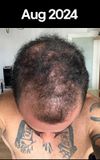
User "Chemical_Elephant_70" shares 2.5 months progress with finasteride. Some users doubt results, mentioning use of topical minoxidil and questioning hair growth cycle.
This user experienced severe hair loss, but was able to successfully treat it with finasteride over a two year period. Despite experiencing multiple shedding cycles while on the medication, Mission5896 reported that their hair continued to get thicker and stronger. Additionally, they tried both minoxidil orally and topically, but only found success with finasteride.
Hair loss discussion involves treatments like Minoxidil, Finasteride, and RU58841. Stemoxydine may be effective, but results may take at least 3 months due to hair cycle.
User "flcv" shares their 3-year experience with finasteride for hair loss, stating no side effects and no change in hair thickness despite shedding cycles. They advise fellow fin users to trust the process and not worry about shedding.
Switching from liquid to foam minoxidil led to hair loss for OP, possibly due to a second shedding cycle. OP experienced allergic reactions to propylene glycol in the liquid form, causing dandruff and itchiness, which improved after switching to foam.
A 24-year-old with hair thinning is using a regimen including dutasteride, RU58841, HGH, GHK-cu, and other compounds to protect and regrow hair. They are also incorporating a mild cutting cycle with testosterone propionate, anavar, and tirzepatide.
The conversation discusses hair loss treatments, specifically finasteride, minoxidil, ketoconazole shampoo, and microneedling, with users experiencing initial success followed by increased shedding and regression. Many users suggest patience, as hair cycles can take years, and some attribute changes to seasonal shedding.
The user has been on finasteride and minoxidil since 2020 and increased dutasteride and minoxidil doses in June 2024, but still experiences hair loss. Despite trying pyrilutamide without success, opinions vary on whether the hair loss is significant, with some suggesting it might be due to lighting, angles, or a regular shedding cycle.
A 26-year-old male has been using dutasteride for one year after previously using finasteride, along with 5% minoxidil and micro-needling, to treat hair loss. He reports no side effects and is satisfied with the progress, noting some shedding as part of the hair cycle.
The user experienced hair shedding after using finasteride and topical minoxidil since August 2024, and briefly adding oral minoxidil in early 2025. They suspect the shedding might be due to the oral minoxidil, a bad batch of finasteride, or a normal shedding cycle, and are also experiencing an itchy scalp and acne.
A user shared their positive 1-year hair regrowth results from using dutasteride after 10 years on minoxidil and 2 years on finasteride, noting stronger hair, less brain fog, and better mood. They experienced initial shedding but saw improvements, including longer hair life cycles, and plan to continue monitoring progress.
The conversation discusses the pros and cons of dutasteride for male pattern baldness, with a focus on its long half-life. The user, a physician, also mentions that switching from finasteride to dutasteride can cause temporary hair loss until dutasteride reaches effective levels or accelerates the hair cycle.
A 25-year-old who started losing hair at 16 and reached almost NW7 by 20 saw hair regrowth using a regimen including dutasteride, minoxidil, nizoral, and a dermaroller, along with supplements like biotin, zinc, and omega-3. After initial success, they experienced shedding, added more supplements and treatments, and sought advice on whether to continue; responses encouraged them to persist as shedding is often part of the hair regrowth cycle.
The user shares their 10-month progress on a hair treatment regimen including Dutasteride, RU58841, Minoxidil, biotin, Nizoral shampoo, and a derma pen. They report maintaining hair density after previous steroid use.
The user started using trenbolone and minoxidil simultaneously and experienced increased hair shedding, unsure which is causing it. Replies suggest both drugs could cause hair loss, with one advising to stop trenbolone to protect hair and another indicating minoxidil is unlikely the cause due to the timing.
PRP treatments have been effective for the user, with a new recommendation of using a high-quality plasma kit once a year. The user seeks experiences with this specific PRP approach.
Hair and skin products need 4-6 weeks to show results, and consistency is crucial for effectiveness. Track progress weekly with photos and notes, and if no changes occur after 8 weeks, consider changing products.
Scientists have successfully grown functional hair follicles in the lab, marking a significant advancement in hair regeneration research. A user shared their personal experience with hair loss treatments, including Minoxidil and Finasteride, and plans to share a detailed protocol for hair restoration.
The user has been using finasteride 1mg and minoxidil 5% spray for 19 months but continues to experience hair shedding and has not seen improvement with ketoconazole or tretinoin. They are considering a hair transplant in the future while maintaining current treatments.
Switching from oral to topical dutasteride can cause shedding due to changes in DHT levels, and it's recommended to overlap both treatments to minimize this effect. Topical dutasteride may cause scalp irritation, and the user is considering dutasteride mesotherapy as an alternative.
Significant hair regrowth was achieved using a topical combination of 0.3% finasteride and 6% minoxidil, with weekly dermastamping and ketoconazole shampoo, without side effects. Others suggested additional treatments like red light therapy and PRP.
MCL-1 protein may help maintain hair follicles in the growth phase and prevent miniaturization. There is interest in experimental treatments like exosomes, peptides, or stem cell serums to upregulate MCL-1 for hair loss, especially for those not using minoxidil or finasteride.
High frequency ultrasonography and HR-MRI can help identify hair shedding causes like inflammation and fibrosis. The conversation discusses the potential of using these technologies to evaluate treatments like Verteporfin for hair regeneration.
Using topical Minoxidil, Finasteride, and Tretinoin, along with low-dose Accutane, may enhance hair growth. Tretinoin is believed to improve Minoxidil absorption.
A user on finasteride added dutasteride due to severe shedding and scalp issues, but didn't see reduced shedding. A dermatologist said finasteride doesn't reduce shedding but thickens hair, and another person confirmed shedding can continue but hair should improve over time.
The user has been using 5% minoxidil with 0.1% finasteride for 8 months with great results but noticed increased hair loss in winter. They also found vitamin deficiencies and improved their diet and exercise but are still experiencing hair loss.
The user has been using oral finasteride for over a year and recently added GHK-CU for two months, seeing progress but seeking further improvement, especially on the hairline. They discuss sourcing GHK-CU, its effects, and the importance of third-party testing, while considering additional treatments like dutasteride and hair transplants for better results.
The user resumed taking 5mg oral minoxidil and 0.5mg dutasteride daily, with vitamins, and noticed hair regrowth. They switched from finasteride to dutasteride due to side effects and prefer oral minoxidil over topical for convenience and effectiveness.
Creatine may increase DHT levels, potentially causing hair loss in some people, though experiences vary. Treatments like finasteride or minoxidil are suggested to manage potential hair loss.