KX826 shows promise as a hair loss treatment with a 10% increase in hair count, but concerns about Kintor's marketing practices and the systemic effects of treatments like GT20029 and RU58841 remain. Users express skepticism and hope, with some preferring traditional treatments like finasteride and minoxidil.
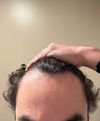
The user reported 11 months of hair loss treatment progress, using finasteride, minoxidil, and later dutasteride. They observed hair thickening and a stop in shedding around January 2024.
This post and conversation are about the effects of Minoxidil on renal electrolytes transport in the Loop of Henle. The replies show a lack of interest and a brief summary stating that rectal Minoxidil electrolytes are bad.
The conversation discusses the delay in bringing FAK inhibitors and Stanford's hydrogel to market for hair transplants, with a preference for FAK inhibitors over Verteporfin due to their superior potential in preventing scarring. The user expresses frustration over the slow progress and hopes for faster development by companies like FAKnostics.
New hair loss treatments include Breezula, PP405, ET-02, KX-826, GT20029, VDPHL01, and CosmeRNA, with some showing promise in reactivating stem cells and reversing greying. Breezula and VDPHL01 are highlighted as potential add-ons or alternatives to current treatments like finasteride and minoxidil.
A user mixed a pyrilutamide solution and noticed undissolved powder at the bottom, questioning if this is normal and how long to wait before applying it. They wished others good luck with their treatments.
The conversation is about making a 20mg/ml RU58841 solution for hair loss treatment using ethanol and propylene glycol. The user receives advice on calculating the correct amount of RU58841 powder needed.
The conversation discusses the conflicting information about Zinc's effect on DHT and its role in hair loss. It mentions that Zinc can act as a 5AR inhibitor at high doses but may increase DHT if taken to correct a deficiency, and highlights the importance of nutritional balance for hair health.
A trans woman is experiencing hair loss and is considering treatments like cyproterone, dutasteride, and oral minoxidil. She is concerned about potential hair growth on her face, chest, or legs due to minoxidil.
Ell-Cranell and Eucapil are discussed as hair loss treatments, with Ell-Cranell being a weak estrogen and DHT inhibitor that may reduce hair loss without systemic side effects. Alfatradiol is the active ingredient in these products.
Hair loss treatments discussed include Minoxidil, Finasteride, and RU58841. Pyrilutamide Phase 2 results are expected in June 2022, with hopes for a better alternative to current treatments.
The conversation discusses a hair loss treatment regimen involving minoxidil, finasteride, RU58841, JXL069, and nizoral shampoo. The user reports seeing new black dots in areas where hair hasn't grown in years, suggesting potential regrowth.
After 11 years on Finasteride, a user's hair is thinning again, suggesting hair may become more sensitive to DHT with age. They plan to introduce Dutasteride once a week, as they cannot tolerate Minoxidil.
User taking 1mg finasteride daily for 2 years, wants to block more scalp DHT. Seeks reference for additional topical DHT blockers like alfatradiol and fluridil.
A 20-year-old is experiencing hair thinning and is considering Clascoterone and Minoxidil as treatments, avoiding finasteride due to concerns about fertility and hormones. A suggestion was made to use Clascoterone for local DHT targeting and combine it with Minoxidil for maintenance and regrowth while avoiding systemic side effects.
The conversation discusses a hair loss treatment regimen including oral dutasteride, oral minoxidil, tadalafil, and the recent addition of RU58841. The user shares experiences with these treatments, noting significant hair regrowth and stabilization, and discusses the cost and preparation of RU58841.
Mallia Aesthetics has developed MAL-838, a hormone-free product derived from sCD83, which stimulates hair growth without disrupting the skin microbiome. sCD83 promotes hair growth by activating hair follicles and preventing cell death, offering a localized treatment without systemic side effects.
Pyrilutamide, a potential hair loss treatment that has been tested in Phase 2 trials and may be available for purchase through a group buy in June. It is purported to have similar effects on hair growth as Dutasteride.
Hair loss discussion includes treatments like Minoxidil, Finasteride, and RU58841. Eucapil (fluridil) is approved as a cosmetic hair-care agent in Europe, but users question the level of testing required for approval.
RepliCel has purchased Trichoscience, and they have a video about hair multiplication. The conversation also mentions treatments like Minoxidil, finasteride, and RU58841.
The conversation discusses updates on hair loss treatments, specifically GT20029, PP405, and a rumored injectable peptide from UT. GT20029 is seen as a promising treatment expected within 5-7 years.
The user shared impressive hair regrowth results after 11 months using topical finasteride and minoxidil from HIMS. Many users congratulated the progress and inquired about the application method, brand, and potential side effects.
The post discusses a hair loss treatment regimen using saw palmetto, pumpkin seed oil extract, EGCG (green tea) extract, grape seed oil extract, rosemary oil extract, and Zix. The user plans to use these DHT-blockers and 5AR inhibitors for six months and report the results.
The conversation is about receiving a shipment of Koshine, also known as Kintor, which is an anti-androgen treatment for hair loss. The user is eager to try the KX-826 product and observe its effects and any side effects.
A 26-year-old man shared his positive results after 10 months of treating male pattern baldness using a regimen that includes Estradiol Enanthate, DHPA, Bicalutamide, Dutasteride, oral and topical Minoxidil, and a dermaroller. He experienced mild gynecomastia and reduced body hair as side effects but was satisfied with the outcome.
A user took 1.5 mg Finasteride and topical Minoxidil for 11 months, resulting in significant changes in blood values but no noticeable hair improvement. They experienced side effects like mood swings and increased visceral fat, leading them to stop Finasteride.
Potential success with the hair loss treatment Pyrilutamide, and possible group buying opportunities for it along with other treatments such as Finasteride and Minoxidil.
PP405 is discussed as a potential hair loss treatment, with doubts about its effectiveness and availability. Users mention using finasteride and minoxidil, and express concerns about PP405's cost and market release.
The user started a consistent hair loss treatment routine in January, using finasteride, minoxidil, red light therapy, micro-needling, vitamins, and specific shampoos. They noticed potential progress after 11 weeks and plan to update in a few months.