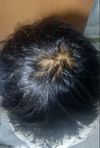
PP405 is a potential hair loss treatment undergoing trials, with discussions on its effectiveness and comparison to existing treatments like finasteride and minoxidil. There is skepticism about its status as a cure, with hopes for future advancements in genetic treatments like CRISPR.
The user experienced hair thinning from chromium and alpha lipoic acid supplements, which stopped after discontinuing them. Someone mentioned this could be telogen effluvium, a temporary condition.
CRISPR treatments for blood disorders have been approved, leading to discussions about its potential for treating hair loss (AGA). A study showed that editing a gene related to DHT sensitivity could lead to hair regrowth, suggesting CRISPR may eventually be used for AGA, but it's expected to be expensive and not soon available.
The user saw significant hair regrowth using Minoxidil once nightly and Ketoconazole shampoo three times a week, and has started using Finasteride to maintain progress. They are pleased with the results and encourage others to continue treatment.
The user is concerned about the toxicity of a homemade topical solution of minoxidil and finasteride to their new kitten and is considering replacing minoxidil with stemoxydine. Other users suggest using oral treatments, keeping the solution away from the cat, and ensuring proper hygiene.
Use ketoconazole shampoo 1-2 times a week; daily use can cause dryness. Some users find daily use effective, but most recommend less frequent use with conditioner.
A person is experimenting with microneedling on one temple while using Minoxidil to address hair loss. They plan to needle weekly and apply Minoxidil twice daily, avoiding application around needling sessions.
KX-826 Max combines KX-826, Kopyrrol, and Kopexil as a potential alternative to minoxidil and finasteride for hair loss, but users express skepticism about its effectiveness and high cost. Some users believe traditional treatments like minoxidil, finasteride, and others are more reliable.
A user's 2.5 year hair loss progress with Minoxidil, dermarolling, and Nizoral treatments, as well as taking biotin and a multivitamin supplement, with the intention of trying DIY topical finasteride in the future.
The user has been using a topical solution of minoxidil and finasteride for one month, experiencing some hair shedding. They also use a multivitamin, derma rolling, and a shampoo with ketoconazole and salicylic acid, seeking advice on additional treatments.
The user increased finasteride to 1mg daily, stopped using ketoconazole and pyrithione zinc shampoos, and started using regular pH balanced shampoo with tea tree oil, rosemary/peppermint oil, and microneedling. They are now seeing new hair regrowth at the hairline and temples.
Korea launched its first OTC oral hair loss drug, dexpanthenol B5. Users discuss its anti-oxidative and anti-inflammatory effects but note a lack of efficacy studies.
With some minox
This conversation is about a user, Jmilei, who has been using the "big three" hair loss treatments (Finasteride, Minoxidil, and Ketoconazole) for five years. After taking a two year break from treatment, they have recently restarted their regime and noticed results in the fourth month.
User is using a homemade topical treatment with .015% finasteride, 5% minoxidil, and microneedling at .75mm depth. They also use 2% ketoconazole shampoo, various oils, and are considering increasing finasteride concentration due to mixed results.
The conversation discusses using Stemoxydine, a hair growth stimulant considered weaker than Minoxidil, and questions whether applying it twice daily could improve results similar to twice-daily Minoxidil applications.
The user has been using topical minoxidil 6% and finasteride 0.05% once daily, along with microneedling, vitamins, and nizoral shampoo. They recently increased the topical treatments to twice daily for faster results, experiencing only initial shedding.
The conversation discusses the idea that ejaculation and oxytocin might cause hair loss. It mentions treatments like Minoxidil, finasteride, and RU58841.
The conversation is about the anticipation and uncertainty regarding the release of GT20029 Phase 2 results for hair loss treatment. Users express hope for its effectiveness and minimal side effects compared to other treatments like Pyri and HMI115.
Finasteride is helping regrow hair in previously thinning areas, and the user plans to add minoxidil to enhance results. The user is considering increasing the finasteride dose to 1mg daily for better outcomes.
RU58841 is preferred over finasteride for blocking DHT on the scalp, especially for those with aggressive MPB. Creatine is associated with increased hair shedding, even when using RU58841.
Minoxidil can cause itching, pimples, and shedding, and starting spironolactone or finasteride may also lead to shedding. Topical CBD oil with MCT is suggested to reduce inflammation, and overlapping shedding might occur but doesn't necessarily increase each other's effects.
Kintor changed their KX-826 pictures on Amazon after backlash over fake images. Users are skeptical about the product's effectiveness and trustworthiness, with some preferring finasteride instead.
A 41-year-old man experienced significant hair regrowth using topical finasteride (0.025%), minoxidil, microneedling every two weeks, and occasional Nizoral 2% shampoo. He advises against using creatine due to personal experience with increased hair shedding.
The conversation is about finding a conditioner suitable for thinning hair, with the original poster currently alternating between a caffeine shampoo and Nizoral every two days but not using any conditioner.
Dr. Tsuji's stem cell hair multiplication procedure may offer a future solution for hair loss, but it is initially expected to be very expensive, with prices potentially decreasing over time. In the meantime, users discuss using treatments like finasteride, despite side effects, to manage hair loss.
The conversation discusses the progress of Clascoterone (Breezula) for hair loss treatment, noting that COVID-19 delayed female trials by three months but Phase III trials for males are proceeding with a Special Protocol Assessment filed with the FDA. Users express hope for Breezula as an alternative to existing treatments like finasteride and minoxidil, despite concerns about its potential high cost.
The conversation discusses a hair loss treatment formulation containing cyclosporin, minoxidil, and tacrolimus, and mentions ongoing research on hair color reversal. The treatment showed high efficacy in restoring hair color in trials with 40 to 50 people.